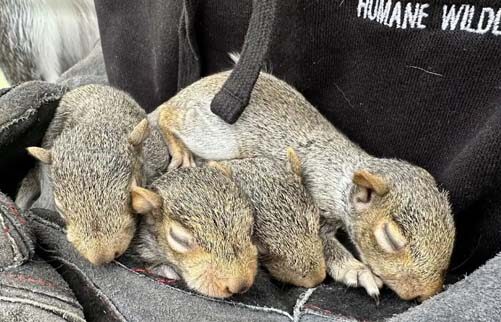
Wildlife problems often start during summer vacations because an empty home gives animals a quiet place to move in and settle down. Hot attic spaces push animals toward cooler areas of the house, while an empty home removes the noise that would normally keep them away. This mix of things makes vacation time one of the most common seasons for new wildlife problems to start.
A home that sits empty for a week or two might seem harmless. But to wildlife, it can look like the perfect new home. No footsteps, no doors slamming, and no daily noise means animals can move in, build a nest, and raise their young without ever being bothered. By the time you get back from your trip, a small problem may already have grown into a much bigger one.
This blog is for any homeowner planning a summer trip or wondering why wildlife problems seem to show up right after a vacation. You’ll learn what makes summer such a common time for this to happen, what specific things invite animals in, and how Skedaddle Humane Wildlife Control in Windsor helps homeowners protect their property before and after they travel.
Why Do Wildlife Problems Get Worse While Homeowners Are Away?
Wildlife problems often get worse while homeowners are away because the lack of activity creates a calm, safe space that animals like. Without people coming and going, animals feel much more comfortable settling into a space and staying there.
Many animals naturally stay cautious around regular human activity. This usually keeps them from getting too comfortable near a home. Once that activity stops, even for a short trip, animals may feel brave enough to explore further inside or start building a nest. This change can happen fast, sometimes within just a few days of a home being empty.
This is part of why problems that started small can feel much bigger by the time homeowners return. A short stretch of time without any disruption is often all it takes for animals to settle in and start raising their young.
Reasons Summer Vacations Lead to Wildlife Problems
Several specific things come together during summer trips to create the perfect setup for wildlife to move in. Looking at each one helps explain why this season causes so many surprise problems.
Hot Attic Temperatures
Summer heat changes how animals act, especially when it comes to where they choose to spend their time. This change plays a bigger role in wildlife problems than most homeowners realize.
- Attics Become Too Hot to Handle: As summer heat rises, attics can become extremely hot, sometimes hotter than the air outside. This intense heat makes the space uncomfortable for animals that may have been living there quietly for some time. The rising heat pushes them to search for cooler air somewhere else in the home. This change often leads animals closer to living spaces than they would normally go.
- Bats and Squirrels Seek Relief: Animals like bats and squirrels feel attic heat the most, since they need cooler spaces to stay comfortable. When their usual spot gets too hot, they may move toward vents, walls, or gaps that lead into cooler parts of the home. This search for relief can sometimes lead them into living spaces by accident. This is one of the more surprising ways summer heat creates new problems for homeowners.
- Falling into Living Spaces: In some cases, animals trying to escape attic heat end up falling into ceilings or wall spaces inside living areas. This can happen when weak insulation or damaged materials give way under their weight. This kind of event often causes sudden, loud disruption inside a home. It also tends to scare homeowners much more than quiet attic noise would.
- Heat Increases Overall Activity: Hot attic temperatures don’t just push animals toward cooler spaces. They also increase how much animals move around and explore. Animals searching for relief tend to move more than usual, which raises the chances of them spreading into new areas of a home. This added movement can make a problem that was once hidden suddenly very obvious. This is part of why summer heat plays such a direct role in new wildlife activity.
Undisturbed Nests
A quiet, empty home offers something animals rarely get: complete privacy. This privacy plays a big role in why nests form so easily during vacation times. Several specific reasons explain why an empty home becomes such an inviting space for raising young.
- A Calm, Vibration-Free Space: Empty homes give a calm, still environment that’s perfect for animals like raccoons and bats looking to build a nursery. Without footsteps, slamming doors, or daily movement, these spaces feel much steadier than a home with regular activity. This stillness gives animals the confidence to settle in instead of staying cautious. A calm space like this is hard to find anywhere else close to a home.
- Safety Without Daily Disruption: Without the usual sounds of daily life, these spaces feel much safer for raising young than they would if people were always coming and going. Young animals are very fragile in their first few weeks, so a quiet, steady space matters a lot. This sense of safety lets animals settle in without the usual hesitation they might otherwise feel. Less disruption gives mothers more confidence to stay in one spot for a long time.
- A Nest that Grows Before Anyone Notices: This undisturbed setting also means a nest can grow more established before anyone notices it’s there. Without regular activity to interrupt things, animals can settle in and grow their presence over several days or weeks. This slow growth often happens quietly, with few clear signs at first. By the time small clues show up, the nest may already be more developed than expected.
- A Bigger Situation Upon Return: By the time homeowners return from a trip, a nest that started small may already have several young animals inside it. This makes the situation more involved to solve the right way. What could have been a simple, early fix often turns into a more complex case. This is part of why timing matters so much when dealing with wildlife activity. A nest left alone for too long usually needs a more careful, thorough approach to handle safely.
Exploring Juveniles
Summer doesn’t just bring new nests. It also brings more movement from young animals as they grow. This added activity plays its own part in why summer vacations often line up with new wildlife sightings.
Summer is peak season for young animals like squirrels, raccoons, and skunks to become more mobile and curious about their surroundings. As these young animals grow stronger and more confident, they often start exploring areas near their den, including entry points leading into a home. This curiosity can leave behind clear signs of activity, even if the animals themselves are never seen directly.
This pattern means that even homes without a current problem before a vacation may show new signs of activity by the time the trip ends. More exploring from young animals adds another reason why summer creates such a noticeable jump in new wildlife activity around homes.
Easy Access to Food
Vacations often change daily routines in ways that accidentally create easy food sources for wildlife. This change can matter just as much as an empty, quiet home.
- Garbage Bins Left Unattended: Garbage bins that aren’t brought in or properly secured during a trip can become an easy target for animals looking for food. Without regular pickup being followed closely, bins may sit out longer than usual. This extra time gives animals more chance to investigate. An unsecured bin can quickly become a regular stop for wildlife passing through the area.
- Compost Piles Left Unchecked: Compost piles that go unattended during a trip can build up smells that pull animals in from far away. Without regular upkeep, these piles become more appealing and easier to reach than they normally would be. This added pull can bring animals much closer to a home than expected. A compost pile left alone for even a week can make a big difference.
- Outdoor Pet Food Forgotten: Pet food left outside, even for a short time, can act like a direct invitation for wildlife looking for an easy meal. This is even more true if a pet sitter doesn’t know how important it is to bring food inside. A steady food source like this can quickly turn into part of an animal’s normal routine. This routine can keep going even after homeowners return, since the pattern is already set.
- A Buffet Without Interruption: Together, these food sources create what feels like an open buffet without the usual breaks of daily life. Animals that find steady, easy food are more likely to stick around and explore further. This added comfort can lead straight to nesting behaviour near the same spot. This link between food access and nesting is part of why summer vacations create such a noticeable rise in activity.
Wildlife Removal and Prevention With Skedaddle
Our team at Skedaddle understands how fast a quiet vacation period can turn into a wildlife problem. We start every case with a full inspection to figure out exactly what’s happening and how far the situation has gone.
Once we’ve found the issue, we use one-way doors that let animals leave a space on their own while stopping them from coming back inside. This approach handles the situation in a humane way, without using harsh chemicals or methods that could cause extra stress.
After the space is clear, we seal every entry point using strong materials built to hold up against weather and determined animals. This last step is what actually stops the same problem from happening again during a future trip.
Summer Wildlife Challenges in Windsor
Windsor’s warm summers and mix of older and newer neighbourhoods create great conditions for wildlife activity to rise during vacation season. Many homes near green spaces or the riverfront see more visits from raccoons and skunks looking for shelter and food. Older homes especially tend to have worn rooflines and foundations that make it easier for animals to find their way inside.
The area’s hot summer weather adds another layer to this pattern, since rising attic heat pushes animals toward cooler spots right as many homeowners leave for longer trips. This mix of heat and less activity creates a clear seasonal jump in wildlife-related calls across the city.
Because of these local factors, our team adjusts every inspection based on the specific structure, age, and surroundings of a property. This local knowledge helps us spot weak points that are common across Windsor’s different neighbourhoods.
Frequently Asked Questions
How quickly can wildlife move into a home during a short vacation?
Wildlife can start checking out or settling into a weak spot within just a few days of less activity. A week-long vacation is often more than enough time for a new issue to start growing. Animals are quick to notice when a space becomes quiet and still. This is part of why even short trips can lead to surprise activity by the time you return.
Does leaving lights or sounds on at home help prevent wildlife activity?
While this can give some small benefit, it isn't a solid solution on its own. Animals can quickly get used to repeated sounds or lights that don't change or move. Sealed entry points and a full inspection offer much stronger protection. Relying on lights or sound alone often gives a false sense of safety.
Can a wildlife problem start even if a home has never had one before?
Yes, summer conditions alone can create new weak spots, even in homes with no past history of wildlife activity. Heat, food access, and more animal movement all play a part no matter what happened before. A home that's been problem-free for years can still become an easy target during the right conditions. This is why regular checks matter, even without a history of past issues.
Should I check for signs of wildlife right after returning from vacation?
Yes, checking for new sounds, smells, or visible entry points soon after returning can help catch a growing issue early. Small clues like scratching, droppings, or a faint smell often show up before a problem becomes obvious. Catching it early often makes the situation easier and faster to fix. Waiting too long can give a small issue more time to grow.
Is professional help needed even if I haven't seen an animal directly?
Yes, signs like noise, droppings, or damaged entry points can point to activity even without seeing an animal directly. Animals are often more active at night or in hidden spots, which makes direct sightings less common. A professional inspection can confirm what's happening and fix it properly. Relying on sightings alone can miss a problem that's already underway.
Ready to Protect Your Home Before Your Next Trip?
Summer vacations create the perfect setup for wildlife to move in unnoticed, from rising attic heat to quiet, undisturbed nesting spots. A short trip away can be more than enough time for a new problem to take hold. What feels like a relaxing break for you can feel like an open invitation for animals looking for a safe place to settle.
This is why checking your property before and after a trip matters so much. A quiet home with easy access to food or shelter can attract attention faster than most people expect, especially during the warmer summer months.
At Skedaddle Humane Wildlife Control in Windsor, we thoroughly inspect your property, handle any current activity in a humane way, and seal entry points so the problem doesn’t return after your next trip. We take care of every step, from the first inspection to the final seal. This way, you can travel without worrying about what might be waiting when you get back.
Request an estimate today and let our team help protect your home while you’re away.

 Loading...