





London is known for its beautiful parks, mature neighbourhoods, and thriving urban wildlife populations. While sharing the city with wildlife is a natural part of life, problems can arise when animals begin using homes, businesses, sheds, attics, and other structures for shelter. From squirrels in roof spaces to raccoons raising young in attics, property owners throughout London frequently encounter wildlife-related challenges that require professional attention.
The city’s mix of urban development, green spaces, and waterways creates ideal conditions for many species to thrive. As wildlife populations adapt to living alongside people, they often seek out warm, secure spaces within buildings, particularly during breeding seasons and periods of extreme weather.
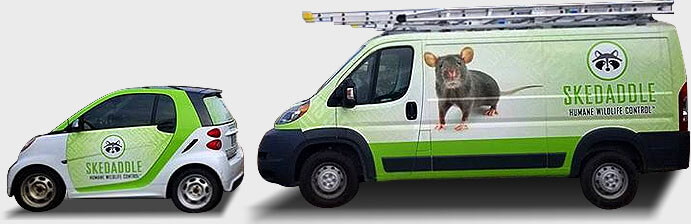
At Skedaddle Humane Wildlife Control, we provide professional wildlife removal and exclusion services throughout London and surrounding communities. Our approach focuses on protecting both people and wildlife through humane solutions that address the root cause of wildlife conflicts while helping prevent future intrusions.
Humane Wildlife Removal Across London
Skedaddle Humane Wildlife Control provides professional wildlife removal and exclusion services throughout London, Ontario. Our team humanely removes raccoons, squirrels, bats, birds, mice, rats, and skunks from residential and commercial properties while identifying entry points, installing preventative exclusion measures, and helping property owners avoid future wildlife problems.

Common Wildlife Challenges Facing London Property Owners
Wildlife encounters can occur in every season, especially in neighbourhoods located near parks, ravines, wooded areas, and waterways. Common issues include:
- Bats: Roosting in attics, soffits, wall cavities, and roof spaces.
- Raccoons: Entering attics through damaged roofing, vents, and soffits to raise young.
- Birds: Nesting inside vents, chimneys, and roof openings.
- Mice: Entering through small gaps around foundations, utilities, and doors.
- Rats: Establishing nests in basements, crawl spaces, garages, and wall voids.
- Squirrels: Chewing entry points into roofs and occupying attics.
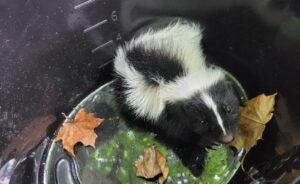
- Skunks: Denning beneath decks, porches, sheds, and other structures.
Understanding Seasonal Wildlife Activity in London
London’s urban landscape is a vibrant ecosystem teeming with wildlife. From foxes darting across suburban gardens to birds nesting in city parks, the presence of these animals changes with the seasons. Understanding these natural cycles is key to coexisting peacefully and knowing when you might be more likely to encounter certain species.
London Summer Wildlife Prevention for Busy Homes and Growing Neighbourhoods
Summer in London brings warm weather, active neighbourhoods and more wildlife movement around homes, garages, sheds and rooflines. As raccoons, squirrels, bats, birds, skunks, mice and rats look for food, water and shelter, small exterior openings can quickly turn into bigger wildlife concerns. Homeowners may notice scratching in attic spaces, droppings near entry points, damaged vents, chewed materials or animals travelling along fences and roof edges. Mature trees, older homes and properties near parks or green spaces can be especially attractive during the summer months. The best protection starts with identifying gaps before animals move in. Skedaddle’s humane wildlife control in London focuses on thorough inspections, safe removal, cleanup and long-term prevention. By sealing vulnerable areas, securing vents, screening entry points and removing attractants, homeowners can help protect their property while keeping wildlife where it belongs: outside and away from living spaces.
Fall: Preparing for Colder Weather
During autumn, wildlife becomes increasingly focused on finding reliable shelter for the coming winter. Animals may inspect roofs, vents, chimneys, and foundations in search of protected spaces that can provide long-term refuge from colder temperatures.
Winter: Seeking Warm Shelter
As temperatures drop, many wildlife species look for protected areas that provide warmth and safety. Attics, wall cavities, crawl spaces, and garages often become attractive shelter options during the coldest months of the year.
Spring: Baby Season Begins
Spring marks the start of breeding and nesting activity for many species. Raccoons, squirrels, birds, and skunks often seek secure denning locations where they can safely raise their young, leading to increased activity around residential properties.
Why London Homeowners Choose Skedaddle
For more than three decades, Skedaddle has helped property owners resolve wildlife conflicts through humane, effective, and long-lasting solutions. Our approach goes beyond simply removing animals from a structure. We focus on understanding how wildlife gained access and implementing preventative measures designed to keep them from returning.
Our trained technicians are experienced in handling a wide variety of wildlife species commonly found throughout London. We use species-specific techniques that prioritize animal welfare while protecting the integrity of the property. Every situation is carefully assessed to determine the safest and most effective course of action.
What truly sets Skedaddle apart is our commitment to exclusion and prevention. Wildlife often returns to properties where vulnerabilities remain unaddressed. By identifying entry points and installing durable exclusion materials, we help property owners reduce the likelihood of future intrusions.
Our team also educates homeowners about wildlife behaviour, seasonal activity patterns, and potential risk factors around their property. This combination of expertise, humane practices, and preventative solutions has made Skedaddle a trusted name in wildlife control across Canada.
Our Humane Wildlife Removal Process
Every wildlife situation is unique, which is why our process begins with a thorough property assessment. During this inspection, our technicians identify the species involved, locate entry points, evaluate activity levels, and determine the most effective removal strategy.
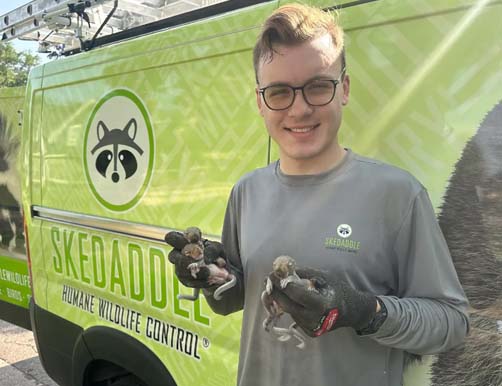
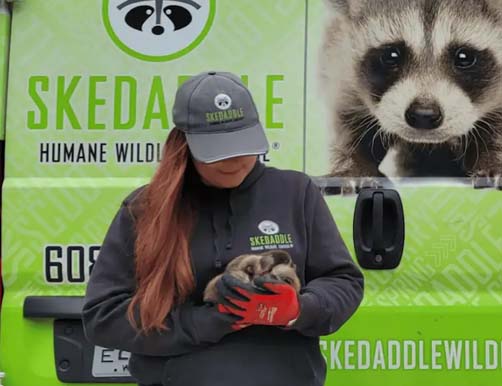
Once the assessment is complete, we implement humane removal techniques tailored to the specific animal and situation. Special care is taken during breeding seasons to ensure dependent young are safely reunited with their mothers whenever possible.
After wildlife has been removed, attention turns to exclusion and prevention. Entry points are secured using professional-grade materials designed to withstand future wildlife pressure. Vulnerable areas around the property are reinforced to help prevent re-entry.
Finally, we provide recommendations that can help reduce future wildlife attraction around the property. By combining humane removal with comprehensive exclusion measures, our process delivers a long-term solution rather than a temporary fix.
Potential Risks of Wildlife Living Inside Structures
Wildlife activity within a home or building can create several concerns for property owners, including:
- Property Damage: Chewing, scratching, nesting, and digging can damage roofing materials, insulation, soffits, vents, and structural components.
- Electrical Hazards: Rodents and squirrels may chew wiring, increasing the risk of electrical failures.
- Contamination Concerns: Droppings, urine, nesting materials, and food debris can affect indoor environments.
- Ventilation Issues: Bird nests and other obstructions can interfere with proper airflow through vents and exhaust systems.
- Noise Disturbances: Wildlife movement inside walls, ceilings, and attics can disrupt daily life and sleep.
- Repeated Intrusions: Animals often return to properties where access points remain open.
- Structural Deterioration: Ongoing wildlife activity may contribute to moisture issues and material degradation over time.
Addressing wildlife activity early can help minimize damage and reduce the complexity of the situation. Professional inspections can identify concerns before they develop into larger problems.

Keep Wildlife Outside Where They Belong
Wildlife is an important part of London’s ecosystem, but homes and businesses are not ideal places for animals to live and raise their young. Taking a proactive approach to wildlife prevention can help reduce the likelihood of future intrusions while protecting both your property and local wildlife populations.
If you suspect wildlife activity in your home or commercial property, Skedaddle Humane Wildlife Control provides professional, humane solutions designed to remove animals safely and prevent them from returning. Our experienced team helps London property owners protect their properties with long-term wildlife exclusion strategies that work.
London Insights
Think Your Home Is Secure? Hidden Gaps Could Be Letting Squirrels Into Your Attic
How Common Is It For Raccoons To Get Into A Chimney?