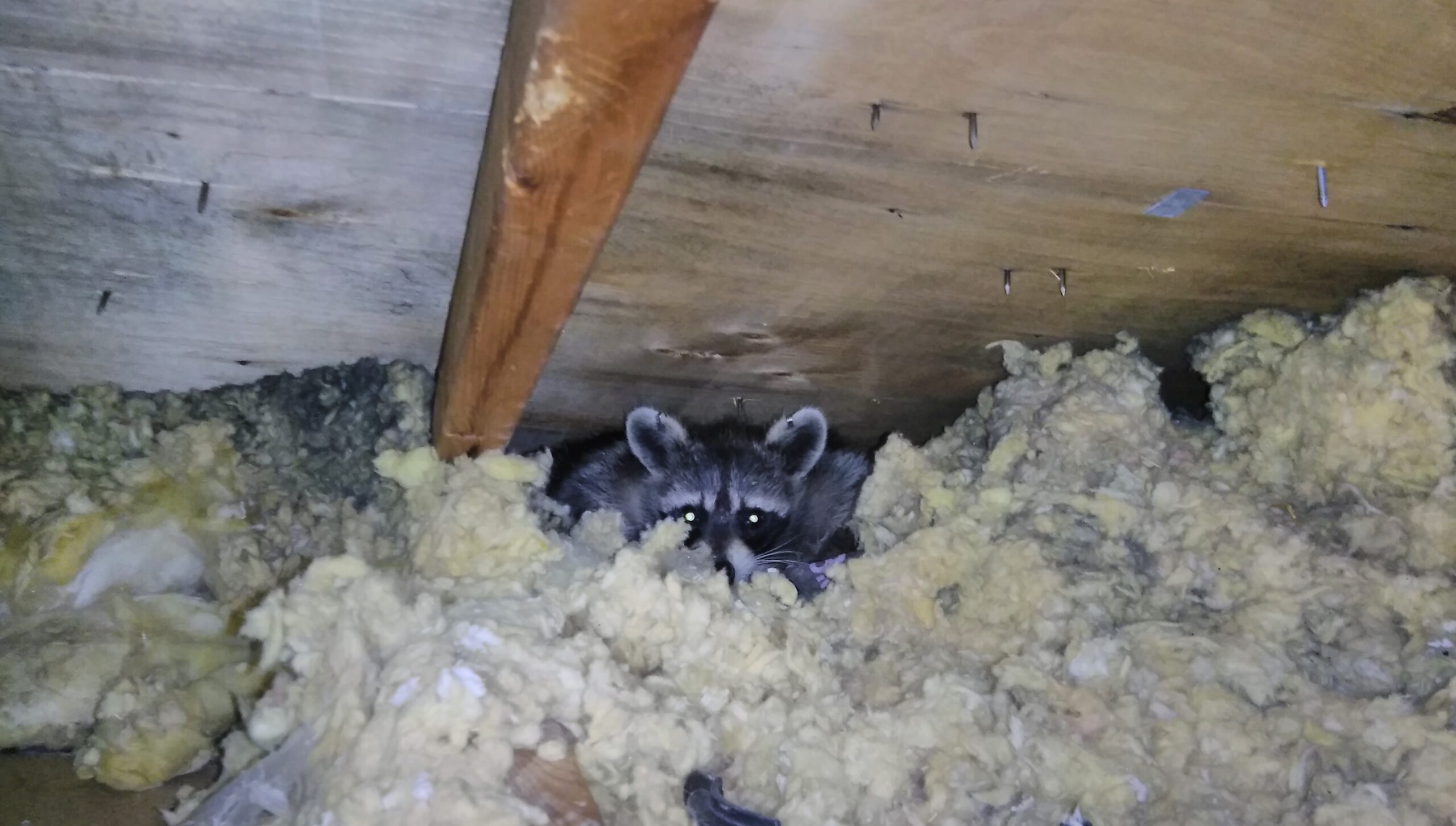
Wildlife in attics during freeze events is one of the most common issues Hamilton homeowners face each winter. As temperatures drop below freezing, animals such as squirrels, raccoons, and birds instinctively seek warmth and protection from the harsh elements. Attics and chimneys provide ideal shelter—quiet, insulated, and safe from predators. For many species, these spaces mimic natural dens or hollow trees, making them the perfect refuge when snow and ice cover the landscape.
Understanding why wildlife in attics is such a widespread problem helps explain the sudden increase in activity homeowners notice during cold snaps. Once inside, animals can damage insulation, chew wires, block vents, and contaminate spaces with droppings. At Skedaddle, we take a humane approach to resolving these situations—safely removing animals, sealing entry points, and reinforcing vulnerable areas to prevent re-entry. By acting early and humanely, you can protect both your property and the wildlife that share our community, ensuring warmth and safety for all through the coldest months.
Why Do Animals Seek Shelter in Attics and Chimneys During a Cold Snap?
Hamilton’s weather is notorious for its frigid winter days. When deep freeze temperatures hit, wildlife must make quick decisions for survival. The need for warmth, safety, and food drives their search for shelter. Attics and chimneys can mimic the type of cozy, protected spaces animals traditionally find in hollow trees or underground dens—but with even more stable temperatures.
Several key factors drive deep freeze animal behaviour:
- Attics and chimneys provide insulation against the cold, maintaining higher temperatures than the outdoors.
- They shield animals from harsh winds, snow, and ice storms.
- These spaces are typically undisturbed by humans, offering safety from predators.
- Resting in these areas conserves energy and helps animals avoid starvation during the leanest winter months.
- Easy access via damaged roofs, unsealed vents, or uncapped chimneys makes our homes attractive to wildlife.
Any prolonged freeze increases the urgency for animals to find accessible, sheltered environments. For property owners, this creates a higher risk of unexpected guests overhead or behind the walls as temperatures plunge.
Common Wildlife Seeking Shelter in Hamilton Homes
A range of animals exhibit adaptive deep freeze behaviour, but some are especially likely to invade residential properties. Over the years, our team has observed an uptick in a few species during winter.
- Bats: They can squeeze through holes as small as a dime and are known for seeking attic shelter to hibernate from late fall to early spring. Chimneys, wall voids, and soffits near roofs are entry points.
- Squirrels: These rodents often enter through attic vents or rooflines to nest and escape freezing conditions. They may chew through wood or shingles to gain access.
- Raccoons: Expert climbers, raccoons often exploit uncapped chimneys for warmth and safety, especially females preparing for spring births.
- Mice and Rats: Rodents seek out the smallest gaps along foundations, siding, and roof junctions to access attics where stored insulation and goods are ideal for building nests.
- Birds: Certain birds, like starlings, may flock to attic corners or build nests in unused chimneys, clogging flues.
Wildlife in attics during freeze is rarely limited to a single animal—they may bring extended families, heightening problems quickly.
Risks of Wildlife in Attics During Freeze and Chimney Shelter
It’s natural for property owners to feel anxious or unsettled hearing scratching or thumping above the ceiling. The psychological impact is often overlooked but very real: dealing with uninvited guests can disrupt sleep, spark health concerns, and create tension for families.
Physical and legal risks include:
- Property Damage: Animals may chew on wood, wiring, and insulation, potentially leading to costly repairs and fire risks.
- Health Hazards: Droppings (like guano) can cause respiratory infections. Rodents and raccoons also carry parasites and diseases.
- Smoke and CO Dangers: Nests in chimneys may block vents, leading to smoke damage or even carbon monoxide poisoning.
- Legal Liabilities: Some species, such as bats, are protected by law. Improper removal or disturbing hibernation can involve legal consequences and harm to the animals.
- Spread of Secondary Pests: Fleas, mites, and insects may accompany wildlife and spread throughout your property.
The combination of sound, odour, risk of contamination, and disruption to daily life can take a toll on your sense of comfort at home. That’s why we offer a comprehensive approach to identify, remove, and prevent wildlife occupancy with minimal stress.
Prevention: Steps to Secure Attics and Chimneys Against Wildlife
Hamilton’s winter doesn’t have to mean losing control over your home. Years of experience have taught us that an ounce of prevention saves both time and costs in the long run. Here’s how you can take action, with guidance from our service expertise.
Key prevention steps include:
- Inspect rooflines, soffits, eaves, and vents for gaps or loose screens before the first deep freeze.
- Install a secure chimney cap designed to block entry without trapping animals inside.
- Use weather-resistant sealant to close small holes.
- Trim back tree branches or vines that reach your roof, providing easy access for squirrels or raccoons.
- Check for signs of animal trails on snow leading to your foundation or siding.
- Store food and garbage securely to avoid attracting hungry wildlife seeking warmth and food.
If you find evidence of occupation, it’s crucial not to attempt removal on your own—especially in winter. For example, interrupting hibernating bats is damaging to the animals and illegal in Ontario during protected months.
Our Professional Process for Wildlife Removal and Safe Exclusion
As Hamilton’s leading experts, we take pride in a humane, detailed approach grounded in decades of field knowledge. When you call us with concerns about chimneys sheltering wildlife in winter, here’s how we address the problem:
- Thorough multi-point inspection: We check attics, chimneys, vents, and rooflines for activity, entry points, and nesting damage.
- Humane removal: Using strategies like one-way doors, we encourage animals to leave autonomously, preventing re-entry while complying with local laws and wildlife protection guidelines.
- Cleanup and sanitation: We carefully remove contaminated materials, like droppings or nesting, to prevent odour, health issues, and insect infestations.
- Exclusion and repair: We seal all potential access points using proven exclusion materials, ensuring long-term protection even during the harshest winters.
We also provide a lifetime warranty on our exclusion work. By prioritizing humane animal treatment, legal compliance, and durable materials, we offer not just peace of mind but restored comfort in your home.
Keep Wildlife Out and Comfort In This Winter
As temperatures plummet across Hamilton, wildlife seeking warmth can turn your attic or chimney into an uninvited refuge, bringing potential risks to your home’s structure, your family’s health, and your peace of mind. Understanding these animals’ survival instincts—and the signs they’ve moved in—empowers you to take proactive measures before small problems escalate into major headaches.
Don’t let harsh winter weather open the door to unwanted guests. Trust Skedaddle’s decades of expertise in humane wildlife control to safeguard your property. Our thorough inspections, expert removals, and proven exclusion methods offer lasting protection, backed by a lifetime warranty. Reach out today and let Skedaddle help you reclaim your home—so you can enjoy the season, worry-free, knowing your sanctuary remains just that.

 Loading...







