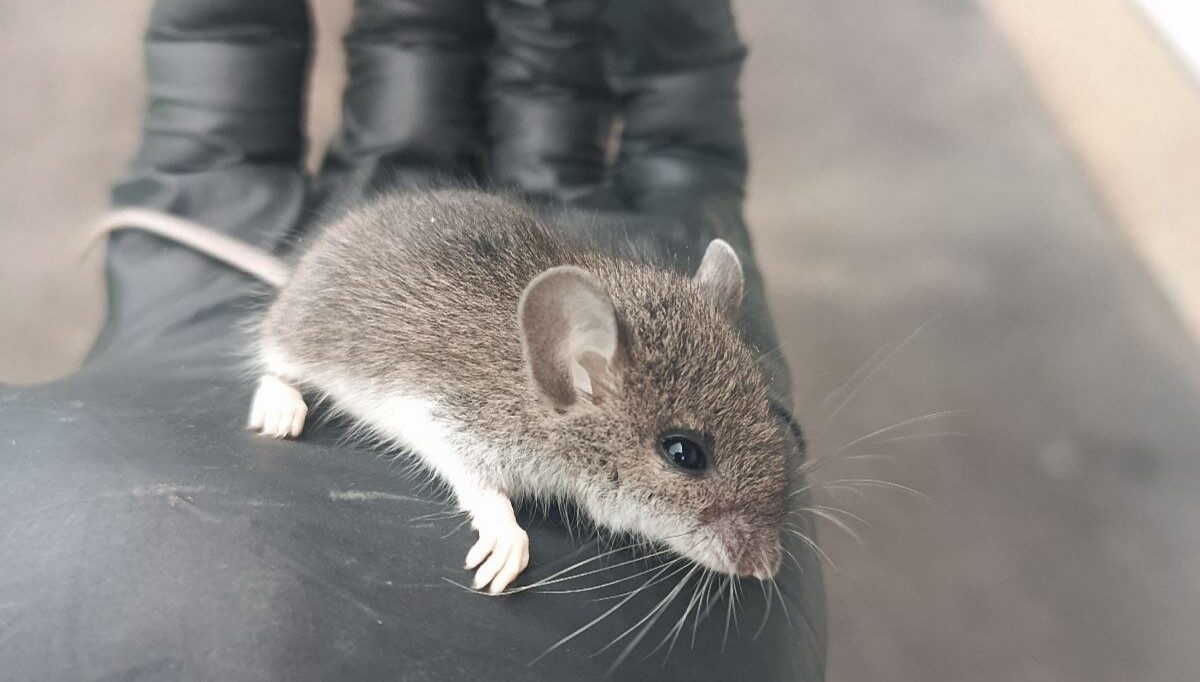
Coquitlam is one of the most naturally beautiful cities in British Columbia and that’s exactly the problem. When your neighbourhood backs onto green space, ravines, trails, and the Coquitlam River, you’re not just living near nature. You’re living in it. And every summer, the wildlife that calls those spaces home starts looking for something yours has to offer: warmth, shelter, and food.
So why do Coquitlam homes see more wildlife activity in summer? The short answer is that summer is breeding season. Raccoons, squirrels, skunks, birds, bats, mice, and rats all become more active between May and August as they search for safe places to raise their young. Your attic, your soffit, the space under your deck – these are exactly the kinds of spots they’re looking for. Homes near Burke Mountain, Westwood Plateau, and the trails along Scott Creek are especially active, but no part of Coquitlam is immune.
At Skedaddle Humane Wildlife Control, we respond to more calls in summer than any other time of year. In this blog, we break down which animals are most active, why your home attracts them, and why you should leave the removal to our professional wildlife team.
What Time of Year Is Most Common for Wildlife to Enter Homes?
Summer is the peak season for wildlife entering homes and Coquitlam is a clear example of why.
From late spring through August, animals that live in the parks, ravines, and greenbelts surrounding Coquitlam neighbourhoods shift into breeding mode. They need secure, sheltered spaces to give birth and raise their young. Your home offers exactly that. Attics stay warm and dry. Soffits provide hidden cavities. The space under a deck is quiet and protected. To a raccoon or squirrel looking for a nesting site, these spots are ideal.
The summer heat also drives activity in a second way. As temperatures rise, insects become more abundant, and that draws bats and birds closer to residential areas where food is plentiful. Mice and rats follow the same logic, moving along fence lines and foundation edges in search of warmth and food sources like unsealed garbage bins and compost.
Fall and spring also see spikes in wildlife activity, but summer is when the most calls come in. That’s when colonies are at their largest, pups are at their most vulnerable, and the risk of a small intrusion turning into a full infestation is at its highest.
Raccoons: Urban Foragers Looking for a Nesting Spot
Raccoons are one of the most common wildlife calls we handle in Coquitlam, and summer is their busiest season. Females actively search for secure, elevated spaces to raise their kits, and your attic fits that description perfectly. They’re strong enough to tear through aging soffit panels, roof vents, and fascia boards to get inside, and once they’re in, they settle quickly.
You might notice raccoons on your property in the evenings, rummaging through green carts or tipping over bins. Neighbourhoods near Town Centre Park and the Coquitlam River trail system tend to see the most activity, as these areas offer ideal foraging grounds right beside residential streets.
Signs a raccoon may have entered your home include:
- Thumping or heavy movement sounds in the attic, especially at dusk and dawn
- Torn or displaced soffit panels or roof vents
- Dark, tubular droppings near the roofline or in the attic
- Strong ammonia-like odour coming from the ceiling
If you notice any of these signs, don’t investigate on your own. Call our team right away and let us handle the assessment.
Squirrels: Small But Surprisingly Destructive
Squirrels are fast, persistent, and relentless when it comes to finding a way into your home. Coquitlam’s wooded neighbourhoods, particularly around Burke Mountain and Westwood Plateau, give them plenty of trees to travel through, and those trees often lead directly to rooflines and eaves.
In summer, squirrels are raising their young and need a secure, dry place to do it. Your attic is a top choice. They chew through weak points in the roofline, gnaw on wood trim, and squeeze through gaps smaller than you’d expect. Once inside, they build nests in your insulation and can chew through wiring, creating a fire hazard that often goes unnoticed until damage is already done.
Common signs of squirrel activity include:
- Rapid scratching or scurrying sounds during the day
- Visible gnaw marks on wood trim, fascia, or soffits
- Nesting material like leaves or insulation near vents
- Droppings smaller than raccoon droppings, often scattered in the attic
Squirrel problems don’t resolve on their own. The longer they’re in your home, the more damage they do. Contact our Coquitlam team as soon as you notice the signs.
Skunks: Ground-Level Intruders Under Your Deck
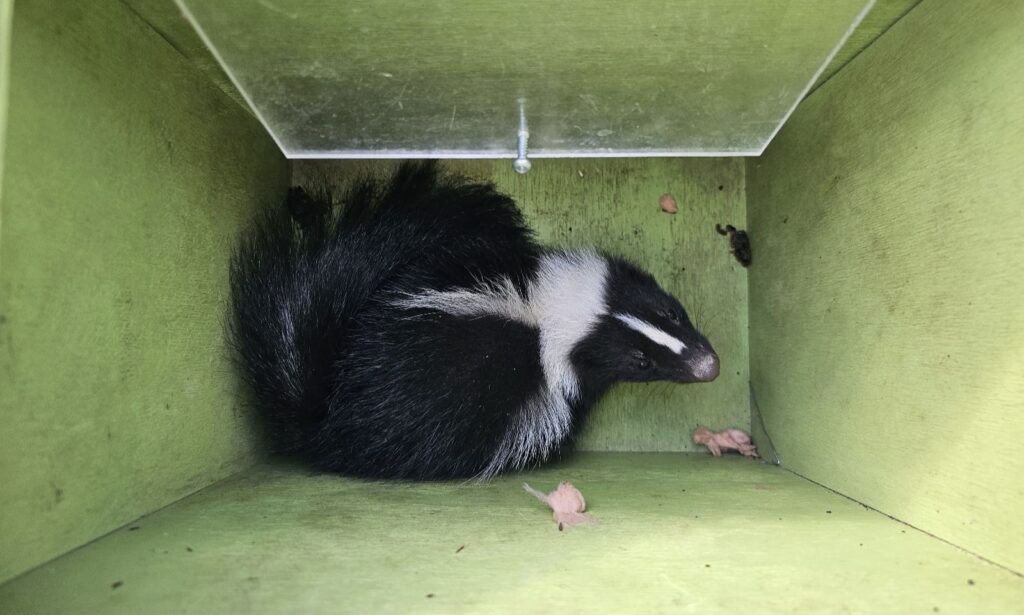
Skunks don’t typically go for attics. Instead, they look for low, dark, sheltered spaces; the area under your deck, shed, or porch is exactly what they’re after. In summer, female skunks dig shallow dens to raise their kits, and residential yards in Coquitlam offer plenty of options.
They’re also drawn to lawns by grubs just below the surface. If you’ve noticed small, cone-shaped holes dug into your grass, a skunk is likely the cause. Beyond the smell, they can cause real damage to landscaping and create entry points that other animals later use.
What to watch for around your property:
- A persistent musky or sulphur-like odour near ground-level structures
- Small cone-shaped digging marks in the lawn
- Scratch marks or disturbed soil around the base of your deck or shed
- Rustling sounds coming from under structures at night
Don’t approach a skunk or attempt to block the den opening yourself, especially in summer when kits may be inside. Our team will assess the situation and handle removal safely.
Birds and Bats: Taking Over Your Vents and Attic
Birds and bats become highly active in Coquitlam during the summer months, and both tend to find their way into homes through similar entry points – gaps in the roofline, uncapped vents, and deteriorating soffit panels.
Birds like starlings and sparrows nest in roof vents and exhaust openings. Once a nest is built, the vent becomes blocked, which can affect your ventilation system and leave behind droppings and debris that’s hazardous to handle. Bats take a different approach, they form maternity colonies in warm, quiet attics to raise their pups, sometimes going unnoticed for weeks until the colony grows large enough to hear.
Both situations require professional removal. Blocking a vent or entry point without knowing what’s inside or whether pups are present can trap animals and create a much bigger problem.
Mice and Rats: The Year-Round Threat That Peaks in Summer
Mice and rats are active in Coquitlam year-round, but summer brings a specific surge. Warmer temperatures increase their foraging range, and the abundance of outdoor food sources – unsecured bins, compost, fruit trees, bird feeders – draws them closer to homes. From there, it’s only a matter of finding a gap.
Both mice and rats can squeeze through openings much smaller than most homeowners expect – mice can fit through a hole the size of a dime. They travel along fence lines and into garages, crawl spaces, and wall cavities. Once inside, they breed quickly, and a small problem becomes a large one within weeks.
Their droppings can contaminate surfaces and insulation, and their gnawing on wires creates damage that compounds over time. If you notice droppings, gnaw marks, or movement in your walls, don’t touch anything. Call our team right away.
Our Humane Approach to Summer Wildlife Removal and Prevention
At Skedaddle Humane Wildlife Control in Coquitlam, we never use poisons or live traps. Instead, we use one-way doors and exclusion devices that allow animals to leave your home on their own but physically prevent them from getting back in. It’s a humane, effective method that protects the animals while solving the problem for you.
Our process starts with a full inspection of your property – roofline, soffits, vents, foundation, and any ground-level structures. We identify where animals are entering, assess whether young are present, and develop a removal plan that accounts for all of it. Once the animals have vacated, we seal every entry point with durable, wildlife-grade materials and back our prevention work with a lifetime guarantee.
We also handle cleanup. Droppings, contaminated insulation, and nesting material are health hazards that require proper protective equipment and professional handling. Our team takes care of all of it so you don’t have to go near it.
Summer Wildlife in Coquitlam: What Makes This City Different
Coquitlam’s greenbelts and ravines create natural corridors that animals follow directly into residential areas. Neighbourhoods like Burke Mountain, Scott Creek, and Upper Eagle Ridge sit right at the edge of forested land, which means the transition from wild space to your backyard happens fast.
The City of Coquitlam asks residents to secure waste carts and keep green bins in the garage until collection morning. These steps help reduce attractants, but they don’t eliminate the risk, especially for homes with mature trees near the roofline, aging soffits, or ground-level structures. If you’ve already noticed activity on your property this summer, the best move is to call our team before it escalates.
Frequently Asked Questions
How do I know if wildlife has gotten into my attic?
The most common signs are sounds - scratching, scurrying, or thumping, often early in the morning or around dusk. You might also notice droppings near the roofline, a strong ammonia odour in your upper floors, or visible damage to soffit panels or vents. If you're not sure, our team can do a full inspection and tell you exactly what's going on.
Is it safe to block the entry point myself once I see an animal going in?
No and this is one of the most important things to know. Sealing an entry point without a professional inspection can trap animals inside, including young that can't get out on their own. That leads to odour problems, further damage, and potential health risks. Always call our professionals first.
Are the animals coming into my home dangerous?
In most cases, the animals themselves are not aggressive unless cornered or protecting young. The real risk is what they leave behind - droppings, urine, nesting material, and chewed wires. These create health hazards and structural damage that should always be handled by a trained technician. Don't touch droppings or nesting material and call Skedaddle right away.
Why does my home keep getting wildlife every summer?
If animals return to your property year after year, it usually means there are entry points that haven't been properly sealed, or attractants on the property that keep drawing them in. Our inspection identifies both and our prevention work addresses them permanently, not just for one season.
Do you remove baby animals?
We handle situations involving young animals carefully and humanely. In summer, maternity colonies are common, and our process accounts for the presence of pups before any exclusion begins. We never seal a space without confirming it's safe to do so.
Don’t Wait Until It Gets Worse: Call Skedaddle Today
Summer wildlife activity in Coquitlam moves fast. What starts as a scratching sound in the attic or a skunk under the deck can turn into a full infestation within weeks. The sooner you call, the simpler and less costly the solution.
Living near parks, ravines, and greenbelts means wildlife is always close by. Raccoons, squirrels, skunks, and rodents are all looking for the same things your home offers: warmth, shelter, and easy access to food. Once they find a way in, they don’t leave on their own. And the longer they stay, the more damage they do.
That’s where we come in. At Skedaddle Humane Wildlife Control in Coquitlam, we have the training, tools, and local knowledge to handle whatever is on… or in your property. We’ll inspect your home, tell you exactly what we find, and take care of everything from removal to cleanup to prevention. You don’t have to figure it out. You just have to make the call.
Don’t touch it, don’t block it, and don’t wait. Request an estimate from our Coquitlam team today and let us handle the rest.

 Loading...







