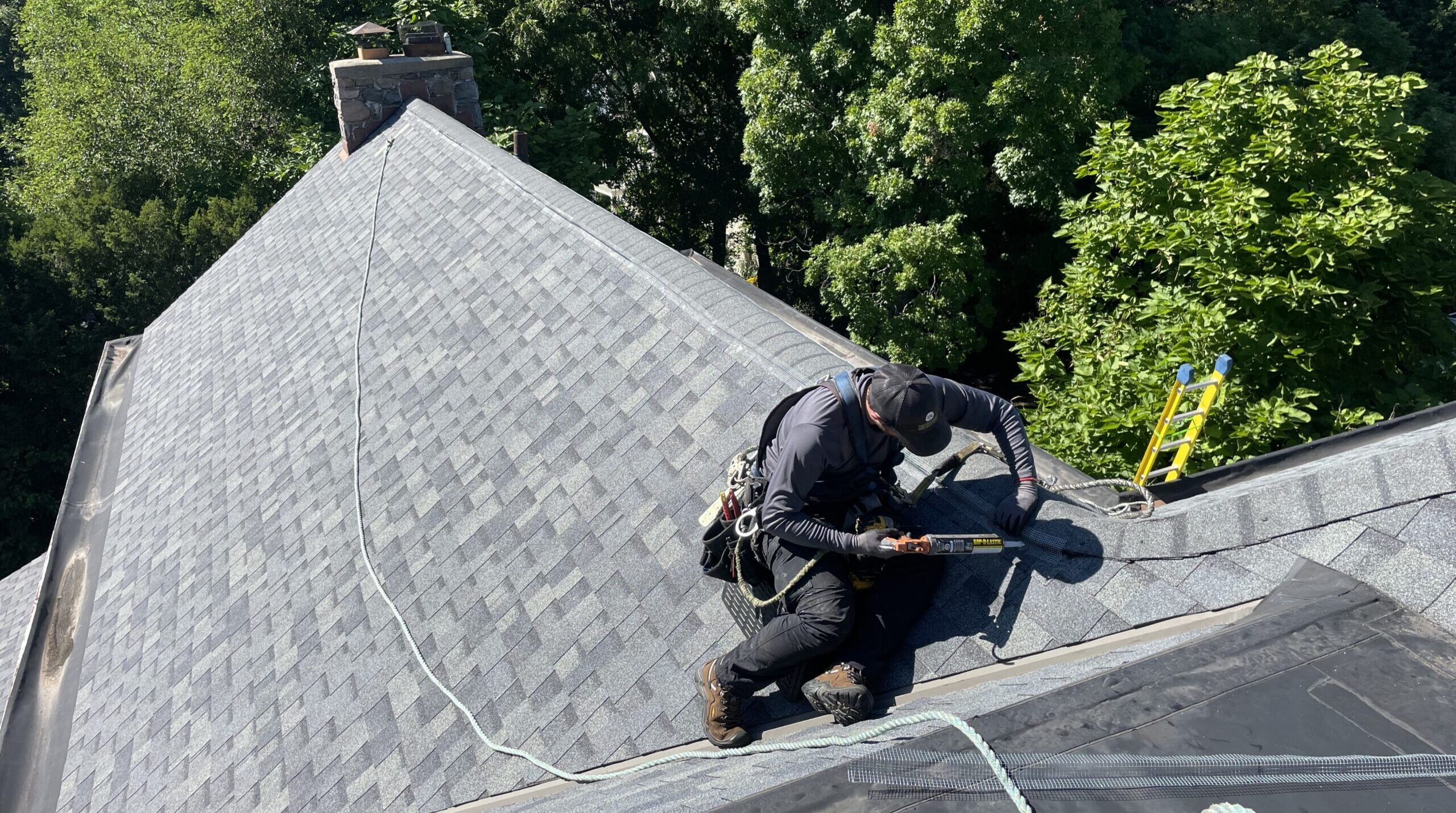
You may expect a newly built home to have no openings, but new construction does not always make a London home wildlife-proof. Roof junctions, soffit returns, vents, cladding edges, and utility openings can leave small entry points. Some gaps are part of the design, while others form as materials settle or respond to changing weather.
Modern houses are built to meet rules for safety, structure, airflow, and energy use. However, standard construction details do not always include the strong exclusion materials needed to stop determined animals. A small weakness near the roof or foundation may provide a route into an attic, wall, garage, or crawl space.
Homeowners should not climb onto the roof, reach into an opening, handle droppings, or cover a gap that could already be active. At Skedaddle Humane Wildlife Control in London, Ontario, we inspect the entire exterior, find hidden access points, remove these animals humanely, and install durable protection. In this blog, we explain how modern designs, roof junctions, soffit returns, vents, cladding, construction gaps, and changing seasons can leave a newer home exposed.
What Is the Most Environmentally Friendly House to Build?
An environmentally friendly house usually uses less energy, limits waste, and includes durable materials that reduce its effect on the environment. Good insulation, efficient heating and cooling, airtight construction, and responsibly sourced materials can all support this goal. However, an energy-efficient house is not automatically protected against unwanted entry.
Airflow openings are still required in many parts of a modern building. Roof vents, soffit vents, dryer vents, bathroom exhausts, and weep holes help control heat and moisture. If these openings lack strong protection, they can still provide access to hidden spaces.
A tightly built house may even offer excellent shelter after entry occurs. Warm attics, insulated walls, and quiet roof spaces provide stable conditions during changing weather. This is why environmental performance and professional exclusion should be treated as two separate parts of protecting a home.
Modern Design Can Leave Hidden Weak Points
Modern homes often have complex shapes, clean exterior lines, and several types of building materials. Each place where one section meets another can create a joint, edge, or small opening. These details may look finished from the ground while still offering a route behind the exterior surface.
- Complex Rooflines: Dormers, valleys, peaks, and attached garages create many places where roof sections meet. A small gap at one junction may lead beneath shingles or into the attic. Our technicians inspect these connections closely because the weakness may be hidden by trim.
- Hidden Gutters and Drainage: Some designs hide drainage parts to create a cleaner appearance. Openings around these systems may be hard to see without a close inspection. Water damage can also weaken nearby wood and make an existing gap easier to enlarge.
- Decorative Exterior Features: Columns, trim boxes, false roof sections, and decorative panels may contain empty spaces. A loose edge can lead behind the finished surface. We check whether these details connect to the wall, soffit, or roof cavity.
- Several Connected Materials: Brick, stone, siding, metal, vinyl, and wood may meet on one exterior wall. Each transition can respond differently to heat, cold, and moisture. A joint that was tight when installed may develop a small separation later.
You may only see a clean roofline and finished siding from the yard. Our professional inspection looks beyond the appearance and follows each possible route into the structure.
Roof Junctions Can Provide Concealed Entry Routes
Roof junctions are among the most important parts of a newer home to inspect. These areas occur where roof slopes, walls, dormers, or attached sections meet. Even a narrow opening may connect directly to an attic or roof void.
The problem may begin with a construction tolerance, loose flashing, or trim that does not sit tightly against another surface. Wind, rain, snow, and repeated temperature changes can make the space larger. Once an edge lifts, these animals may pull, push, or chew at the weaker material.
The visible damage may not be located directly above the sounds you hear. An occupant can enter at one roof junction and travel through the attic to another part of the house. Skedaddle traces the complete route instead of focusing only on the room where activity becomes noticeable.
Soffits, Fascia, and Roof Edges May Be Vulnerable
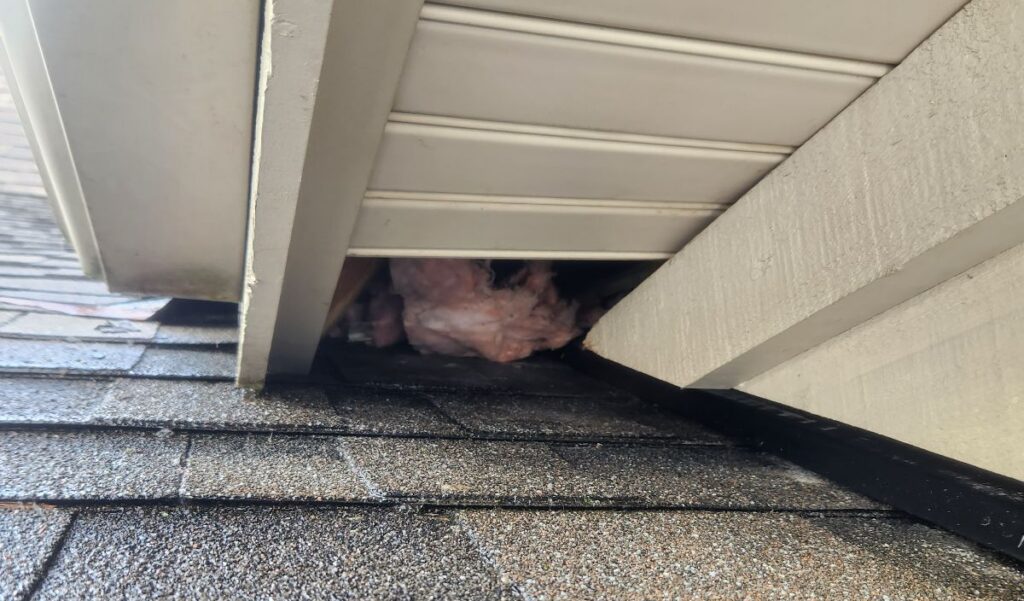
Soffits and fascia help finish the lower edge of a roof, but they are not always built to resist pressure from outside. Thin aluminum, vinyl panels, and lightweight trim can bend or separate. A small weakness may expose the protected space behind the roof edge.
- Soffit Returns: A soffit return is the area where the roof edge meets the wall or another roof section. Complex angles can leave a narrow opening that is difficult to see from below. We inspect the full return and determine whether it connects to the attic.
- Loose Soffit Panels: A panel may shift because of wind, poor attachment, moisture, or building movement. Even when it falls back into place, evidence of entry may remain behind it. Our team checks neighbouring panels because more than one area may be loose.
- Fascia Gaps: Fascia covers the front edge of the roof and supports nearby exterior parts. A separation behind it may provide a hidden route beneath the roofing. These animals can follow the gap until they reach a larger cavity.
- Roof-Edge Damage: Shingles, flashing, and drip edges can lift or wear over time. A newer home is not protected if installation damage or severe weather creates an opening. We assess the surrounding materials before planning removal and repair.
Homeowners should not push a panel back into place or cover the gap. An adult or dependent young may already be inside, and closing the route could trap them.
Required Vents Can Lead to Protected Spaces
A home needs ventilation to manage airflow, moisture, and heat. This means even a well-sealed new house includes planned exterior openings. Standard covers may control rain or debris without providing strong protection against determined entry.
- Roof and Attic Vents: Roof vents can lead directly into an attic or roof cavity. A loose cover, damaged screen, or open edge may provide access. Our team examines the vent and the nearby roofing because the first visible gap may not be the only weakness.
- Soffit Vents: These openings allow air to enter at the lower part of the roof. Lightweight screens may bend, tear, or pull away from the frame. Once inside the soffit, an occupant may travel farther into the attic.
- Bathroom and Dryer Vents: Exhaust vents often have exterior flaps or hoods that open when the system runs. A damaged flap can leave a sheltered duct exposed. Nesting material may also reduce airflow and affect how the system works.
- Wall Vents and Intake Openings: Heating, cooling, and fresh-air systems may require openings through an outside wall. Gaps around the frame can expose insulation or interior wall space. We inspect both the cover and the seal around it.
- Weep Holes: Brick walls include small openings that allow moisture to escape. These spaces serve an important building purpose and should not be covered without proper planning. Professional protection must preserve drainage while reducing unwanted access.
An exterior cover cannot be installed safely until the connected space has been inspected. If activity is present, our team removes the occupants before completing exclusion.
Cladding and Utility Connections Can Hide Small Gaps
Exterior cladding protects a house and gives it a finished look. However, siding, brick, stone, and corner trim are separate systems installed over the main structure. Open edges behind these materials may create hidden travel routes.
- Siding Overlaps: Vinyl and metal siding panels overlap so they can move as temperatures change. A loose lower edge may allow access behind the cladding. From there, a small route may continue toward the soffit or wall cavity.
- Brick-to-Siding Transitions: New homes often combine brick on the lower level with siding above it. The joint between the two surfaces may include trim, flashing, or sealant. A missing section can create a protected space behind the exterior finish.
- Corner Caps and Trim: Exterior corners are often covered with shaped pieces that hide panel edges. A loose or damaged cap can expose a narrow vertical channel. These channels may lead toward roof or wall openings.
- Utility Lines: Cables, electrical lines, air-conditioning pipes, and other services pass through exterior walls. The space around them may be slightly larger than the line itself. Our technicians examine each connection and determine whether it reaches an interior cavity.
- Foundation Transitions: The place where siding or brick meets the foundation may contain gaps hidden by landscaping or trim. An opening near ground level can lead into a garage, crawl space, basement, or wall. We check the entire lower exterior instead of inspecting only the roof.
You may not see these spaces during a normal walk around the house. Our professional inspection is important because small gaps can sit beneath trim or several metres above the ground.
New Materials Still Shift, Settle, and Wear
A house begins responding to its environment as soon as construction ends. Wood can shrink, sealants can separate, and lightweight exterior parts can move. Seasonal temperature changes may also cause different materials to expand and contract at different rates.
London’s rain, snow, ice, wind, and freeze-and-thaw cycles can place added stress on roof and wall connections. Water may enter a small joint and freeze when the temperature drops. This can widen an opening or weaken the material around it.
Construction work around a growing neighbourhood can also disturb nearby shelter. When land is cleared or buildings are added, these animals may explore the newest structures in the area. London’s mix of green spaces, waterways, urban growth, and mature neighbourhoods supports year-round activity around residential buildings. Our London team reports that roof spaces, soffits, vents, walls, garages, and areas beneath structures are common locations requiring professional attention.
Standard Construction Gaps Can Leave Small Entry Points
Standard construction allows small spaces where materials meet, move, or expand. Some gaps may be only about a quarter-inch wide, but that can still be enough for mice or insects to enter. These openings may appear around framing joints, roof edges, foundations, vents, and utility lines.
A new home can also develop small separations as its materials settle. Wood may shrink, sealant may pull away, and different exterior surfaces can expand at different rates. Rain, snow, wind, and freeze-and-thaw cycles may make these spaces larger over time.
Building-code compliance does not mean that every joint has been protected against wildlife. Codes address important needs such as structure, safety, moisture control, and ventilation, while professional exclusion focuses on stopping unwanted entry. Our Skedaddle team inspects these construction gaps, confirms whether they are active, and installs suitable protection without blocking required airflow or drainage.
Warning Signs Inside a Newer Home
People sometimes dismiss unusual signs because they assume a recently built house cannot have an entry problem. However, age alone does not explain scratching, odours, droppings, or damaged exterior materials. Several signs together may point to hidden activity.
- Sounds in Walls or Ceilings: Scratching, movement, fluttering, or light thumping may travel through connected spaces. The entry point can be far from the place where the noise is heard. Our team traces the route without asking you to open walls or enter the attic.
- Activity Near the Roof: You may see repeated movement near a vent, dormer, soffit, or roof junction. Regular use of one area is a strong reason to arrange an inspection. Homeowners should watch only from a safe place on the ground.
- Damaged Exterior Materials: Bent vents, lifted shingles, loose soffits, or marks near trim may show where pressure has been applied. The visible damage may hide a larger opening behind it. We inspect the surrounding roof and wall connections for related weaknesses.
- Droppings or Nesting Material: Waste, insulation, grass, leaves, or other material may appear near an opening or inside a garage. You should not touch, sweep, vacuum, or remove it. Professional assessment can identify the affected areas and sanitation needs.
- Unusual Odours: Urine, waste, nesting material, or a deceased occupant may create an unpleasant smell. Air movement can carry that odour away from its source. A full inspection helps locate the actual problem.
These warning signs require attention even when the home is still under a builder’s warranty. The immediate concern is confirming whether something is inside and preventing further damage.
Why One Opening May Not Be the Whole Problem
One active opening does not prove that the rest of the house is secure. A complex exterior may contain several similar vents, junctions, or trim connections. Removing an occupant from one place will not stop another entry if nearby weaknesses remain open.
The route may also include more than the exterior hole. These animals can move through soffits, attic insulation, wall cavities, ducts, or spaces above attached garages. Contamination and damage may therefore extend beyond the first room where signs appeared.
Our team checks the complete building envelope and connected interior areas. We document active access, secondary weaknesses, nesting areas, and affected materials. This allows removal, sanitation, restoration, and prevention to work as one plan.
Wildlife Removal and Prevention with Skedaddle
Our professional wildlife team begins with a detailed inspection of the interior and exterior. We identify the species, locate active entrances, search for dependent young, and examine connected nesting or denning areas. We also inspect the rest of the structure for construction gaps that could support another entry.
The removal plan is based on the species, season, and location. When appropriate, we install one-way doors that allow wildlife to leave but prevent re-entry. If young are present, our technicians use a humane family-removal process rather than blocking the mother outside.
Once the space is clear, we secure entry points with durable exclusion materials. Our team can also handle contaminated material, damaged areas, professional cleanup, and restoration. You will not be asked to enter the attic, touch droppings, work near the roof, or close an opening yourself.
Wildlife Problems Around New London Developments
New neighbourhoods often sit near former fields, wooded land, stormwater ponds, parks, or construction zones. Development changes natural travel routes and shelter, which can bring these animals close to new houses. A finished building may become appealing before the surrounding neighbourhood is complete.
New landscaping can also create cover near foundations, decks, and exterior walls. Attached garages, layered rooflines, stone veneers, and modern siding systems provide many exterior connections to inspect. Construction debris or unfinished neighbouring lots may support continued activity in the area.
Season matters as well. Spring brings nesting and baby season, while fall sends many species searching for warm shelter before winter. Our professional inspection considers the building design, nearby habitat, weather, and time of year before any opening is secured.
Frequently Asked Questions
Can wildlife enter a brand-new house?
Yes, these animals can enter a new house when they find an unprotected vent, roof gap, soffit opening, or utility connection. Construction quality does not guarantee professional exclusion around every part of the exterior. A complete inspection can reveal weaknesses that are difficult to see from the ground.
How small can an entry point be?
Some species can use openings that look far too small to a homeowner. Others can enlarge soft, loose, or damaged building materials through pushing or chewing. Our technicians consider the likely species, evidence, and connected space instead of judging the problem by gap size alone.
Should an opening be sealed as soon as it is found?
No, an opening should not be sealed until a professional confirms that the connected space is empty. An adult may be outside while dependent young remain hidden inside. Closing an active route can trap them, separate a family, or lead to further building damage.
Why is there scratching in a new attic?
A roof vent, soffit return, dormer junction, or attached garage may provide access to the attic. Sound can travel through framing and insulation, so the entry point may not be above the room where you hear it. Skedaddle inspects the full attic and exterior route to identify the source.
Can standard vent covers prevent entry?
Some standard covers are designed mainly for airflow and weather protection. Lightweight screens, plastic flaps, and loose edges may not resist pressure or chewing. Our professional exclusion uses protection suited to the opening without blocking the airflow or drainage the house requires.
Who should inspect a new London home?
Our trained wildlife-control professionals should inspect the roofline, vents, soffits, cladding, foundation, utilities, attic, garage, and other connected spaces. Skedaddle Humane Wildlife Control in London can identify active entry points and other vulnerable areas. Homeowners will not need to climb, handle waste, or enter contaminated spaces.
Give a New Home the Protection It Still Needs
A new London home may look sealed while small openings remain around roof junctions, soffit returns, vents, exterior cladding, utility connections, and foundation transitions. Modern design, required airflow, material movement, severe weather, and minor construction gaps can all create access to protected interior spaces.
Scratching sounds, repeated activity near the roof, loose exterior materials, droppings, nesting material, and unusual odours should not be ignored because the building is new. One visible gap may also connect to a larger route through the attic, soffit, wall, garage, or duct system. Homeowners should not climb, handle contaminated material, or seal the opening before its status is known.
At Skedaddle Humane Wildlife Control in London, we provide complete inspection, humane removal, professional cleanup, restoration, and long-term prevention. We use one-way doors when appropriate and secure vulnerable areas with materials selected for the structure. Contact us to request an estimate and learn more about giving your new home the professional protection that standard construction may not provide.

 Loading...








