


Ant control
Carpenter ants in damp wood and window frames, and pavement ants coming in from the yard.
Ant control in the GTA →Skedaddle GTA — serving Newmarket, from Bogarttown to Glenway Estates, in York Region.
No traps. No poison. Permanent exclusion.
Skedaddle Humane Wildlife Control removes squirrels, mice, bats and raccoons from homes across Newmarket, the York Region town that runs from Bathurst Street east to Highway 404, with the East Holland River and Fairy Lake at its centre. Every job starts with an inspection. We match the removal method to the species, retrieve dependent young by hand and seal every entry point with durable materials. This winter, our focus is closing rooflines before squirrels nest and raccoons mate in late winter, keeping mice out of basements and protecting any bats hibernating inside.
Newmarket homeowners call us for the same reasons their neighbours do. They want the animal out humanely, the house sealed properly and a clear price before any work begins. Here's what stands behind that.
The East Holland River runs through the middle of Newmarket. Fairy Lake, a former mill pond in the 13.4-hectare Wesley Brooks Conservation Area, sits at the centre of town a short walk from Main Street, and to the south, the Tom Taylor Trail passes through Bailey Ecological Park, where the river's oxbow ponds and wetlands draw wildlife toward nearby backyards. In the past 12 months, our GTA crews completed more than 90 wildlife and pest jobs in Newmarket.
Our technicians train to written protocols for roof safety, attic entry and species-specific exclusion, and our humane methods are approved by SPCAs and Humane Societies. We follow Ontario's rules on wild animals damaging property, including releasing live-captured animals within one kilometre. Newmarket Animal Services responds to sick, injured and orphaned wildlife, and the Town directs residents to a private wildlife control company for healthy wildlife on private property.
Removing an animal solves today's problem. The seal decides whether it comes back. Every entry point we close carries a lifetime guarantee on all workmanship and materials, and if sealed work fails, we return and repair it at no charge. That is why our inspection documents every gap, from roof vents to the foundation sill, before we write a quote. Newmarket's homes range from the 72 designated properties in the Lower Main Street South Heritage Conservation District to newer streets in Woodland Hill and Summerhill Estates, and the guarantee works the same way on all of them.

General Manager
Tisha joined Skedaddle in September 2017 as General Manager of both the Toronto and Durham Region locations. Skedaddle's approach to safety, humane wildlife treatment and customer service led her to change industries after a career managing lawn care locations in Ontario and British Columbia. She takes pride in giving homeowners permanent solutions and enjoys the unpredictability of working with wildlife.

Field Supervisor
Colin is a graduate of the Fish & Wildlife program at Fleming College. He trains and mentors new staff and shares what he knows about urban wildlife with the public. He enjoys working outdoors and hands-on with animals, and he is a Scout Leader with the 1st Newcastle troop.

Wildlife Specialist
Harley holds a diploma in Law and Public Safety from Seneca College and chose Skedaddle for its commitment to customer service. He is family- and community-oriented and volunteers regularly with Fellowship Pickering Children's Ministries. Off the job, he spends time with his wife and has a passion for woodworking.

Wildlife Technician
Chris has a sincere love for animals and enjoys fixing things, which made Skedaddle a natural fit. His favourite calls are raccoons, especially when babies are involved. Away from work, most of his time goes to his family and his five children.
Skedaddle founder Bill Dowd explains why trapping and relocating wildlife fails both homeowners and animals, and how hand removal, reunion boxes and permanent sealing solve the problem instead.
Squirrels, mice, bats and raccoons lead our wildlife work in Newmarket. The East Holland River, Bogart Creek and the Tom Taylor Trail carry green corridors from the Aurora border north through the town, mature trees in Central Newmarket and Gorham-College Manor put branches within reach of rooflines, and the older homes around Main Street have plenty of gaps for animals to use. Winter changes what each animal is doing, so every section below explains what we look for right now and how we handle it humanely.
Squirrels are our biggest wildlife job in Newmarket. Grey squirrels don't hibernate. They breed from December to February, and first litters are born in February and March, so a squirrel in a Newmarket attic this winter may be a female preparing a nest. We find the entry at the soffit, gable vent or roof edge, check for young and seal with heavy-gauge material squirrels can't chew through.
Winter is when mice move indoors, and they keep breeding once they're inside. The Town's Property Standards By-law 2017-62 sets the maintenance standards every Newmarket home has to meet, and a home with mice in the walls falls short of them. That matches our approach. We trace every gap at the sill plate, utility lines and garage, seal it, then clean up the droppings and nesting left behind.
Big brown bats can spend the winter hibernating inside buildings. The Ontario MNR bat exclusion guide calls December to the end of March a good time to seal entrances completely, but only once no bats remain, since bats evicted in the cold would likely die. We confirm whether bats are present first. Where they are, we plan the exclusion for April, using one-way doors where appropriate.
Raccoons spend much of the winter resting in dens and mate in late winter, with the season starting as early as January. That makes now the time to fix the chimney cap, roof vent or soffit corner a raccoon is using, before a mother moves in with spring kits.
Rats, birds and skunks round out our Newmarket work. Rat removal starts at ground level with sealed foundations and tidy yards, and the Town's Living with Wildlife tips, such as keeping compost in containers that keep wildlife out, help too. Bird removal usually means starlings or sparrows in dryer and bathroom vents, which we clear and screen before spring nesting. Skunk removal relies on a buried screen barrier under decks, porches and sheds, ideally before skunks breed in February and March.
Scratching at dawn, heavy thumping after dark or a faint squeak inside a wall each point to a different animal. An inspection of your Newmarket home identifies what is there, finds where it is getting in and gives you a written plan before any work starts.
We serve homes across Newmarket, one of the nine local municipalities that make up York Region, from Bathurst Street to Highway 404 and from the Aurora border north to Green Lane. The names below are the town's recognized communities, plus the historic downtown and Bogarttown, and we confirm coverage by address when you book. If you don't see your neighbourhood, call and we'll check.
A Skedaddle inspection in Newmarket is a full walk of your property, inside and out, that ends with a written plan and price. Our technician identifies the animal, finds every entry point from the roof peak to the foundation, and explains the work before anything starts. Here's how it runs:
Restoration scope is priced on the same written quote as the exclusion, so you see the whole job in one place before you approve it. Call (289) 803-0354 or book online to schedule your inspection.
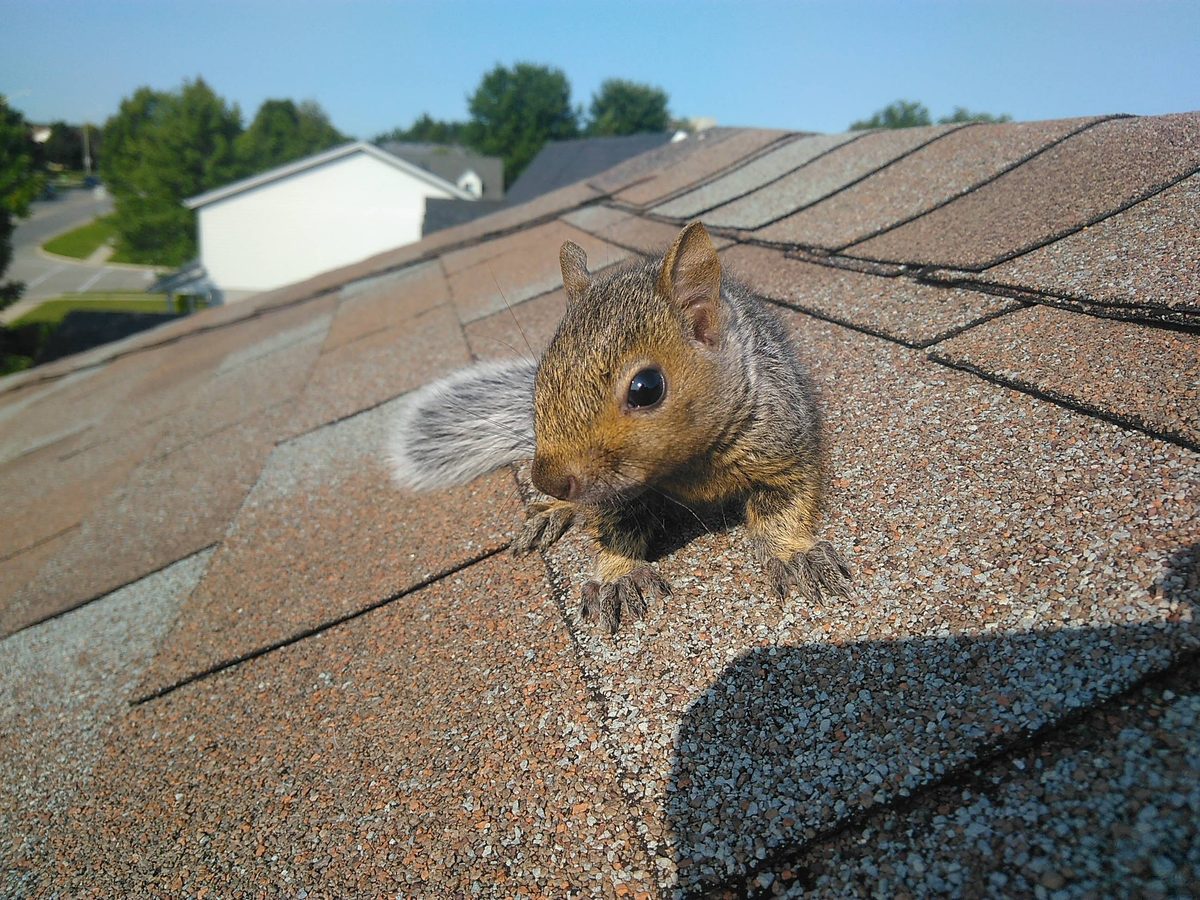

We start with a full inspection of your Newmarket home, from the roofline and chimney to the garage and foundation, to identify the animal, find its access routes and check the attic, walls and crawl spaces it is using. We then choose a humane removal method suited to the species and the winter conditions, checking for dependent young and hibernating bats first. One-way devices are used only where they suit the situation, never by default.
Learn more
Once the animals are out, we assess any contamination and agree on the cleanup scope with you. In Newmarket that is often squirrel and raccoon nesting in attic insulation, mouse droppings along basement walls and garage sills, or bat guano in a roof void. The work can include removing soiled material, decontaminating the affected space and restoring attic insulation where it was damaged. Many homes need only targeted cleanup, and we quote only what yours needs.
Learn more
We seal every confirmed and potential entry point once we know the animals are gone, using durable materials matched to the species, from chimney caps and roof-vent screens to sealed foundation cracks and buried barriers under decks. This exclusion work carries a lifetime guarantee on all workmanship and materials.
Learn moreNewmarket sits in the middle of York Region, between the Oak Ridges Moraine to the southwest and the Holland Marsh lowlands to the north, with cold, snowy winters and warm summers. The chart below shows what each season brings for wildlife here and how we plan our work around it. These are planning priorities, not counts of calls.
| Season | Wildlife focus | Our service focus |
|---|---|---|
| Winter (December–February) |
Grey squirrels breeding and nesting in attics; mice and rats indoors and along foundations; big brown bats hibernating in some buildings; raccoons resting in attics and chimneys and mating in late winter; skunks denned | Seal soffits and gable vents before squirrel litters arrive; trace and seal rodent entry; confirm no bats remain before any complete seal; cap chimneys |
| Spring (March–May) |
Squirrel litters and raccoon kits in attics and chimneys; bats returning to roosts; skunks nesting under decks and sheds; birds nesting in vents | Hand retrieval and reunion of young; bat exclusion from April to early May, using one-way doors where appropriate; vent screening; seal once dens are empty |
| Summer (June–August) |
Bat maternity period from mid-May to mid-August; second squirrel litters; young raccoons and skunks on the move; rats active around yards and garages | No bat exclusion while flightless pups are present; deck and shed barriers; foundation sealing |
Quarterly focus: Winter (December 2026–February 2027)
Our winter priority in Newmarket is sealing attics before the first squirrel litters arrive in February and raccoons mate in late winter, and keeping mice out of basements, walls and attached garages. That means sealing soffits, gable vents and roof edges, capping chimneys, and tracing rodent entry at foundations, garage doors and utility lines. For bats, we check every roof void before we seal it, because the Ontario MNR bat exclusion guide says it is not humane to seal entrances completely while bats remain.
Every Newmarket job runs on the same four commitments, whether the call is squirrels in a Woodland Hill attic or bats in a heritage home near Main Street. The methods change with the animal and the season. The standards don't.
Our technicians choose the method after the inspection, not before. Depending on the species and the opening, that can mean one-way exclusion doors where appropriate, hand retrieval of young, species-specific exclusion hardware on vents and chimneys, or timing the work around a maternity window. In winter, that judgment matters most for bats, because a big brown bat hibernating in an attic should not be pushed out into the cold.
Squirrel litters arrive in attics from February, and raccoon kits follow in spring. When young are present, we retrieve them by hand and place them in a heated reunion box near the original entry, so the mother can move them to another den herself. We seal the opening only once the family has gone. That keeps young from being trapped and stops a frantic mother from tearing open a new hole.
Squirrels, mice, bats and raccoons leave droppings, urine and shredded insulation behind, and a winter of activity can flatten insulation across a large part of an attic. We remove contaminated material, decontaminate the affected area and restore insulation where the damage requires it, so your attic holds heat properly through the rest of the cold season. The scope is written on your quote before work begins.
Ontario rules keep evicted wildlife within a kilometre of your home, so the seal is what actually keeps it out. We close every entry point with durable materials suited to the species, from heavy-gauge screening on roof vents to sealed foundation cracks and buried barriers under decks. That work carries a lifetime guarantee on all workmanship and materials, and if a sealed opening fails, we return and repair it.
NEWMARKET · PEST CONTROL
The same GTA crew that keeps wildlife out of Newmarket homes handles pest calls too, using eco-friendly products and sealing the cracks and gaps insects use to get inside. For homes that want ongoing protection, our Four Seasons Pest Control program schedules four visits a year, each aimed at that season's pests. Restaurants, offices, plazas and clinics along the Yonge Street and Davis Drive corridors can get a custom commercial pest control plan built around their high-traffic areas. Winter is a good time to seal the gaps ants will use in spring and take down old wasp nests. Here's what we treat:
Carpenter ants in damp wood and window frames, and pavement ants coming in from the yard.
Ant control in the GTA →
Nests in soffits, sheds and wall voids, and in the ground near walkways.
Wasp and hornet control in the GTA →
Activity in kitchens, bathrooms and the shared walls of townhouses, condos and rentals.
Cockroach control in the GTA →
Bites, spotting on mattresses and activity after travel or a used-furniture purchase.
Bed bug control in the GTA →
Webs in basements, garages and window wells, where spiders follow the insects they feed on.
Spider control in the GTA →
Yard treatments that target standing water and shady breeding spots around decks and gardens.
Mosquito control in the GTA →

There is no flat price for wildlife removal in Newmarket, because each job depends on the species, the number of entry points, the materials the seal needs and whether cleanup or insulation work is required. We inspect the property first and give you an itemized written quote on site before any work starts, so you know the full scope and cost before you decide.
Same-day service is sometimes available, but it cannot be guaranteed. We give priority to genuine urgency, such as a raccoon that has come through a ceiling into a living space or a bat flying inside the house during winter. Everything else takes the earliest available inspection, which is still the fastest route to a sealed home. Call (289) 803-0354 to check today's availability.
You can book a bat inspection now, and the timing of the exclusion depends on whether bats are still inside. The Ontario MNR bat exclusion guide calls December to the end of March a good time to seal a building completely, but only once no hibernating bats remain. If big brown bats are overwintering in your home, we plan the exclusion for April to early May, before the mid-May to mid-August pup season.
We serve homes across Newmarket, from the historic downtown on Main Street and Central Newmarket to Bogarttown and Stonehaven-Wyndham in the east, and Woodland Hill, Glenway Estates and Summerhill Estates in the west. Newmarket is part of York Region, and the same team also serves Aurora, East Gwillimbury, Holland Landing, Mount Albert, Keswick and Schomberg. Call with your address and we will confirm coverage.
Every job follows Ontario's wildlife rules. The Fish and Wildlife Conservation Act governs how wildlife may be handled, and provincial rules require live-captured animals to be released within one kilometre of where they were caught. We follow the MNR bat exclusion guide on timing, and our humane methods are approved by SPCAs and Humane Societies. Locally, Newmarket Animal Services responds to sick, injured and orphaned wildlife, and the Town directs residents to a private wildlife control company for healthy wildlife on private property.
Squirrels and mice are the animals we are most likely to remove from Newmarket homes this winter, followed by raccoons and bats. Grey squirrels breed from December to February and look for warm attics to nest in, and mice move indoors as the cold sets in and keep breeding through the winter. Raccoons rest in attics and chimneys ahead of their late-winter mating season, and some big brown bats hibernate inside buildings until spring.
Every Newmarket job carries a lifetime guarantee on all workmanship and materials. If an entry point we sealed fails, we come back and repair it at no charge. Because the guarantee rests on the seal, our inspection documents every opening on your home, from the roof peak to the foundation, before we write the quote.
Once the animals are out, we assess the attic and clean up what they left behind. That can mean removing droppings, urine and nesting material, decontaminating the space and replacing soiled or flattened insulation where the damage requires it. Not every attic needs full restoration, so the cleanup scope is set out on the same written quote as the exclusion work, before anything begins.
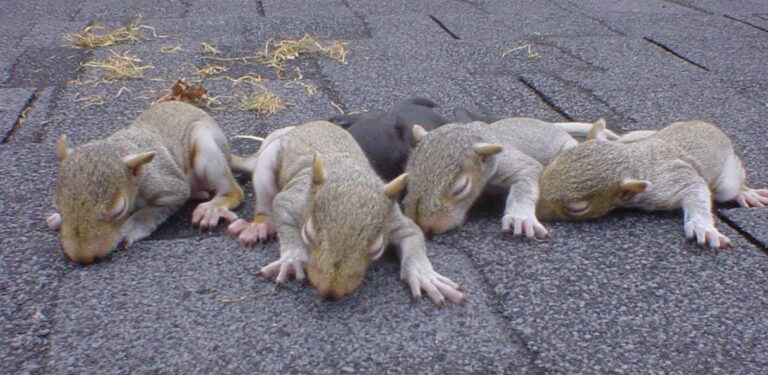
You hear quick footsteps race across your roof, followed by silence. Does that mean squirrels have moved into your attic? Not always. They may…
Read article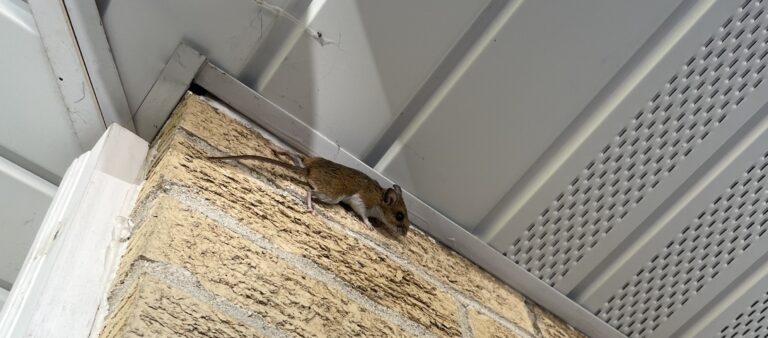
You don’t always see animals inside your Newmarket home during the winter, but you often notice little clues that something is wrong. You may…
Read article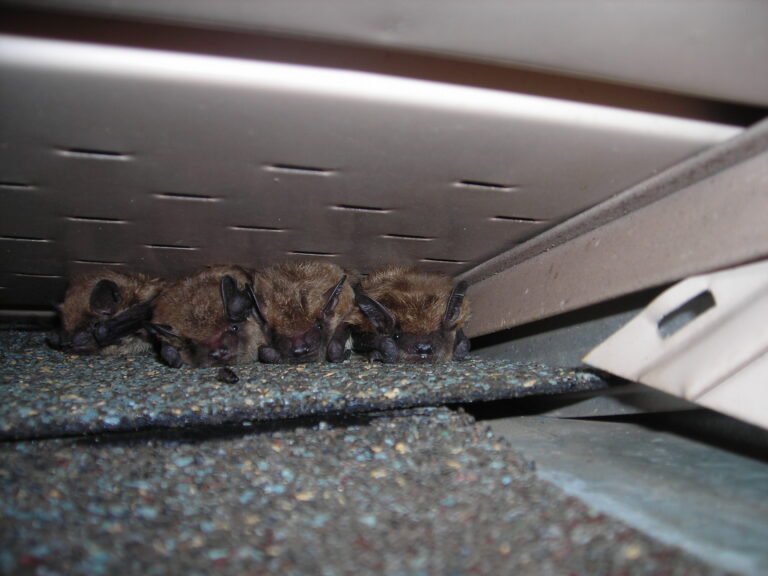
Bats are not typically considered household pests, but they can cause extensive damage if they make their way into your home. From chewing through…
Read article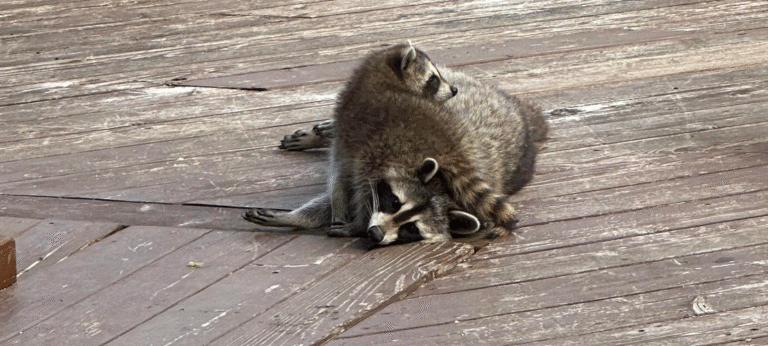
You may feel confident when you list your home for sale. Floors are clean. Photos look great. Showings go well. But when raccoons move…
Read article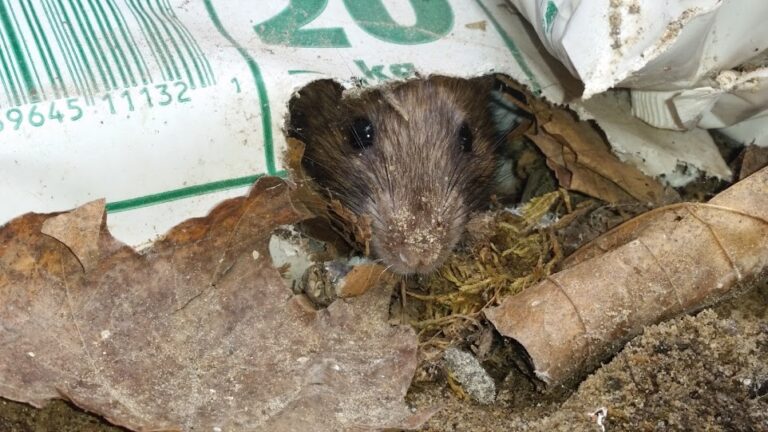
Hearing scurrying sounds or spotting signs of furry intruders in your basement? Chances are, you’re dealing with a rat infestation. Rats in the basement…
Read article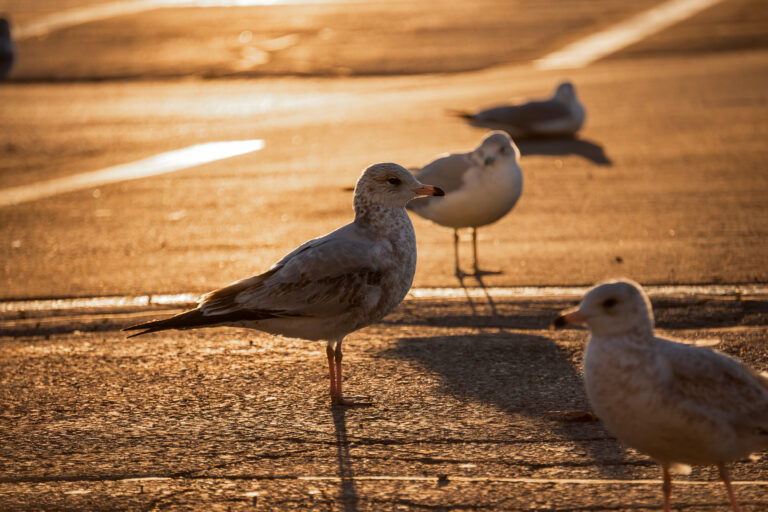
As a homeowner in Newmarket, you may have noticed the increase in bird activity in your backyard over the past few months. This is…
Read article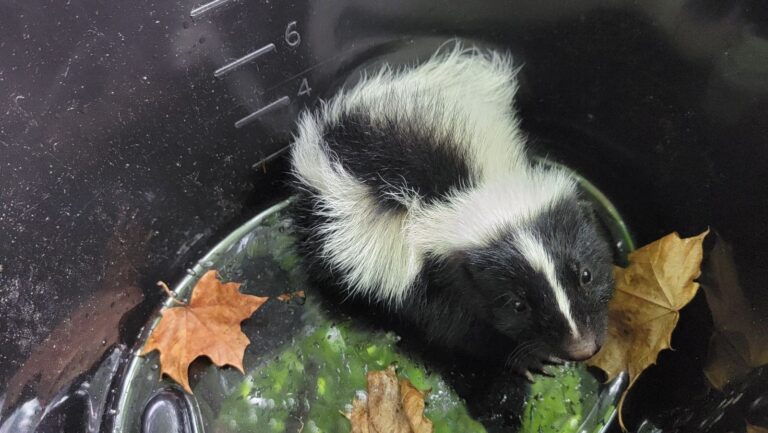
Preventing skunks from burrowing in homes is essential for maintaining a safe, clean, and comfortable property—especially in December when wildlife seek warm places to…
Read articleSquirrels in a Woodland Hill attic, mice in a Bristol-London basement, or bats in a heritage home a short walk from Fairy Lake: whatever you are hearing, the fix starts the same way. We identify the animal, choose a method matched to the species, retrieve any young by hand and seal every entry point, then decontaminate and restore the attic where needed. Our humane methods are approved by SPCAs and Humane Societies, and the work carries a lifetime guarantee on all workmanship and materials.
 menu