Greater Toronto Area Wildlife Removal and Pest Control
PROUDLY SERVING •
Toronto, North York, Scarborough, Mississauga, Oakville, Burlington, Markham, Newmarket, Pickering, Ajax, Whitby, Oshawa





Skedaddle GTA — one local team for wildlife removal and pest control from Burlington to Oshawa.
No traps. No poison. Permanent exclusion.
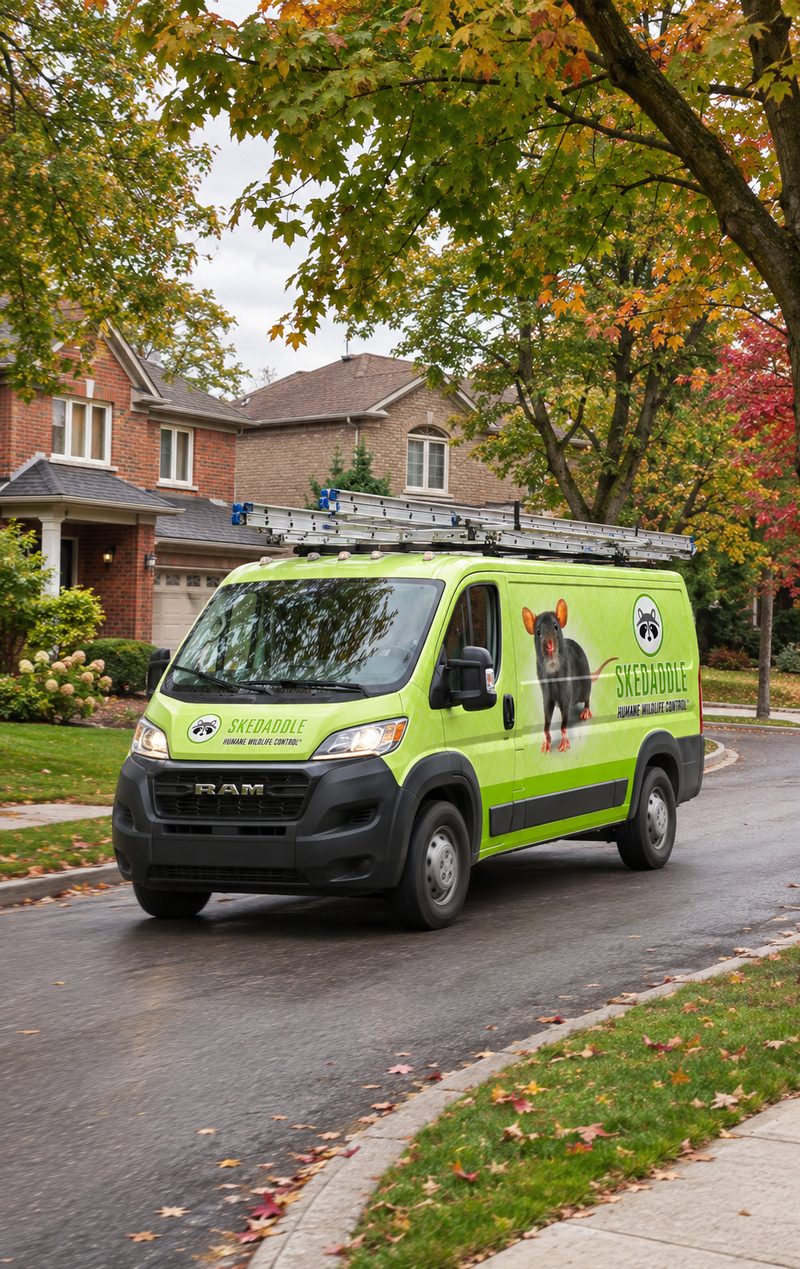
Skedaddle Humane Wildlife Control handles both wildlife removal and pest control across the Greater Toronto Area with one local team. Our wildlife work is exclusion-based: we remove animals alive, seal every entry point with heavy-gauge material, and back that seal with a lifetime guarantee on all workmanship and materials. Our pest work pairs targeted treatment with the same sealing discipline, so insects and rodents lose their routes inside. Every job starts with a full interior, exterior, attic and roofline inspection and an itemized quote on site.
At A Glance
- Service area: Toronto, North York and Scarborough; Pickering, Ajax, Whitby and Oshawa in Durham Region; Markham and Newmarket in York Region; Mississauga in Peel Region; and Oakville and Burlington in Halton Region.
- Species handled: Mice, raccoons, squirrels, rats, bats, birds and skunks.
- Pests handled: Wasps and hornets, cockroaches, bed bugs, ants, spiders and mosquitoes, plus commercial service plans and the Four Seasons Pest Control program.
- Inspection: Full interior, exterior, attic and roofline assessment before any quote.
- Method: Live removal, one-way doors where appropriate, targeted treatment, permanent sealing.
- Guarantee: Lifetime guarantee on all workmanship and materials.
- Experience: Skedaddle founded 1989 · 8,600+ wildlife and pest jobs completed across the GTA in the past 12 months
Why Homeowners Choose Skedaddle GTA
Built for a region of ravines, lakeshore and old rooflines
Skedaddle was founded in 1989 by Bill Dowd, and in the past 12 months our GTA crews completed more than 8,600 wildlife and pest jobs across the region. That work keeps us close to how wildlife lives here, and wildlife across the Greater Toronto Area never has to travel far to reach a house. Toronto's ravine system runs more than 300 kilometres and covers 17 per cent of the city's land area, according to the City of Toronto's Ravine Strategy report. Those valleys carry raccoons, skunks and squirrels toward Lake Ontario, right past the back fences of North York, Scarborough and the older east-end streets.
The pressure continues past the city line. Rouge National Urban Park stretches across Toronto, Markham and Pickering from Lake Ontario to the Oak Ridges Moraine. Further east, Oshawa Second Marsh is a 137-hectare coastal wetland on the lakeshore. To the west, Mount Nemo puts the Niagara Escarpment inside Burlington, in Halton Region. Our crews work the full range of housing between them, from Victorian semis in Riverdale to newer subdivisions in Whitby and Oakville.
Technicians who follow Ontario's rules
Our field crews work to written internal protocols covering ladder and roof safety, attic entry, one-way door placement where appropriate, and material selection. We follow Ontario Ministry of Natural Resources guidance on release of live-captured wildlife, including the one-kilometre limit set out in Ontario's wild animal rules. On bats, we follow the Ontario MNR bat exclusion guide and avoid exclusion during the mid-May to mid-August maternity period.
That matters here because the City does not do this work for you. Toronto Animal Services responds only to sick, injured or distressed wildlife and stray domestic animals. The City's rat control page states that property owners are responsible for managing rats on their own property.
A guarantee that outlasts the invoice
Sealing is where the lasting value of a job sits, so that is what our guarantee covers. Every entry point we close carries a lifetime guarantee on all workmanship and materials. If a sealed opening fails, we come back and repair it. That is why our inspection documents every gap in your home before we write a price, not after.
Meet the Team Behind GTA Wildlife Removal and Pest Control

Tisha Hicks
General Manager
Tisha joined Skedaddle in September of 2017 as General Manager of both the Toronto and Durham Region locations. Skedaddle's approach to safety, humane treatment of wildlife and high customer service standards were the motivating factors that led her to change industries. Prior to Skedaddle, Tisha built a career in lawn care service, managing locations in both Ontario and British Columbia. Tisha takes pride in providing homeowners with permanent solutions to their wildlife problems as well as the challenge and unpredictability of working with wildlife. In her spare time, Tisha enjoys soaking up the sun with her husband and her dogs sitting around the pool. On most weekends you can find her home full of family and friends enjoying cookouts, games and music.

Colin Sears
Field Supervisor
Colin attended Fleming College and graduated from the Fish & Wildlife program. He chose a position with Skedaddle as it offered an opportunity to both grow professionally and utilize the skills and knowledge he acquired at college. In his role, Colin has the opportunity to train and mentor new staff as well as share his knowledge about urban wildlife with the public. Colin enjoys being outdoors and working hands-on with wildlife and is also recognized as a Scout Leader for the 1st Newcastle troop.

Julian Ames
Operations Manager
Julian has been a key part of Skedaddle since 2004, bringing decades of hands-on experience to the thousands of homeowners he’s helped along the way. Starting out as a technician and working his way through supervisory roles, Julian now leads the largest team of wildlife control specialists at Skedaddle. He’s known for mentoring new team members and making sure every technician is trained to deliver the best possible service for our clients. Before joining Skedaddle, Julian spent 17 years in the UK construction industry, specializing in lightning protection and working at heights. His work took him to royal residences, historic castles, and even one of Sir Paul McCartney’s homes—experiences that shaped his high standards for safety and attention to detail. Whether it’s navigating a tricky attic situation or ensuring team safety, Julian’s leadership, experience, and dedication make him an indispensable part of the Skedaddle team.

Joseph Blackborow
Assistant Manager
Joseph's love for wildlife and the outdoors lead him to Fleming College's Fish and Wildlife Technician program. After graduation from the program in 2014, Joseph gained construction experience by working on numerous roofing, framing, and decorative concrete projects. Joseph combines his wildlife knowledge and construction background to help him keep his client's home's free of unwanted visitors. His most interesting experience on the job with Skedaddle was successfully removing coyote pups by hand from below a client's shed. He was also able to show excellent patience and nerve to avoid being sprayed when rescuing an adult skunk by hand that had fallen into a window well and become stuck. In his free time, Joseph loves fishing, reptiles, and paintball.
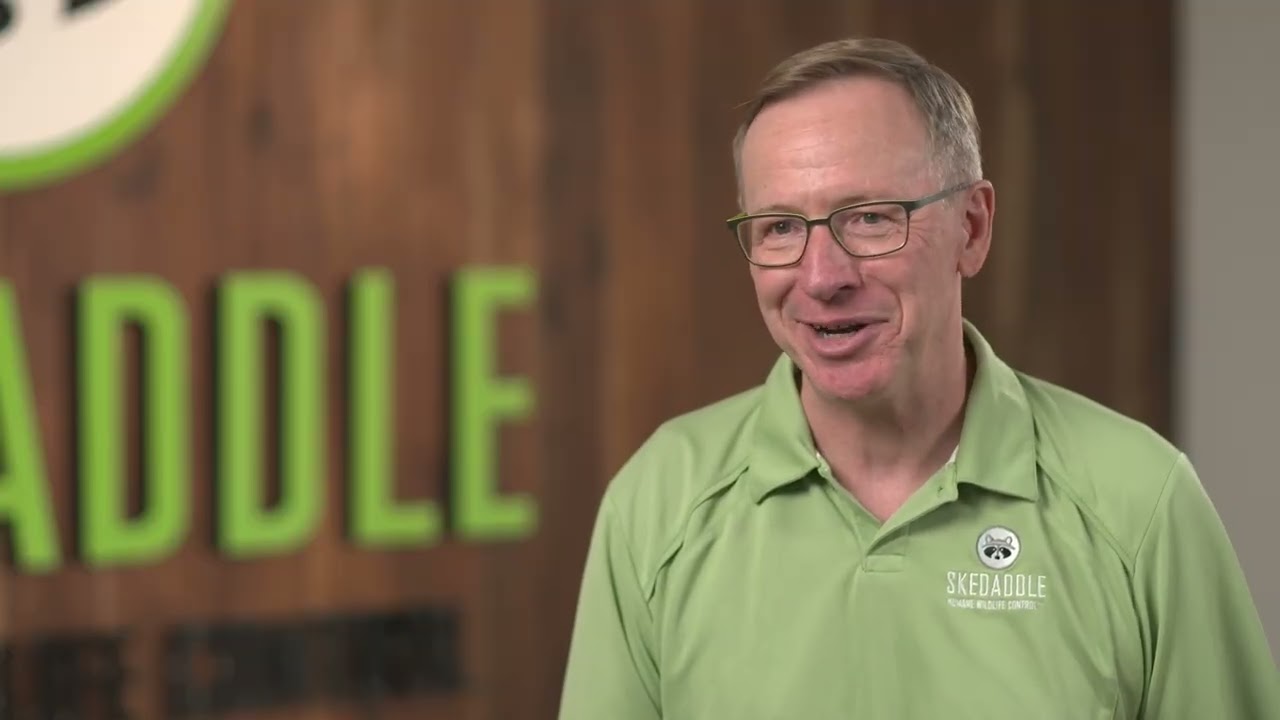
The Mission Behind Skedaddle: Since 1989
Founder Bill Dowd on why “trap and relocate” fails the homeowner and the animal — and the biology-based method Skedaddle built instead.
Wildlife Control & Pest Control in the GTA
Skedaddle GTA is a full dual-service team. Both services below come with the same technicians, the same lifetime guarantee and the same humane, hands-on method.
Wildlife Control
The Greater Toronto Area gives wildlife plenty of room to live right beside you. Ravines, creek valleys, the Lake Ontario shoreline and mature street trees put dens and nest sites within reach of residential rooflines. Animals rarely force a new way in when an old one is open: soffit returns, roof and exhaust vents, chimney flashing and utility gaps do the job. What starts as noise overhead can become a widened hole, soiled insulation or a blocked vent. Each job starts with a full inspection to find how the animal got in. Where it suits the species, a one-way door lets it leave on its own, and we seal every opening with heavy-gauge material.

Mouse Removal
Mice are among the most common calls we take across the GTA, from downtown semis to new builds in Ajax and Pickering. They slip in at utility penetrations, dryer vents and the sill plate where the foundation meets the framing. Once they move indoors for the winter they stay, and house mice can breed throughout the year indoors. We seal those openings and clean up droppings in the same visit plan. Mouse removal in the GTA covers both steps.
Learn more about mouse removal →

Raccoon Removal
Raccoons cause the heaviest damage per incident of any species we handle. The City of Toronto notes they enter through uncapped chimneys, loose shingles and openings in roofs and eaves. Between March and July a mother may have young inside, so nothing gets sealed until every animal is out. Raccoon removal in the GTA explains how we reunite mothers and kits.
Learn more about raccoon removal →

Squirrel Removal
Squirrels chew their way in rather than waiting for a gap, so our sealing uses heavy-gauge material that holds up to gnawing. Mature canopy along the ravines and older streets puts branches within jumping distance of many GTA rooflines. The usual failure points are roof edges, gable vents, fascia boards and the joint where a dormer meets the main roof. Squirrel removal in the GTA walks through our exclusion sequence.
Learn more about squirrel removal →

Rat Removal
Rats leave bigger openings and heavier damage than mice, and the work starts at ground level. The City of Toronto notes rats live in burrows near buildings, prefer narrow paths along walls and fences, and may travel up to 100 feet from a burrow. We seal foundation cracks, service-line gaps and burrow access, then plan for gnawing pressure. Rat removal in the GTA sets out the plan.
Learn more about rat removal →
Bat Removal
Bats get in at the roof peak, along chimney flashing and around dormers, often without leaving visible damage. Timing is set by the province, not by us. The Ontario MNR bat exclusion guide restricts exclusion from mid-May to mid-August, when flightless pups would be trapped inside. Bat removal in the GTA explains how we plan around that window.
Learn more about bat removal →

Bird Removal
Starlings, sparrows and pigeons nest in dryer and bathroom exhaust vents, behind soffits and under rooftop equipment. In a city of condos and towers, pigeons also settle on ledges, balconies and sills. A blocked vent is a moisture and airflow problem, not just noise, and the vent assembly often needs replacing rather than clearing. Bird removal in the GTA covers nest removal and screened vent replacement.
Learn more about bird removal →

Skunk Removal
Skunk calls are fewer, but they are rarely calm ones. Skunks den under decks, sheds, porches and front steps, especially where a raised structure leaves open ground beneath it. Skunks are poor climbers, so our exclusion works at grade: we dig a screen barrier below the surface so the animal cannot tunnel back in. Skunk removal in the GTA explains the barrier method.
Learn more about skunk removal →Seeing wildlife signs? See the GTA wildlife and pest calendar for seasonal timing, or book an inspection now.
Wildlife (289) 801-0601Pest Control
Our pest work runs on the same logic as our wildlife work. We identify the species precisely, treat the active population with targeted product rather than blanket spraying, then remove the conditions and openings that let it settle in. Our products are eco-friendly formulations, including borax and chrysanthemum flower extract, placed only where they are needed. For ongoing protection, our Four Seasons Pest Control program gives homes and businesses four visits a year, each aimed at that season's pests. GTA restaurants, offices and warehouses can also get a custom commercial service plan that meets LEED certification requirements as well as GMP and third-party standards. The six pests below cover most of our pest calls here.

Wasp and Hornet Control
Wasp and hornet nests turn up in soffits, wall voids, under decks and in ground cavities in lawns and gardens. Nests grow through the summer and become most aggressive late in the season, which is when most calls come in. We remove the nest, treat the site so it is not quickly recolonized, and screen the void so it is not reused next year. Wasp control in the GTA covers nest removal.
Learn more about wasps control →
Cockroach Control
Cockroaches favour warm, dark, damp spaces such as kitchens, bathrooms and basements. In the GTA's apartments and condos, they also travel between units along shared plumbing, electrical and ventilation runs, which is why one unit rarely stays the only one. Because they spread bacteria as they move, disinfection is part of our work rather than an add-on. Cockroach control in the GTA covers baiting and cleanup.
Learn more about cockroaches control →

Bed Bug Control
Bed bugs travel in on luggage, clothing and used furniture, then hide in mattress seams, bed frame joints and upholstery. They hide well during inspections, and in multi-unit buildings they can move between suites, so one treatment rarely finishes the job. Our plan combines HEPA vacuuming, targeted application and repeat inspections until monitoring comes back clear. Bed bug control in the GTA sets out the plan.
Learn more about bed bugs control →

Ant Control
Ants are colony insects, so spraying the workers you can see does little and can push the colony deeper into the structure. Real control means reaching the queen and the brood, which is why baits carried back to the nest are our main tool. Carpenter, pavement and odorous house ants are the usual culprits in GTA homes. Ant control in the GTA covers identification and baiting.
Learn more about ants control →

Spider Control
Most spiders in GTA homes are harmless, but webs in basements, garages, window wells and along rooflines usually point to the insects they are feeding on. That is why we treat the webs and the places spiders shelter, then seal the gaps around windows, doors and utility lines that let both spiders and their prey inside. Spider control in the GTA covers treatment and sealing.
Learn more about spiders control →

Mosquito Control
Mosquitoes breed in standing water, so clogged eavestroughs, birdbaths, planters and old tires around a yard can keep a property busy all summer. During the day, adults rest in shade under decks and in dense shrubs. We treat those resting areas and point out the breeding spots to clear, and winter is a good time to fix drainage before spring. Mosquito control in the GTA covers yard treatments.
Learn more about mosquitoes control →Seeing pest signs? See the GTA wildlife and pest calendar for seasonal timing, or book a pest inspection now at (855) 878-7859.
Pest (855) 878-7859Not sure if it's wildlife or pest?
One inspection can cover both wildlife and pest issues, because rodent and insect problems often share the same entry gaps and moisture conditions. Our GTA technicians identify what you're dealing with and give you the humane, permanent fix — no guesswork, no poison.
GTA Wildlife and Pest Calendar
Pressure across the GTA follows a steady yearly cycle shaped by cold winters, humid summers and the moderating effect of Lake Ontario. Rodents are settled indoors through winter, wildlife dens and raises young in spring, and insect activity peaks between June and September.
| Quarter | Most active | What homeowners notice |
|---|---|---|
| Winter (Dec–Feb) | Mice and rats indoors, raccoons resting in attics and starting to mate, skunks denned up, big brown bats hibernating in buildings, cockroaches and bed bugs | Sounds in walls, insulation damage, kitchen and basement sightings |
| Spring (Mar–May) | Raccoon kits, squirrel nesting, bats returning to roosts, early ants | Attic and chimney noise, daytime sightings, ant trails indoors |
| Summer (Jun–Aug) | Bat maternity period, wasps and hornets, mosquitoes, juvenile squirrels, skunks | Nests in soffits and lawns, bats indoors, odour under decks |
| Fall (Sep–Nov) | Mice and rats moving indoors, squirrels and raccoons looking for winter dens, bats leaving maternity roosts, late-season wasps | Scratching in walls and attics at dusk and dawn, droppings in basements and garages, large wasp nests |
Regulatory note. Bat exclusion is restricted during the maternity period from mid-May to mid-August under the Ontario MNR bat exclusion guide. Live-captured wildlife may not be released more than one kilometre from where it was caught under Ontario's wild animal rules. Both rules shape how we schedule work.
This quarter in the GTA — winter 2026–27. Winter is the quiet season outside and the busy one inside. Mice and rats that got in are now nesting in walls and basements, and they keep breeding through the cold. Raccoons have cut their activity sharply for a winter rest, but their mating season starts as early as January, and kits are born in spring. Skunks breed in February and March and often reuse the same winter den year after year. That makes now the time to seal rooflines, vents and the ground beneath decks, before mothers settle in with young. For bats, the Ontario MNR bat exclusion guide calls December to the end of March a good time to bat-proof a building, but only once you are sure no overwintering bats remain inside. We confirm that before anything is sealed.
Suburbs and Neighbourhoods the GTA Serves
Our territory follows the lakeshore from Burlington and Oakville in Halton Region, through Mississauga in Peel Region and the City of Toronto, then east into Durham Region through Pickering, Ajax, Whitby and Oshawa. To the north it reaches York Region communities including Markham and Newmarket. Every community below is served by the same crews on the same schedule.
Where you live changes what we look for, but not how carefully we look. A Victorian semi in Leslieville, a post-war bungalow in Scarborough, a 1980s two-storey in Erin Mills and a new build in north Whitby each fail in different places. Our inspection follows your home's construction rather than a checklist: soffit returns and fascia on older rooflines, ridge and gable vents on newer ones, and foundation and utility gaps on all of them.
Suburb Pages
Serving your neighbourhood
Our GTA technicians cover the whole region, from Burlington, Oakville and Mississauga through Toronto, North York and Scarborough to Markham, Newmarket, Pickering, Ajax, Whitby and Oshawa.
Skedaddle's Three-Step Wildlife Removal Process

Assess And Remove
We begin with a detailed inspection of your home to identify the wildlife, locate active entry points, and assess the extent of the problem. Our technicians then use proven, species-appropriate methods to remove animals safely and humanely.
Learn more
Clear And Clean
After the animals are removed, we clean and decontaminate affected areas, removing nesting materials, droppings, and other traces left behind. When needed, we also address damaged insulation and help restore the space to a clean, healthy condition.
Learn more
Prevent And Protect
Finally, we identify vulnerable areas and seal confirmed or potential entry points to help prevent wildlife from returning. Our durable exclusion work carries a lifetime guarantee on all workmanship and materials.
Learn moreHow Skedaddle Handles Wildlife and Pests Responsibly
One-way doors and exclusion, not lethal removal
We remove wildlife alive. Where the species and the entry point make it appropriate, a one-way door lets an animal leave on its own and blocks it from coming back, which avoids the stress and injury risk of trapping. The permanent fix is the seal, not the removal, so we close every opening before we sign off.
Reuniting mothers with young
Spring and summer removals often involve dependent young, from raccoon kits in the attic to squirrel litters in the soffit. Our technicians hand-retrieve the young, place them in a heated reunion box near the original entry, and let the mother move them to a new den herself.
Decontamination and attic restoration
Wildlife and rodents leave droppings, urine, parasites and soiled insulation behind. We remove the contaminated material, clean and disinfect the space, and replace insulation where needed through our attic restoration service so your attic returns to its original thermal performance.
Targeted treatment, not blanket spraying
Our pest work puts accurate identification and placement ahead of volume. Baits go where colonies will carry them, product goes into harbourage and resting sites rather than across open surfaces, and our formulations are eco-friendly.
A lifetime guarantee behind the seal
Every opening we seal carries a lifetime guarantee on all workmanship and materials. That is the standard our inspection is built to meet, and the reason we document every opening before we quote.
Ready to book?
Every sealed opening carries a lifetime guarantee on all workmanship and materials. Book an inspection and we'll identify what you're dealing with before any work begins.
Skedaddle GTA: Service Area and Contact
- Toronto (North York, Scarborough)
- York Region (Markham, Newmarket)
- Durham (Oshawa, Whitby, Ajax, Pickering)
- Halton & Peel (Burlington, Oakville, Mississauga)
Frequently asked questions about GTA wildlife removal
Does Skedaddle handle both wildlife removal and pest control?
Skedaddle handles both wildlife removal and pest control in the GTA. One local team covers wildlife — mice, raccoons, squirrels, rats, bats, birds and skunks — and six pests: wasps and hornets, cockroaches, bed bugs, ants, spiders and mosquitoes, with commercial service plans and the Four Seasons program for ongoing protection. The two services share one local team but use separate phone lines, and one inspection can cover both, because rodent and insect problems often share the same gaps and moisture conditions.
How much does wildlife removal cost?
Wildlife removal in the GTA has no flat price, and we won't guess at a quote over the phone. Cost depends on the species, how many entry points need sealing, how much material the seal takes, and whether cleanup or insulation replacement is needed. Your technician gives you an itemized written quote on site before any work starts.
Is wildlife removal regulated in Ontario?
Wildlife removal in Ontario is regulated by provincial law. The Fish and Wildlife Conservation Act, 1997 governs how wildlife may be handled, and Ontario's wild animal rules require live-captured animals to be released within one kilometre of where they were caught. The province also publishes bat exclusion guidance, which we follow on timing.
Will the City of Toronto remove wildlife from my home?
The City of Toronto does not remove healthy wildlife from private homes in most cases. Toronto Animal Services responds only to sick, injured or distressed wildlife and stray domestic animals. For a healthy animal living in your attic, deck or walls, the City's wildlife trapping page says property owners can hire a wildlife agent to remove it.
Can bats be removed from my home in the summer?
Bats can't be removed from a home during the summer maternity period. From mid-May to mid-August, flightless pups are in the roost and sealing it would trap them inside, so the Ontario MNR bat exclusion guide restricts exclusion. We can keep bats out of your living space and plan the work, then complete the exclusion after mid-August.
Do you relocate animals far away from my property?
We don't relocate animals far from your property, because Ontario law doesn't allow it. Live-captured wildlife must be released within one kilometre of where it was caught under Ontario's wild animal rules. Our method makes distance beside the point: because every entry point is permanently sealed, an evicted animal has no way back in.
What does the lifetime guarantee actually cover?
Skedaddle's lifetime guarantee covers all workmanship and materials. If an entry point we sealed fails, we come back and repair it. The guarantee applies to our exclusion work, which is why the inspection documents every opening before the quote is written, not after.
Do you clean up after the animals are removed?
Skedaddle cleans up after every wildlife removal. We remove droppings, urine, nesting material and parasites, clean and disinfect the affected space, and replace soiled attic insulation where the damage requires it. Restoring your attic's thermal performance is part of the job, not a separate trade you have to arrange.
Are pest treatments safe around children and pets?
Skedaddle's pest treatments are designed to be safe around children and pets. We use eco-friendly formulations, including borax and chrysanthemum flower extract, and apply them to targeted harbourage and resting sites rather than spraying across your living space. Your technician will tell you which areas were treated and how long to keep children and pets away.
GTA Wildlife Resources & Guides
-
 Mice
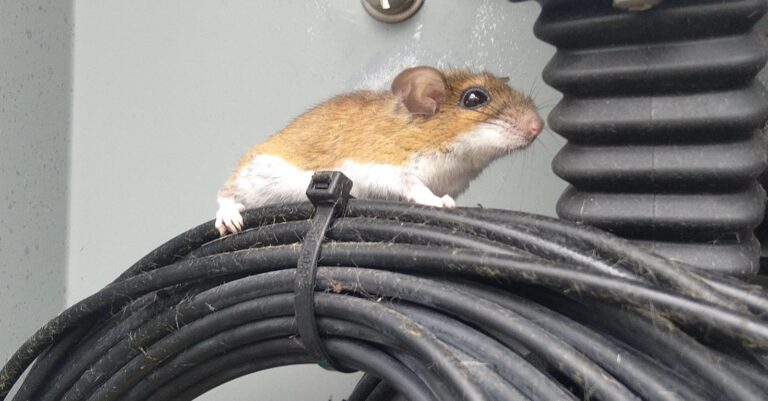
What Older Oshawa Homes Can Reveal About a Mouse Problem
What an older home can reveal about a mouse problem, from foundation gaps to droppings in the basement.
Read article -
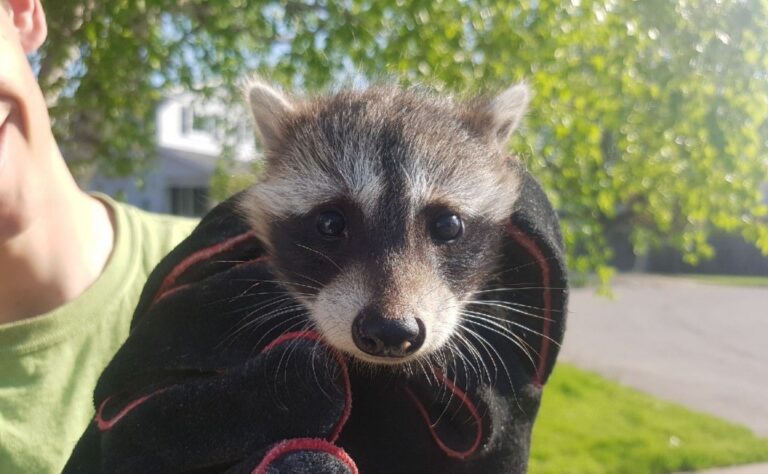 Raccoons
Will Raccoons Leave Your Home Once Their Babies Grow Up?
Whether raccoons leave on their own once their babies grow up, and why waiting rarely solves the problem.
Read article -
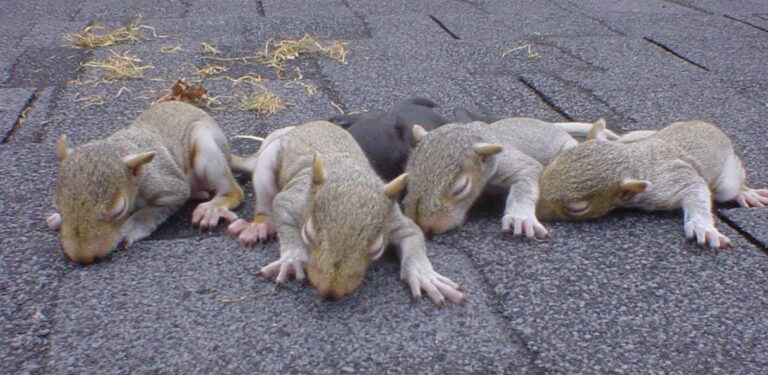 Squirrels
Spotting Squirrels On Your Roof? Should You Worry?
What squirrels on your roof can mean and when it is time to have the roofline inspected.
Read article -
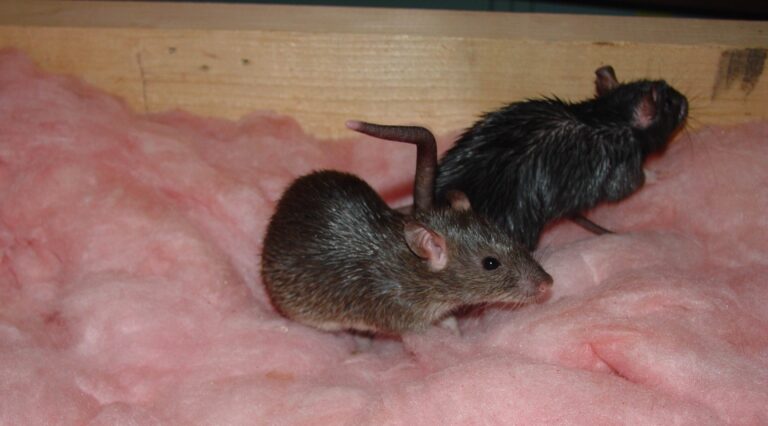 Rats
Are Rats Really Dangerous? Do You Need Removal?
How dangerous rats really are around a home and when professional removal is needed.
Read article -
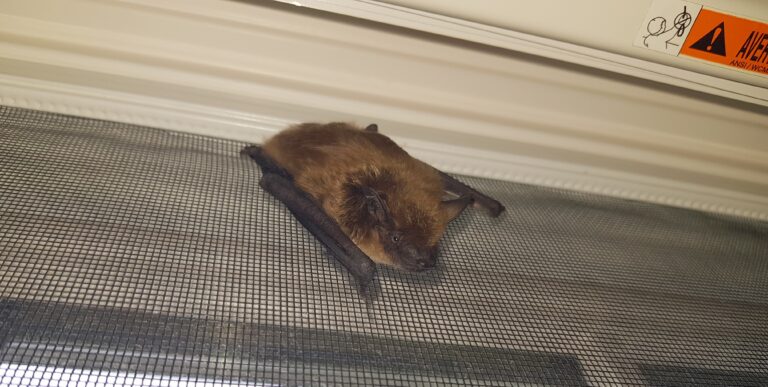 Bats
Why New Construction Homes Still Get Bats
Why newly built homes still get bats, and the small gaps that let them in.
Read article -
 Birds
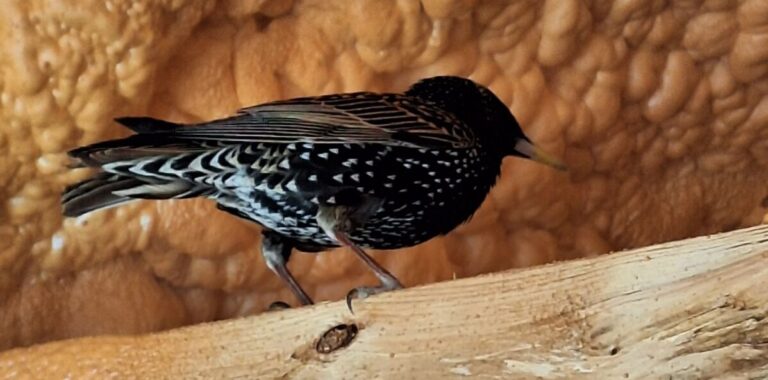
When Birds Move Into the Vents: The Hidden Summer Nesting Problem in Your Home
What happens when birds nest in dryer and bathroom vents over the summer, and how to fix it.
Read article -
 Skunks
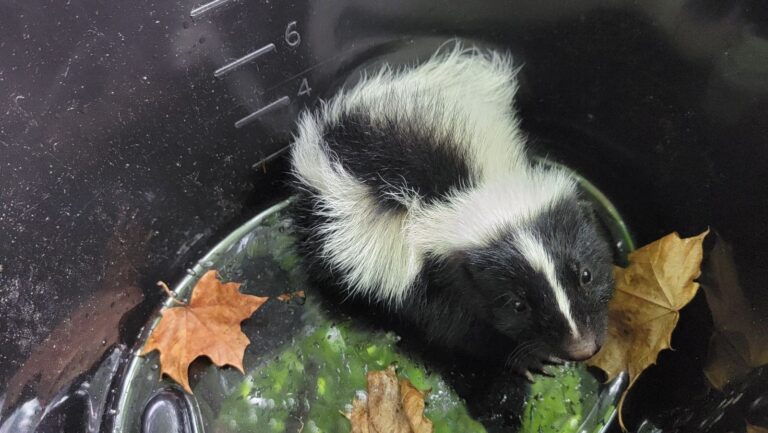
Preventing Skunks From Burrowing Near Homes in December
How to stop skunks from burrowing under decks and sheds before they settle in for winter.
Read article -
 Wildlife
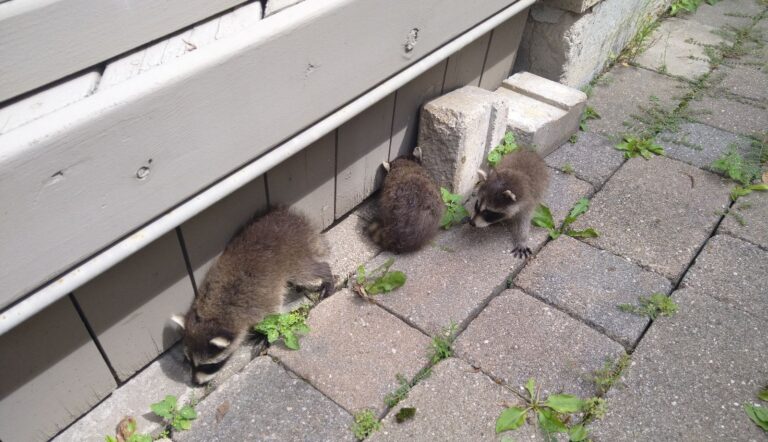
Can Birds, Raccoons or Squirrels Cause Problems on Condo Balconies?
How birds, raccoons and squirrels cause problems on condo balconies and what owners can do.
Read article -
 Wildlife
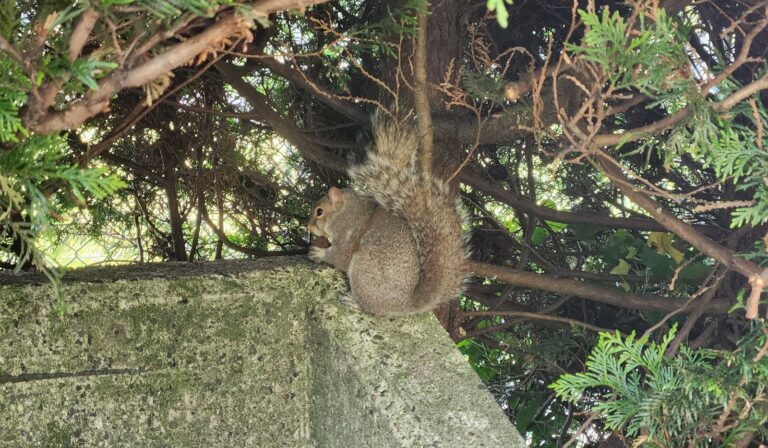
Why Oakville Homes Near Ravines Need a Different Wildlife-Prevention Plan
Why homes backing onto ravines need a different wildlife prevention plan.
Read article -
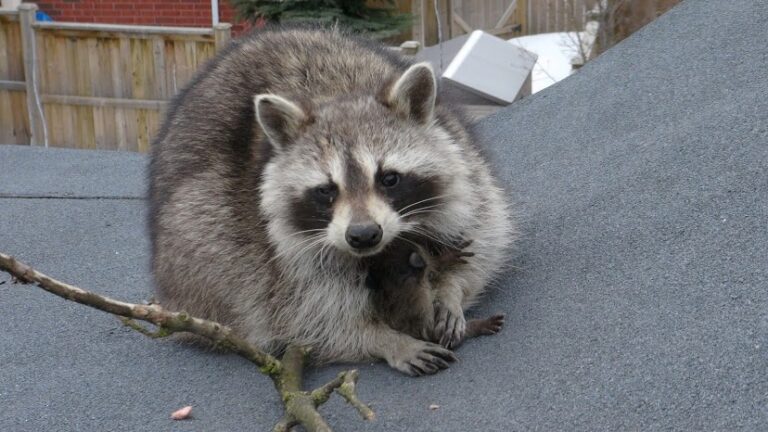 Raccoons
North York Wildlife Control: Raccoons Have Superpowers
The traits that make raccoons so good at getting into homes, and what that means for prevention.
Read article
Book your inspection today
Whether you hear scratching above the bedroom ceiling, find droppings behind the kitchen cupboards, smell skunk under the deck or watch wasps come and go from the soffit, the next step is the same: a full inspection before anyone quotes a price. Your technician confirms the species, finds every opening and writes an itemized plan on site. Removal is humane, treatment is targeted, and the sealing carries a lifetime guarantee on all workmanship and materials.
