






Wildlife problems in Columbus don’t start big, but they escalate quickly. What begins as a faint scratching sound in the attic or a small gap near your roofline can turn into a full infestation in a matter of weeks. As Skedaddle technicians working throughout the region, we see firsthand how Ohio’s climate and urban growth create the perfect conditions for animals like raccoons, squirrels, mice, bats, and skunks to move into homes and businesses.
These animals aren’t just passing through, they’re looking for shelter, warmth, and a safe place to raise their young. Your attic, walls, and crawl spaces provide exactly that. That’s where we come in.
Safe, Humane Wildlife Control
At Skedaddle Humane Wildlife Control, we specialize in safe, humane, and permanent wildlife removal solutions tailored specifically to Columbus properties. We don’t rely on quick fixes or temporary measures. Instead, we use proven methods that remove animals without harm and prevent them from coming back.
If you’re dealing with unwanted wildlife, or even suspect a problem, now is the time to act. The longer animals stay inside your home or business, the more damage they cause.
Call Skedaddle today to schedule a professional inspection and protect your property for good.
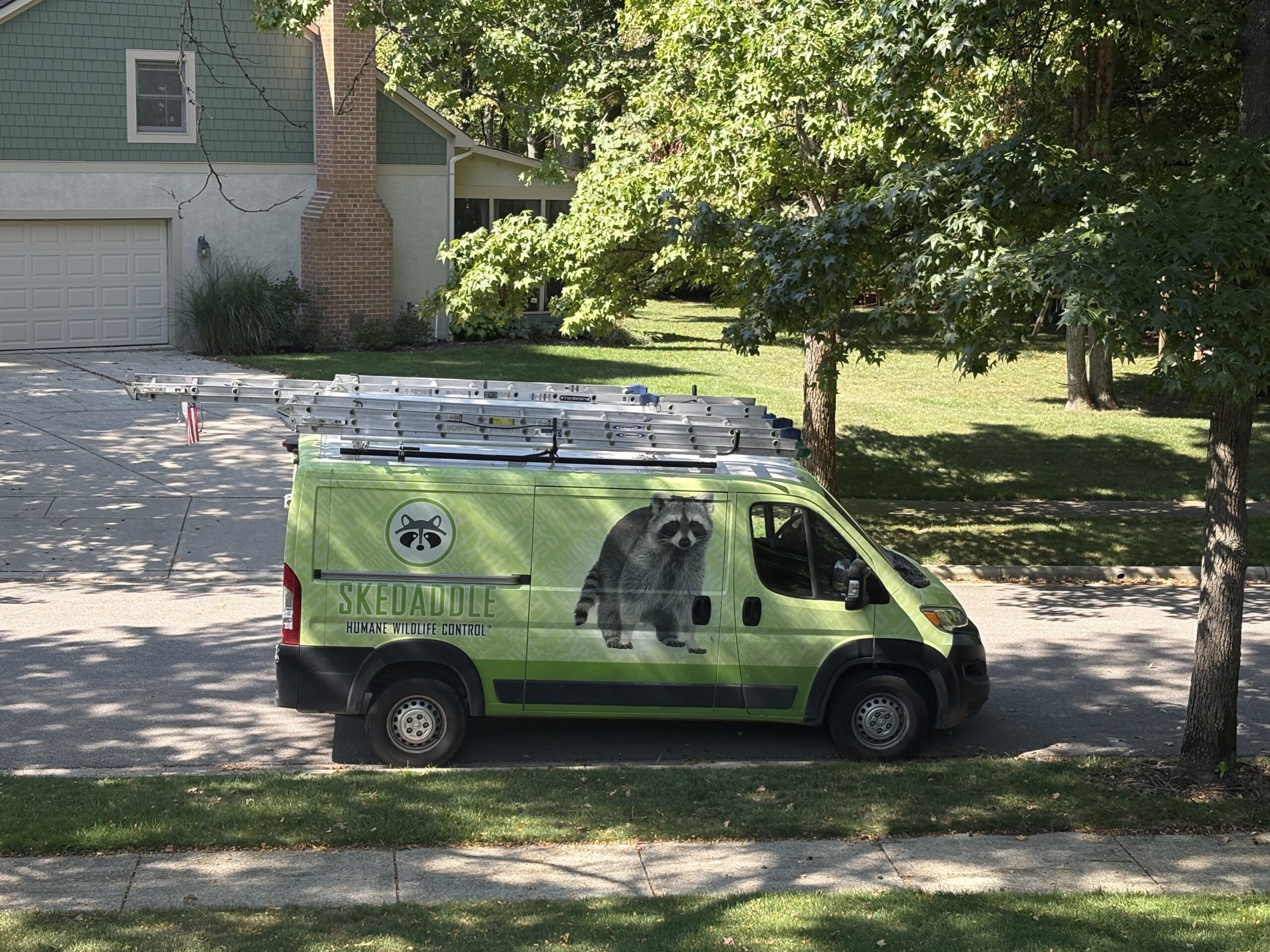

Wildlife Challenges in Homes and Businesses
Columbus is a vibrant, growing city, but it also provides ideal conditions for wildlife to thrive. From older homes in Franklinton to suburban neighborhoods in Westerville and Upper Arlington, animals are constantly searching for food, warmth, and shelter.
As Skedaddle technicians, we regularly respond to:
- Mice and rats entering homes through tiny gaps and multiplying quickly
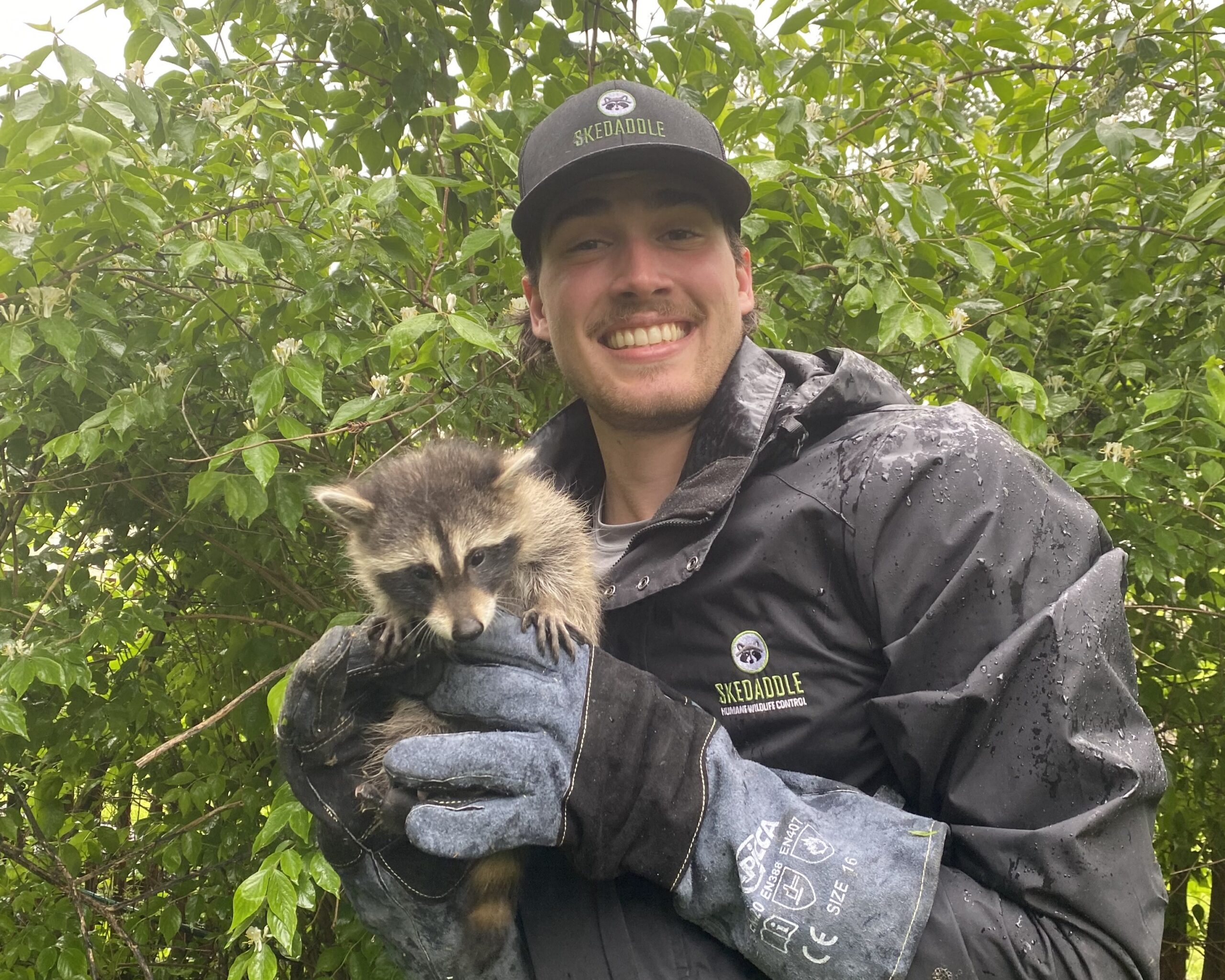
- Raccoons breaking into attics and damaging insulation
- Squirrels chewing wiring and creating fire hazards
- Skunks digging under decks and sheds
- Birds nesting in vents and soffits
- Bats roosting in attics and wall voids
Urban development has pushed wildlife closer to residential spaces. Combined with Ohio’s seasonal changes, this leads to year-round wildlife activity.
Seasonal Animal Activity and Risks
Wildlife activity in the area shifts throughout the year, and these seasonal changes play a major role in when and how animals enter homes and businesses. As Skedaddle technicians, we see clear patterns tied to temperature, breeding cycles, and food availability. Understanding these patterns helps explain why infestations occur and why certain times of year, especially spring and fall, are particularly active.
Many property owners don’t realize there’s a problem until noises become persistent, unpleasant odors start to develop, or visible damage begins to appear. By the time these signs are noticeable, the infestation is often already well established. That’s why early intervention is critical.
Spring: Baby Season Begins
Spring marks one of the busiest times for wildlife activity in Columbus. As temperatures rise, animals begin their breeding season and actively search for safe, sheltered spaces to give birth and raise their young. Attics, soffits, and wall cavities become ideal nesting environments because they offer warmth, protection from predators, and minimal disturbance.
During this time, raccoons commonly establish dens in attics, squirrels build nests and raise their young, birds move into vents and rooflines, and skunks settle under decks and sheds. In neighborhoods like Dublin, Grove City, and Sunbury, it’s not unusual for us to find entire litters hidden inside homes.
Spring also requires a specialized approach to removal. If a mother is removed without addressing her babies, it can lead to serious issues such as lingering odors, noise from trapped young, and additional damage as the mother attempts to get back inside. Our technicians are trained to safely remove and reunite wildlife families, ensuring a humane and complete solution.
Summer: High Activity and Growth
As summer arrives, young animals begin to grow and explore their surroundings. This increased activity often leads to more noticeable signs of wildlife presence, including louder noises, more frequent sightings, and continued use of residential structures for shelter.
Although food sources are more abundant during the summer months, competition also increases. Animals continue to rely on homes for protection, especially in more densely populated areas like Upper Arlington and Franklinton. Even small, previously unnoticed entry points can quickly turn into larger problems as animals expand openings to maintain access.
Summer is also a critical time for addressing infestations before they worsen. What may seem like a minor issue can rapidly escalate if left untreated.
Fall: Preparation for Winter
Fall is a transitional season when wildlife begins preparing for colder weather. Animals instinctively search for warm, secure spaces where they can shelter through the winter months. This leads to a noticeable increase in wildlife attempting to enter homes and buildings.
Rodents such as mice and rats begin moving indoors in large numbers, squirrels start storing food in attics, and raccoons seek out insulated areas to nest. Homes in Westerville, Hilliard, and Upper Arlington are particularly vulnerable due to nearby trees and green spaces that provide easy access to rooftops.
If entry points are not properly sealed during the fall, animals can establish themselves before winter arrives, making infestations more difficult to manage later on.
Winter: Shelter and Survival
Winter does not mean wildlife disappears, it means they are already inside. Once animals gain access to a home, they tend to remain there throughout the colder months, relying on the warmth and protection it provides.
During this season, property owners often notice scratching sounds in walls or ceilings, movement in attic spaces, and occasional thumping noises. Rodents are especially active in winter, and because they reproduce quickly, even a small presence can grow into a significant infestation.
Winter infestations tend to be less visible but more entrenched, making professional removal and prevention essential to avoid ongoing issues.
What Sets Skedaddle Apart?
When it comes to wildlife removal, not all services are the same. As Skedaddle technicians, we take pride in offering solutions that are humane, thorough, and long-lasting.
Here’s what sets us apart:
- Humane-first approach – We never rely on harmful methods
- Full home inspection – We identify all entry points and vulnerabilities
- Permanent solutions – Not just removal, but prevention
- Experienced technicians – Trained in species-specific behaviorClean-up and restoration – We repair damage and restore your space
In communities like Westerville, Delaware, Hilliard, and Whitehall, homeowners trust us because we solve the root of the problem, not just the symptoms.
We understand local wildlife patterns and how local properties are built, allowing us to deliver highly effective results.
How We Safely Remove Wildlife From Your Property
At Skedaddle, humane wildlife removal is more than just a service, it’s a complete, carefully structured process designed to solve the problem at its source. As technicians working across Columbus, including Westerville, Franklinton, Hilliard, and Upper Arlington, we’ve seen how quickly a small wildlife issue can turn into a serious infestation. That’s why our approach focuses not only on removing animals safely, but also on preventing them from coming back.
We don’t rely on temporary fixes or outdated methods. Instead, we use a proven system built on experience, attention to detail, and a deep understanding of animal behavior.
Detailed Inspection and Problem Identification
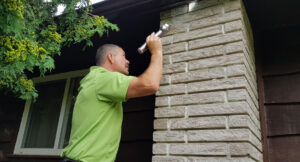
Every job begins with a thorough inspection of your property. This step allows us to fully understand the extent of the infestation and identify exactly how animals are getting inside.
During our assessment, we carefully examine key areas such as rooflines, vents, soffits, attics, and foundations. We look for subtle signs that often go unnoticed, including:
- Small gaps or openings that animals can exploit
- Nesting materials and droppings
- Damage to insulation, wiring, or structural elements
- Tracks, grease marks, or entry patterns
This detailed approach ensures we don’t miss anything. Even a small overlooked entry point can lead to a recurring problem.
Humane Removal with One-Way Doors
Once we’ve identified the main access points, we install our specialized one-way doors. These devices are a cornerstone of our humane removal method and are designed to work with the animal’s natural behavior.
The process is simple but highly effective. Animals are able to leave the space as they normally would, but they cannot re-enter once they’ve exited. This eliminates the need for trapping or relocating, which can often cause stress and create additional problems.
When baby animals are involved, especially during the busy spring season, we take extra care. Our technicians:
- Carefully locate and remove the young by hand
- Place them in a safe, secure reunion box outside
- Allow the mother to retrieve and relocate them naturally
This ensures the entire family leaves together and prevents the complications that occur when young are left behind.
Cleaning and Decontamination
After the animals have been safely removed, we address the contamination they leave behind. Wildlife can create unhealthy living conditions due to droppings, urine, and nesting debris, all of which can impact air quality and overall safety.
Our team removes contaminated materials and thoroughly sanitizes the affected areas. This process helps eliminate bacteria, odors, and potential health hazards while restoring your space to a clean and safe condition.
Sealing and Prevention
The final step is what truly sets our service apart, long-term prevention. Without properly securing your property, wildlife will often return or new animals will find their way in.
We reinforce vulnerable areas and seal all entry points identified during the inspection. This may include:
- Securing vents and roof openings
- Repairing damaged soffits and fascia
- Sealing gaps along foundations and exterior walls
By addressing both current and potential access points, we make your home far less attractive and accessible to wildlife in the future.
Our process is designed to be thorough, humane, and effective from start to finish. As Skedaddle technicians, we take pride in delivering solutions that not only remove wildlife safely but also protect your property for the long term.

Local Health and Safety Risks
Wildlife infestations are more than just a nuisance, they pose real health and safety concerns.
As technicians, we’ve seen firsthand how quickly these risks escalate.
Health Risks
Wild animals can carry diseases that affect humans and pets, including:
- Rabies (raccoons, bats, skunks)
- Leptospirosis (rodents)
- Histoplasmosis (bat and bird droppings)
- Salmonella (rodents and birds)
Airborne contaminants from droppings can spread through HVAC systems, affecting indoor air quality.
Structural Damage
Wildlife can cause serious and costly damage to your home or business once they gain access. As animals move through attics and walls, they often chew on electrical wiring, creating a significant fire hazard. Insulation is frequently torn apart or compressed as they build nests, reducing your home’s energy efficiency. Entry points such as vents and roofing can become damaged or widened, allowing even more animals to get inside. Over time, attic spaces can also become heavily contaminated with droppings and urine, leading to unpleasant odors and potential health concerns.
Safety Concerns
Encounters with wildlife can become dangerous, especially if animals feel threatened or are protecting their young.
In areas like Hilliard, Westerville, and Upper Arlington, where homes are close to green spaces, these risks are even more common.
Protect Your Property With Skedaddle
Wildlife problems don’t resolve themselves, they grow. The longer animals remain inside your home or business, the more damage they cause.
At Skedaddle Humane Wildlife Control, we provide expert, humane solutions tailored to properties. No matter where you are in Columbus, our team is ready to help.
Don’t wait until the problem gets worse. Contact Skedaddle today for a professional inspection and lasting peace of mind.
Columbus Insights
Why the Humane Approach Is Best for Wildlife
How Does Wildlife Create Entry Points Into Our Homes?