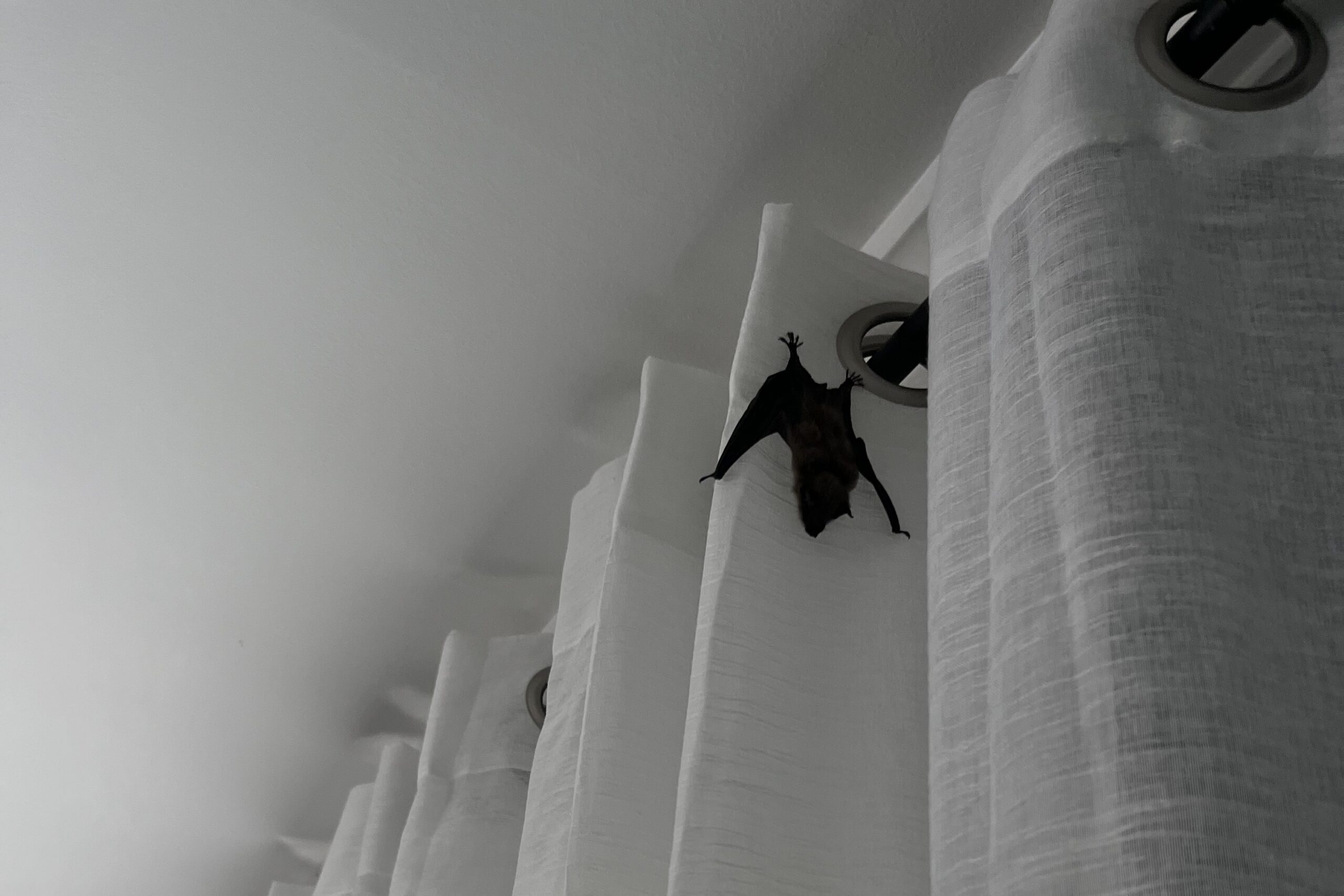
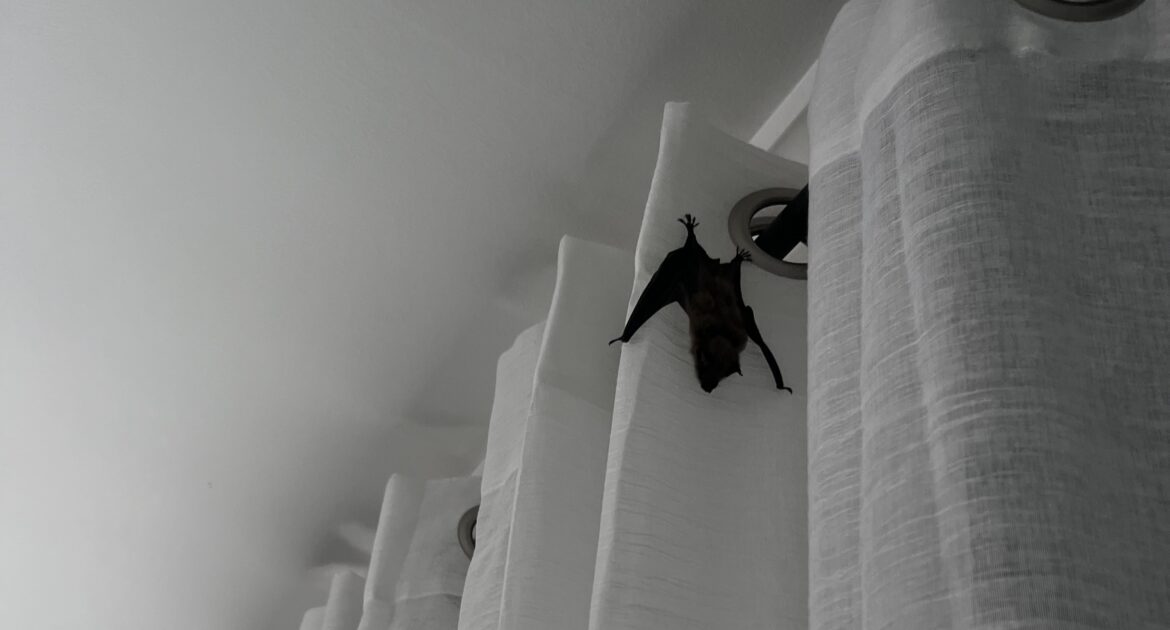
Finding a bat in your home can be a frightening experience. Most homeowners have never dealt with a bat flying inside or roosting in their attic, and it’s natural to wonder what to do next. Knowing how to respond safely is essential for protecting yourself, your family, and the bat itself. Understanding what to do with a bat in the house can help you act calmly and responsibly.
At Skedaddle Humane Wildlife Control in Gahanna, we work with homeowners to handle bats safely and humanely. Our professional guidance ensures that homeowners know how to respond without putting themselves or the bat at risk, while also preventing future issues.
Why Bats Enter Homes
Bats are wild animals that usually avoid humans, but sometimes they find their way inside. They may enter homes accidentally through open windows or small gaps, or in some cases, they are seeking shelter during seasonal changes.
- Bats in the U.S. belong to approximately 45 species, though only a few are commonly found near homes.
- They are nocturnal and are usually looking for dark, quiet spaces like attics, rooflines, or behind walls.
- Seasonal changes, such as the cooler months, can make homes more attractive as potential roosts.
By understanding why bats enter, homeowners can better anticipate encounters and take steps to reduce the chance of a bat entering living spaces.
Health Considerations With Bats
Although most bats are not aggressive, they can carry diseases, including rabies. Contact, such as a bite or scratch, can pose a health risk. This makes knowing what to do with a bat in the house essential for everyone in the household.
- The Centers for Disease Control and Prevention (CDC) reports that rabies exposure in humans from bats is uncommon but requires medical attention if direct contact occurs.
- Keeping children and pets away from a bat is important because they may not recognize the risk.
- Even indirect contact with surfaces or areas where a bat has roosted should be handled carefully.
Being aware of these health considerations reinforces why it is not safe to approach a bat without professional assistance.
Why You Should Avoid Approaching a Bat
One of the most common questions homeowners ask is whether it is safe to approach a bat. Handling a bat without training can increase the risk of injury to both the person and the animal.
- Bats have delicate wings and bones that can be easily damaged if handled improperly.
- Attempting to catch or chase a bat increases the likelihood of bites or scratches.
- Stress to the bat can cause unpredictable behavior, making the situation more dangerous.
At Skedaddle, we always recommend keeping a safe distance and contacting professionals instead of trying to resolve the situation on your own.
Immediate Steps to Take if You Find a Bat
If you notice a bat in your living space, there are safe steps you can take while waiting for professional guidance. These actions help contain the situation and minimize stress for both you and the bat.
- Keep pets and children away from the room where the bat is present.
- Close doors to contain the bat in a single area.
- Turn on lights to encourage the bat to move toward exits if possible.
- Avoid touching or attempting to chase the bat.
- If it is safe, open windows or doors to provide an escape route.
Following these steps ensures that homeowners are responding correctly while waiting for bat removal services.
How Professional Bat Services Help
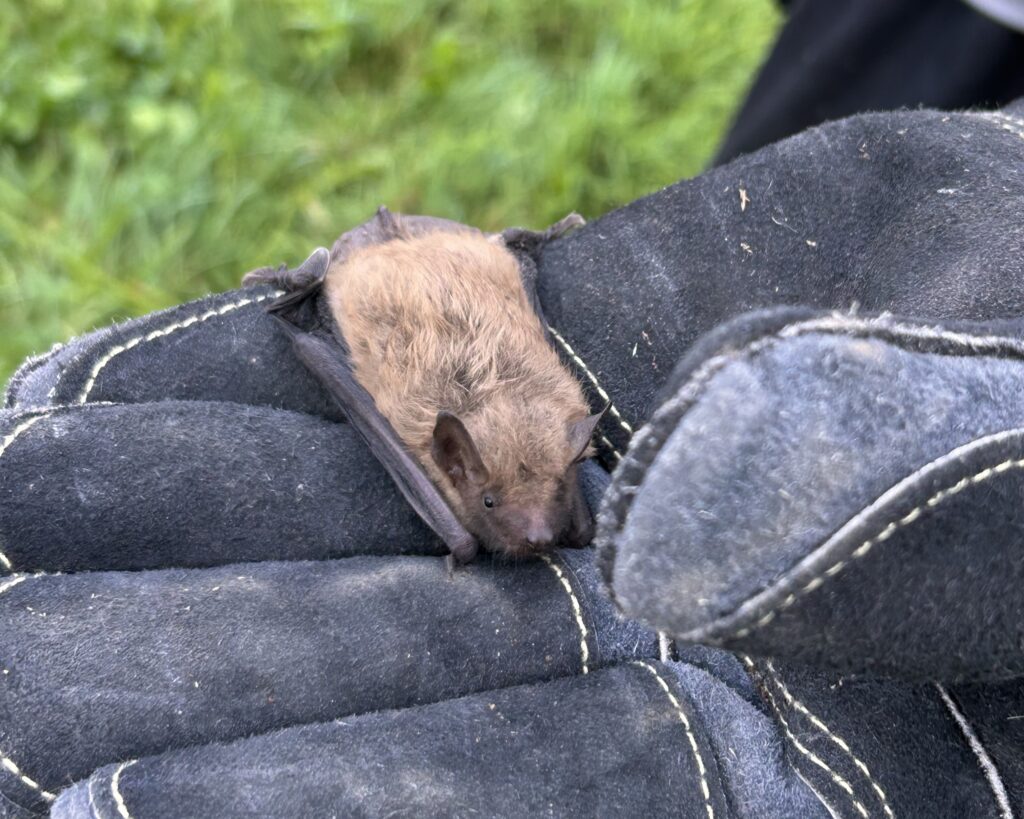
Professional wildlife control teams, such as Skedaddle in Gahanna, have experience managing bat encounters safely and humanely. Our approach ensures both the homeowner’s safety and the bat’s well-being.
- A thorough inspection identifies the entry points the bat may have used.
- We assess areas where bats might be roosting to prevent future incidents.
- Recommendations for property improvements, like screening vents and repairing roofline gaps, help avoid repeat problems.
Homes that receive professional attention are less likely to experience repeated bat intrusions, providing long-term peace of mind.
Preventing Bats From Entering Your Home
Prevention is a key part of maintaining a safe home and minimizing the chance of encountering bats in living spaces. Homeowners can take simple, proactive steps to reduce attractants while keeping wildlife safe.
- Seal cracks and gaps around windows, doors, and rooflines.
- Install proper screens on chimneys, vents, and attic openings.
- Keep outdoor lighting away from entrances to minimize insects that attract bats.
- Conduct regular inspections of attics, soffits, and other areas where bats could enter.
Routine preventive measures are much more effective than dealing with a bat after it has entered, and they keep your home safe without harming wildlife.
Long-Term Safety and Wildlife Protection
Understanding what to do with a bat in the house also means recognizing that humane treatment is possible while maintaining home safety. Bats are valuable members of the ecosystem, controlling insects and pollinating plants, so professional intervention protects both humans and animals.
- Early detection reduces property damage and minimizes risk of bites or scratches.
- Professional guidance ensures the bat is handled in a safe, humane way.
- Regular property inspections and maintenance prevent future issues.
By combining prevention with professional services, homeowners can maintain a safe and comfortable home while respecting local wildlife.
Key Takeaways for Homeowners
Encountering a bat in your home can be stressful, but knowing how to respond makes a big difference. Understanding what to do with a bat in the house helps keep everyone safe and ensures the bat is not harmed.
- Never attempt to touch or capture a bat yourself.
- Keep pets and children away from the area.
- Contact professional bat removal services for safe, humane management.
- Take preventive steps to reduce the chance of future bat intrusions.
Following these steps allows homeowners in Gahanna to respond calmly, protect their homes, and ensure wildlife is treated responsibly.

 Loading...