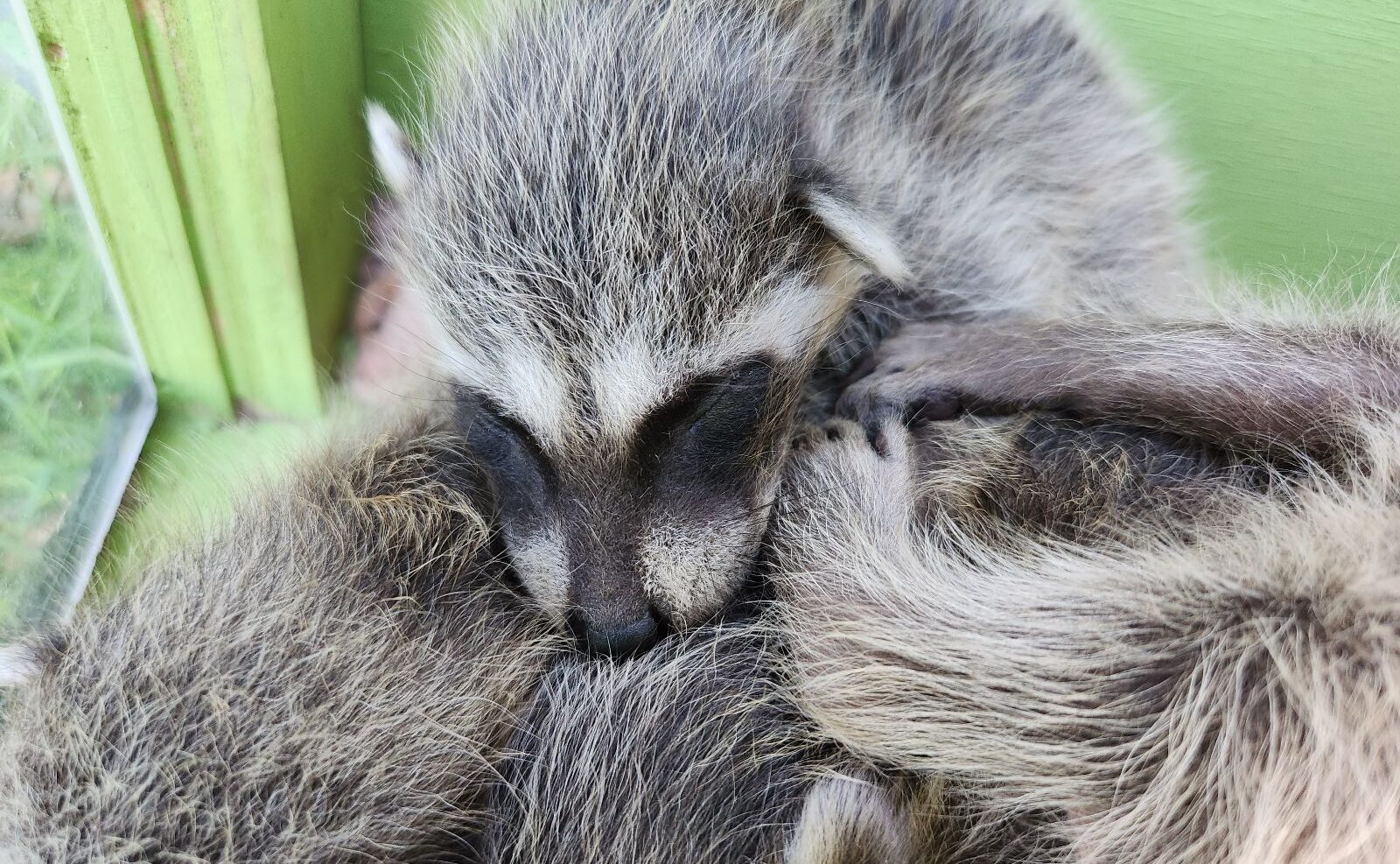
You notice your energy bills going up even though nothing has changed. You hear thumping above the ceiling at night. You catch a bad smell coming from somewhere above the living room. These things can feel unrelated until you open the attic hatch and see what has been going on up there. The insulation is flat, torn, and in some spots completely gone. There is a nest in the corner. And the smell is much worse up close.
Raccoons damage your home’s insulation by walking on it, tearing it apart, and using it as a bathroom. They are large and heavy, and the damage they cause builds up fast. Flat insulation cannot trap heat the way it should, which means your home loses temperature and your heating system has to work harder. Contaminated insulation cannot be cleaned. It has to come out completely and be replaced.
At Skedaddle Humane Wildlife Control in Hamilton, we deal with insulation damage from raccoons every season. In this blog, you will learn how these animals destroy attic insulation, why the damage is worse than it looks, and why calling our team early is the most important step you can take.
How Do Raccoons Get in a House?
Raccoons get into homes by finding weak spots along the roofline, loose soffit panels, worn vent covers, damaged fascia boards, and gaps where different building materials meet. They are strong and they do not give up easily. A gap that looks small from the ground is often large enough for raccoons to push or force their way through.
Once on the roof, they move along the roofline and test every surface they come across. Aging soffits, cracked vent covers, and worn wood trim are all targets. These animals can feel air coming through small gaps, which tells them there is a warm space on the other side. When they find a weak spot, they work at it until they get in.
In Hamilton, older homes with original wood soffits and aging roofline materials are especially at risk. Mature trees near the roofline give raccoons direct access to the roof. Once up there, they find plenty of weak spots on older homes. A full professional inspection of the roofline is the only reliable way to find every vulnerable spot before it becomes a problem, and our team does that as part of every job.
Trampling
Raccoons are large – adults can weigh between five and ten kilograms, and every step they take through your attic pushes the insulation flat. Here is what trampling does to your insulation:
- Their Weight Flattens Insulation Down to a Useless Layer: Insulation works by trapping tiny pockets of air between its fibres. Those air pockets slow down heat loss. When a heavy animal walks across insulation again and again, it squeezes out those air pockets and packs the fibres down flat. What was once thick and fluffy becomes a flat, hard layer that barely does anything. One season of regular foot traffic can reduce the effectiveness of your insulation by a lot.
- Travel Routes Create Permanent Flat Paths: Raccoons follow the same routes through an attic every time from the entry point to the nesting area and back. Those repeated paths create permanent flat channels in the insulation. The damage along these routes is often the worst because the same area gets walked on over and over.
- Flat Insulation Cannot Be Restored: Once insulation has been pushed flat by heavy foot traffic, it stays flat. The fibres do not bounce back. Putting new insulation on top of the damaged layer does not fix the problem underneath. Full removal and replacement is the only way to restore the attic to proper performance after significant trampling damage.
Tearing
Beyond the damage from walking, raccoons actively pull insulation apart to build nesting areas. Here is how that creates additional problems:
- They Pull Insulation Apart to Build a Nest: Raccoons do not just walk across the insulation; they reshape it to build a warm, sheltered nesting spot. They pull batts apart, push loose-fill material aside, and pack sections together to make a comfortable area. That reshaping leaves large gaps and holes in the insulation across the attic floor, creating areas with no heat protection directly above your living space.
- Shredded Insulation Gets Scattered All Over the Attic: When raccoons tear insulation apart, the pieces end up spread across beams, pushed against walls, and piled in corners. That scattered material is no longer covering the areas it needs to cover. Restoring proper coverage means removing all of the displaced material and putting in fresh insulation at the right depth across the whole affected area.
- The Nesting Area Is Almost Always the Worst-Damaged Spot: The area around the nest combines trampling, tearing, and soiling all in one spot. Insulation in and around the nest is usually completely ruined: flat, shredded, and soaked with droppings and urine. Our team maps the full extent of nesting damage during every inspection because what looks like a small nest can often be part of a much larger damaged area once the whole attic is checked.
Contamination
Insulation contamination from wildlife waste is one of the most serious consequences of a raccoon situation in your attic. Unlike the physical damage from trampling and tearing, contamination is not always easy to spot right away, but it creates health risks that go well beyond just replacing the insulation.
These animals pick specific spots in the attic to use as a bathroom and keep coming back to the same spots. Droppings and urine soak into the insulation and the wood and drywall below it. The contamination spreads out from those spots and affects a much larger area than the visible waste would suggest. By the time the smell comes through into the home, the contamination is usually already widespread.
The health risks from contaminated insulation are real. Raccoon droppings can carry a roundworm parasite that stays infectious for years and cannot be killed by regular household cleaners. When dry droppings are disturbed, tiny particles go into the air and can be breathed in without anyone realizing it. Anyone who goes into an attic with contaminated insulation without the right protective gear is at real risk. Homeowners should never try to handle contaminated insulation on their own. Call our team right away.
Moisture and Odour
Wildlife waste does not just create a health hazard; it also brings moisture into the attic that causes long-term damage and a lasting smell. Here is what moisture and odour from wildlife waste do to your home:
- Urine Soaks Into Wood and Drywall Below the Insulation: Urine soaks through insulation and into the wood and drywall below it, including roof decking, ceiling joists, and the ceiling above your living space. Once it is in the wood, it is very hard to fully remove. It causes staining, can lead to rot over time, and creates a strong ammonia smell that keeps coming through the ceiling even after the animals are gone. Without our professional treatment, the odour stays long after the insulation has been replaced.
- Accumulated Waste Creates Conditions for Mould Growth: The moisture from urine and droppings creates the right conditions for mould to grow. Mould grows on damp insulation, wood, and drywall, and once it starts, it spreads quickly. Mould in an attic affects the air quality throughout the home because attic air moves into living spaces below through gaps, light fixtures, and vents. A wildlife situation that goes unaddressed long enough can turn into both a contamination problem and a mould problem at the same time.
- Odour Signals to Future Raccoons That Your Attic Is a Safe Spot: The smell left behind in an attic that has been used by raccoons is not just unpleasant; it is a signal to other animals. These animals have a strong sense of smell and use scent to identify safe places to den. An attic that smells like a previous occupant tells future animals that the space is safe and proven. Without professional decontamination, the same attic keeps getting targeted season after season. Our team treats all contaminated areas with professional enzyme cleaners that break down the organic compounds causing both the smell and the scent signal.
Raccoon Issues in Hamilton
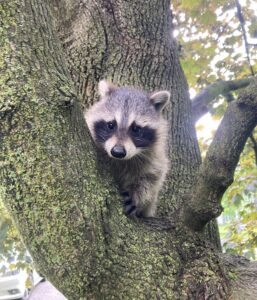 Hamilton has a large and active raccoon population. The city’s mix of older neighbourhoods, mature trees, and aging homes creates steady pressure on residential properties throughout the area. Raccoons are active year-round in Hamilton, but spring and fall are the two busiest seasons for attic entry. Spring is when females are looking for nesting spots to raise their young. Fall is when these animals are searching for warm shelter before winter.
Older Hamilton homes are especially at risk. Original wood soffits, aging fascia boards, and vent covers that have never been replaced give these animals multiple ways to get in along the roofline. The mature trees that make Hamilton’s established neighbourhoods so appealing also give raccoons direct access to rooftops. Once they are up there, they have plenty of time and motivation to test every weak spot they find.
Our team at Skedaddle works across Hamilton every season and sees the same situations repeat on properties throughout the older parts of the city. The most heavily impacted homes are almost always those with deferred roofline maintenance, soffit panels pulling away from the fascia, cracked vent covers, and gaps that were ignored because they looked too small to matter. A professional inspection before a problem develops is always faster and less costly than a full insulation replacement after a season of wildlife activity.
Preventing Raccoon Damage with Skedaddle
When you call our team at Skedaddle, we start with a full inspection of your attic, roofline, and exterior. We find every active entry point, look at the full extent of the insulation damage, check for bathroom spots, and find out whether these animals are currently present before any work begins. That full picture is what lets us plan both the removal and the restoration correctly from the start.
Once we know what we are dealing with, we address the active situation first. We put one-way doors at the active entry points so these animals can get out on their own but cannot get back in. After the attic is clear, we seal every entry point with strong materials that hold up against future attempts to re-enter. Homeowners should never try to seal entry points on their own, especially when young may still be present inside the attic.
Insulation removal, decontamination, and restoration are the last steps. Our team removes all contaminated insulation safely using the right protective gear, treats all affected structural materials with enzyme-based cleaners that remove odour and scent markers, and puts in fresh insulation that restores your attic to proper performance. You should not enter the attic, touch any insulation, or try any part of this process yourself. Call our team at Skedaddle Humane Wildlife Control in Hamilton the moment you notice signs of wildlife activity in your attic and let us handle every step safely and completely.
Frequently Asked Questions
How do I know if raccoons have damaged my insulation?
Common signs include higher energy bills without a change in usage, a persistent smell coming from the attic or through ceiling light fixtures, sounds of movement above the ceiling at night, and visible flattening or disturbance of insulation near the attic hatch. Our professional inspection is the only reliable way to find the full extent of the damage.
Can raccoon-damaged insulation be repaired rather than replaced?
In most cases, no. Insulation that has been compressed, torn, and contaminated with droppings and urine cannot be cleaned or brought back to its original performance. Patching over damaged insulation does not fix the contamination or the reduced performance of the damaged layer beneath. Full removal and replacement is the standard approach after a significant wildlife situation.
Is raccoon waste in my attic a health risk to my family?
Yes. Raccoon droppings can carry a roundworm parasite that stays infectious for years and cannot be killed by standard cleaners. Dried droppings release tiny particles when disturbed that can be breathed in. Urine can carry harmful bacteria. No one should enter an attic with raccoon waste without proper protective equipment. Call our team to handle the assessment and cleanup safely.
Does homeowner's insurance cover insulation replacement after raccoon damage?
It depends on your policy. Some home insurance policies cover sudden damage caused by wildlife, while others do not. Our team documents the full extent of the damage during our inspection, which can help support an insurance claim if coverage applies. Check your policy and speak with your insurer directly.
How long does insulation replacement take after raccoon damage?
The timeline depends on how much damage there is and how large the attic is. A straightforward removal and replacement in a typical attic can often be done in one visit. Situations involving extensive contamination, structural wood treatment, or moisture issues may take longer. Our team gives you a full assessment and timeline before any work begins.
Will the smell from raccoon waste go away on its own after they leave?
No. The odour from urine-soaked insulation and droppings does not go away without professional treatment. The smell may change with temperature and humidity, but it does not disappear on its own. Our professional removal of the contaminated material and treatment of the affected surfaces with enzyme-based cleaners is what actually gets rid of the odour at the source.
The Damage Is Already Happening, Call Skedaddle Before It Gets Worse
Every week raccoons are in your attic is another week of insulation being flattened, torn, and contaminated. The damage does not pause while you wait to see if they leave. It builds up quietly above your ceiling until the smell, the energy bills, or the sounds force the issue.
And by that point, the damage is almost always more serious than it looks. What starts as a few flat spots in the insulation can turn into a full attic of contaminated material that needs to be fully removed and replaced. The longer it goes, the bigger the job becomes and the higher the cost.
Acting early is always simpler and less expensive than waiting. A call to our team now means a faster resolution, less damage to deal with, and a cleaner, safer attic sooner.
At Skedaddle Humane Wildlife Control in Hamilton, our team handles the full process: inspection, removal, insulation extraction, decontamination, and reinstallation. You do not need to go into the attic, handle any materials, or figure out how bad the damage actually is. That is exactly what we are here for. Request an estimate today and let our team assess the situation and restore your attic before another season of damage goes by.

 Loading...







