If you think something might be living in your home, you should call Skedaddle right away. You don’t need to be sure. You don’t need to see the animal with your own eyes. The moment something feels off: a strange sound, an unexplained smell, or damage you can’t explain. That’s the right time to pick up the phone.
Wildlife problems don’t wait, and they don’t get better on their own. A small noise in the attic can turn into a full infestation in a matter of weeks. The sooner you call, the easier the problem is to fix and the less damage you’ll be dealing with when it’s all said and done.
At Skedaddle Humane Wildlife Control in Montreal, we help homeowners at every stage of a wildlife problem, from the very first sign something is wrong to full removal and prevention. In this blog, we walk you through exactly when to call us, what the signs look like, and what you can expect when our team gets involved.
How Do Mice Get Into a Home?
Mice get into homes through gaps, cracks, and openings that are much smaller than most people expect. A mouse can squeeze through a hole the size of a dime, which means even a home that looks well sealed from the outside can have multiple entry points that they’re using to get in.
Common entry points include gaps around pipes and utility lines where they enter the home, cracks in the foundation, spaces under doors that don’t seal tightly, and openings around vents and exhaust fans. Mice follow walls and travel along the foundation of your home looking for any opening they can find. Once one mouse finds a way in, others follow the same path, which is why a small mouse problem can grow into a large one very quickly.
This is why a professional inspection matters so much. Our team doesn’t just look at the obvious spots. We check every potential entry point, including ones that are easy to miss if you don’t know what to look for. Finding and sealing every opening is the only way to stop mice from getting back in after they’ve been removed. Don’t try to locate and seal entry points yourself. Call our team and let us handle the full process from inspection to exclusion.
Strange Noises Are the First Sign to Watch For
One of the most common reasons homeowners call us is because they’re hearing sounds they can’t explain. Strange noises in your attic, walls, or ceiling are almost always a sign that something is living inside your home. Here’s what different sounds tend to mean:
- Scratching and Scurrying Sounds: Light, fast scratching sounds, especially at night, are a common sign of mice or rats moving through wall cavities and along baseboards. These sounds can seem faint at first but tend to get louder and more frequent as the population grows. If you’re hearing scratching in multiple spots, the problem has likely already spread beyond a single area.
- Thumping and Heavy Movement: Louder thumping or shuffling sounds, especially coming from the attic or along the roofline, often point to raccoons. These are larger animals and they make more noise when they move. You’re most likely to hear them at night since raccoons are nocturnal. A thumping sound overhead is not something to wait out – call us right away.
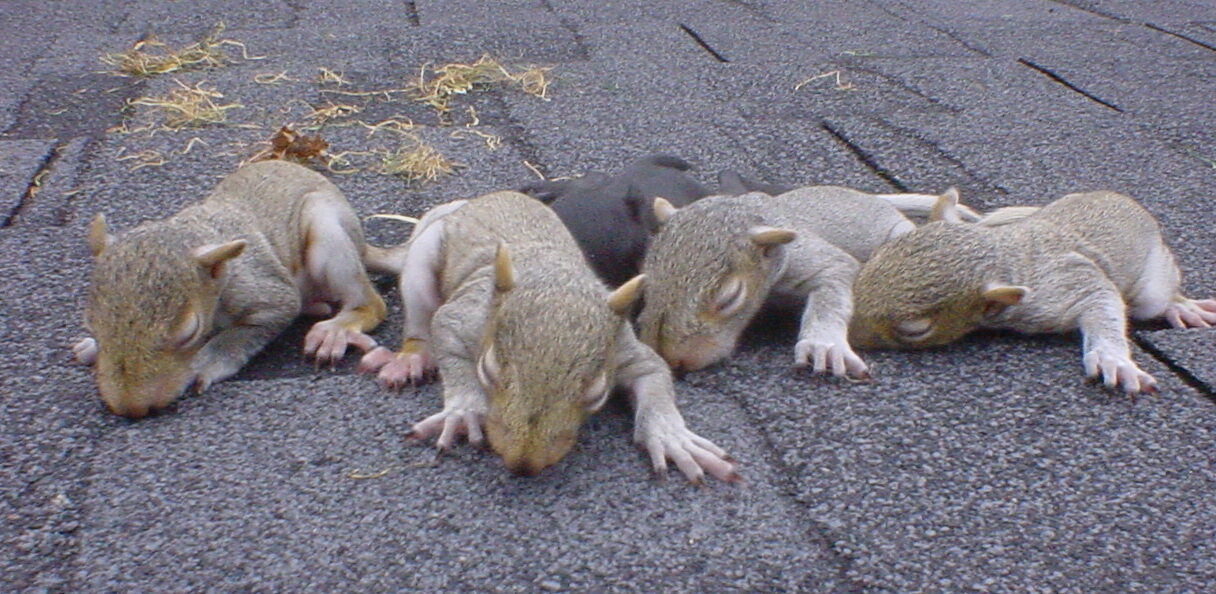
- Daytime Activity in the Attic: Squirrels are active during the day, which means scratching or movement sounds in the morning or afternoon often point to them. They move quickly and tend to be active in short, energetic bursts. If you’re hearing fast movement in your attic during daylight hours, squirrels are one of the most likely causes.
- Chirping, Fluttering, or Tapping Near Vents: Birds and bats make very different sounds from rodents and raccoons. Chirping, fluttering wings, or repetitive tapping near vents or the roofline in the early morning hours often points to a bird or bat problem. These situations need to be handled carefully and in line with local wildlife guidelines, which is exactly what our team is trained to do.
Physical Damage Is a Clear Signal to Call
Visible damage to your home is one of the most obvious signs that wildlife has moved in, and it should always prompt a call to our team right away. Here’s what physical damage from wildlife looks like:
- Chewed Wires and Wood: Mice, rats, and squirrels have teeth that never stop growing, which means they chew constantly to keep them worn down. Electrical wires, wood framing, and insulation are all common targets. Chewed wires create a fire hazard that’s hidden inside your walls, which is why finding this kind of damage early is so important.
- Damaged Roof Vents and Soffits: Raccoons and squirrels are strong enough to pull back plastic vent covers and pry open weak soffit sections to get inside. If you notice bent, torn, or missing vent covers or gaps along your roofline, something has likely already used that spot to get in. Don’t try to inspect or repair these areas yourself – call our team to assess the full situation first.
- Ruined Insulation: Wildlife nesting in your attic tears apart insulation to build their dens. This leaves large sections of your attic under-insulated, which drives up your energy costs and creates moisture problems over time. If you notice your heating or cooling bills going up without an obvious explanation, damaged insulation from wildlife activity could be the cause.
- Holes or Gaps Around the Foundation: Gaps that appear around your foundation, under your deck, or near utility line entry points are signs that something has been working its way in. These openings don’t appear on their own; they’re created or expanded by animals looking for a way inside. Our team identifies every gap and seals them all so nothing can get back in.
Yard Activity That Signals a Bigger Problem
Sometimes the warning signs aren’t inside your home at all, they’re in your yard. Persistent wildlife activity around the outside of your home is often the first indicator that animals are either already inside or actively looking for a way in.
Frequent digging in your lawn or garden beds is a common sign of skunk activity. Skunks dig small, cone-shaped holes looking for grubs and insects in the soil. If you’re waking up to a yard full of small holes on a regular basis, these animals have found a reliable food source on your property and will keep returning until something changes. Digging near the base of your deck or shed often means they’re trying to den underneath it.
Raccoons that are active around your property during the day, such as tipping over garbage bins, getting into compost, or hanging around your porch, are showing you they’re comfortable enough to treat your yard as home territory. This kind of bold, repeated behaviour usually means they’re already denning somewhere nearby. The longer they stay comfortable on your property, the more likely they are to find a way inside.
Any persistent wildlife presence around the outside of your home is worth a call to our team. We’ll assess the full property – not just the interior – and identify what’s attracting them and where they might be trying to get in. Getting ahead of the problem before they make it inside is always the faster and less expensive outcome.
Visual Clues You Shouldn’t Ignore
Sometimes you don’t hear wildlife; you see the signs they leave behind. These visual clues are just as important as sounds and should prompt a call to our team right away. Here’s what to look for:
- Droppings Near Entry Points or Along Walls: Droppings are one of the clearest signs of a wildlife problem. Mouse and rat droppings are small and dark and tend to appear along walls, near food sources, and around entry points. Raccoon droppings are larger and may appear in the attic or near the roofline. Do not attempt to clean up droppings yourself; they can carry harmful bacteria and should be handled by our professional team.
- Foul or Unexplained Odours: A strong, persistent smell inside your home that you can’t trace to an obvious source is often a sign of wildlife activity. Urine and droppings that build up in enclosed spaces like wall cavities and attics create odours that travel through your home’s ventilation. If you’re noticing a smell that doesn’t go away, call us before it gets worse.
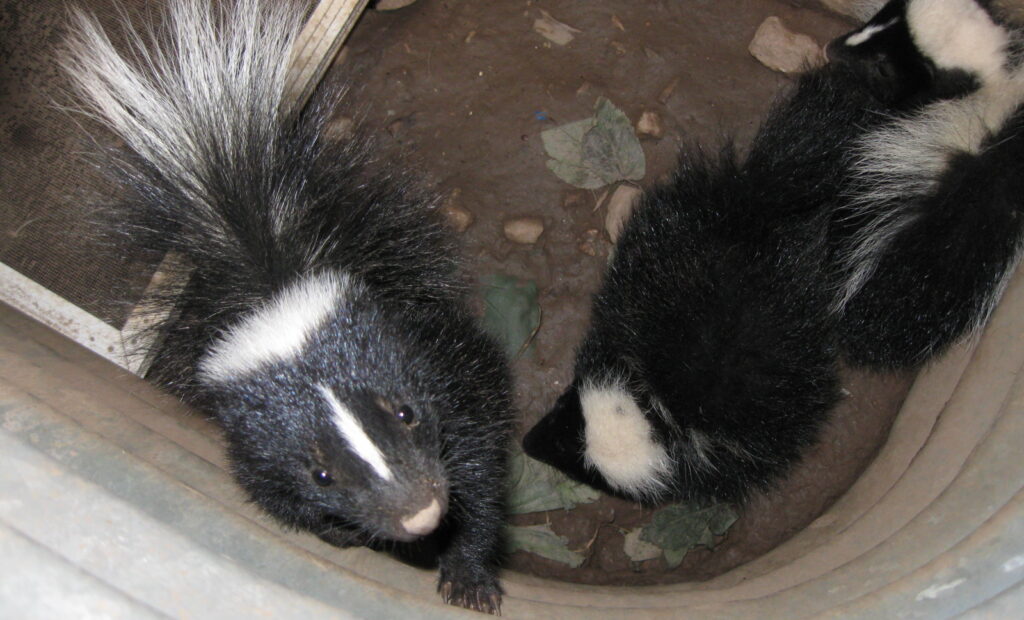
- Nocturnal Animals Active During the Day: Seeing a raccoon, skunk, or other nocturnal animal out and about during daylight hours is a warning sign. It can indicate the animal is sick, disoriented, or under unusual stress. None of which are situations you want to handle on your own. Keep your distance and call our team right away to assess the situation safely.
What to Expect When You Call Skedaddle
When you call our team at Skedaddle, the first thing we do is listen. You’ll tell us what you’ve been experiencing – the sounds, the damage, the yard activity – and we’ll use that information to start building a picture of what’s going on before we even arrive. Every situation is different, and we treat it that way from the very first conversation.
From there, we schedule a full property inspection. Our technicians check up to 50 points on the exterior and interior of your home. Every vent, every soffit, every gap around pipes and utility lines, and every area of the attic or crawlspace that could be hiding wildlife activity. We’re looking at the full picture, not just the most obvious problem.
After the inspection, we explain exactly what we found and what needs to happen. You’ll know what’s in your home, how it got there, and what our plan is to remove it and prevent it from coming back. We use one-way door systems that allow animals to leave on their own without being able to get back in. A humane approach that gets lasting results. We handle every step of the process so you don’t have to touch anything or put yourself at risk at any point.
Wildlife Activity in Montreal
Montreal’s urban environment creates ideal conditions for wildlife year-round. The city’s mix of older residential neighbourhoods, mature trees, and accessible green spaces gives raccoons, squirrels, mice, and skunks plenty of places to live and plenty of motivation to move into homes when the seasons change. Montreal winters are harsh, which means the push to find warm shelter starts early and is more intense than in milder climates.
Older homes in Montreal are especially vulnerable. Many properties have aging rooflines, worn soffits, and gaps around foundations that wildlife finds quickly. The style of construction common in older Montreal neighbourhoods – with row houses, shared walls, and tight spacing between buildings – also means that a wildlife problem in one home can spread to adjacent properties if it isn’t dealt with quickly.
Seasonal peaks happen twice a year in Montreal. Spring brings nesting season, when females are actively looking for warm, sheltered spots to raise their young. Fall brings the push for winter shelter as temperatures drop. Both of these windows see a significant increase in wildlife activity around residential properties – and both are times when calling our team early makes a big difference in how quickly and smoothly the situation gets resolved.
Wildlife Removal and Prevention with Skedaddle
When wildlife has made its way into your home (or is actively trying to), the right response is always to call our team at Skedaddle Humane Wildlife Control. We don’t use live trapping or relocation. Instead, we use one-way door systems that let animals leave on their own while preventing them from getting back in. It’s a humane approach that works, and it’s backed up by thorough exclusion work that closes every entry point for good.
Our inspections cover the full property, not just the area where you first noticed the problem. Wildlife often has multiple entry points and moves through more of your home than you’d expect. Missing even one opening means the problem can come back, which is why our team checks everything before any sealing work begins.
Prevention is the final step and the most important one for long-term results. After removal and exclusion are complete, we make sure the conditions that attracted wildlife in the first place are addressed. The goal is to make your home as unattractive to wildlife as possible and to back that up with physical barriers that hold up over time. We handle all of it from start to finish so you can get back to living in your home without wondering what’s sharing it with you.
Frequently Asked Questions
Do I need to see the animal before I call?
No. You don't need to see anything: sounds, smells, and damage are all enough reason to call. In fact, the earlier you call, the better. Waiting until you see an animal often means the problem has already grown significantly.
Is one mouse a big deal?
Yes. One mouse is rarely just one mouse. Mice breed quickly and move in groups - where there's one, there are almost always more. A single mouse sighting or a single dropping is enough reason to call our team for an inspection.
What if the sounds stop on their own?
Sounds stopping doesn't mean the problem is gone. Wildlife can go quiet for periods of time, especially if they've found a comfortable nesting spot and aren't actively moving around. If you heard something and then it went quiet, call us anyway; we'll confirm whether something is still there.
Can wildlife spread from my home to my neighbour's?
Yes. Rodents especially can move between attached or semi-attached homes through shared wall cavities and utility chases. If you're dealing with a wildlife problem, letting your neighbours know and getting your home properly sealed is the responsible approach.
How quickly can Skedaddle respond?
We respond as quickly as possible and prioritize situations where wildlife has already gotten inside a home or where there's an urgent safety concern. Contact us to discuss your situation, and we'll get someone to your property as soon as we can.
What if I'm not sure it's wildlife and not just the house settling?
Call us anyway. A house settling makes predictable, occasional sounds - usually creaking or popping. Scratching, scurrying, thumping, and fluttering are not sounds a house makes on its own. If you're unsure, our team will figure it out during the inspection.
If Something Feels Off, That’s Your Sign to Call
You don’t have to wait for a wildlife problem to get obvious before you reach out to us. Strange sounds, unexplained damage, yard activity, and visual clues are all good enough reasons to pick up the phone. The sooner you call, the smaller the problem stays, and the faster and less expensive it is to fix.
Wildlife problems don’t resolve on their own. They grow. Every week without action is another week of damage, nesting, and population growth happening inside or around your home. Acting at the first sign of a problem is always the right move, and it’s exactly what our team is here to help you do.
At Skedaddle Humane Wildlife Control in Montreal, we’re ready to help. We’ll inspect your property, identify what’s going on, and take care of everything from removal to prevention. You don’t have to deal with any part of it yourself. Contact us today to request an estimate and find out how we can help protect your home.

 Loading...







