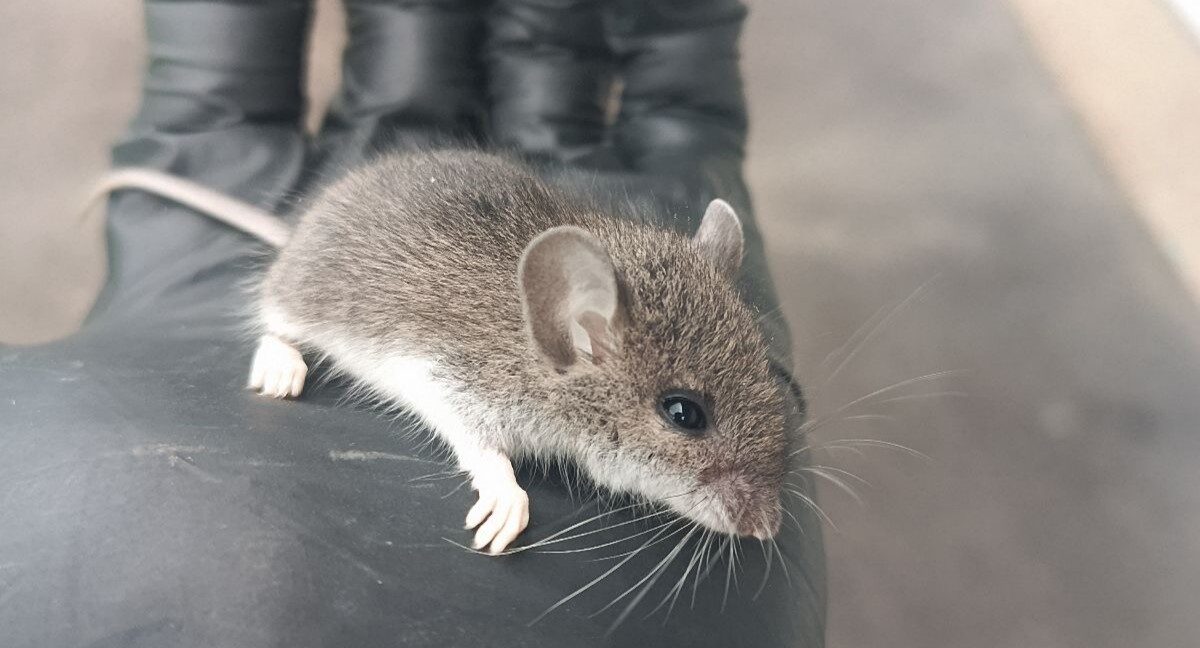
You have probably heard that 24 Sussex Drive – the famous Ottawa home once used by Canada’s Prime Ministers – has been sitting empty for years. The federal government recently announced a plan to fix up the property after years of neglect left it in very bad shape. One of the many problems found inside was a serious rodent infestation in the attic, basement, crawl spaces, and walls. It is a big example, but the lesson it teaches applies to homes all across Ottawa.
The situation at 24 Sussex shows one clear thing – when problems with a building are ignored long enough, these animals move in and stay. Damaged foundations, gaps in old building materials, open roof areas, and moisture problems do not just weaken a building. They create the perfect conditions for these animals to get deep inside and settle in. The longer those problems go unfixed, the harder and more costly they are to deal with.
At Skedaddle Humane Wildlife Control in Ottawa, we inspect homes across the city every season and see the same pattern repeat in residential properties throughout the area. In this blog, you will learn what the problems at 24 Sussex can teach us about how rodents get into older homes, what warning signs to watch for in your own home, and why fixing the structure and removing the animals have to happen together for a lasting solution.
How Do I Know if Mice Are in My House?
The most common signs are sounds, droppings, and gnaw marks. You may hear scratching or scurrying sounds at night, usually in the walls, ceiling, or along the base of cabinets. You may find small dark droppings near food areas, along walls, under the sink, or in corners. You may also notice gnaw marks on wood, plastic, or food packaging. Any one of these signs is enough reason to call our professionals right away.
Rodents are most active at night and very good at staying hidden during the day. By the time most homeowners notice something is wrong, these animals have usually been inside for weeks or longer. A single pair can produce a large number of young in a short time, which means a small situation can grow very fast. Early signs should never be ignored.
If you are noticing any of these signs in your Ottawa home, especially in an older property with a basement, crawl space, or attic, our professional inspection is the right next step. Our team at Skedaddle finds how far the activity has spread, locates every entry point, and puts together a plan that actually fixes the problem.
Damaged Foundations
The foundation problems at 24 Sussex are well known. Years without proper upkeep left the structure with serious damage at the base level. Here is what foundation damage means for rodent entry in any older Ottawa home:
- Cracks and Gaps in the Foundation Wall Are Direct Entry Points: Rodents can squeeze through a gap the size of a dime. A foundation wall with cracks, crumbled mortar, or gaps where the concrete has shifted gives them a direct path into the basement. Cracks that look small from the inside are often larger on the outside and can connect to gaps at ground level that rodents find and use regularly. A crack you would barely notice is basically an open door that stays open all year long.
- Settled or Shifted Foundations Create New Gaps Over Time: Older Ottawa homes go through freeze-thaw cycles every year. That repeated movement causes foundations to settle and shift, and those small movements create new gaps at the base of the wall and around window frames. These gaps are often not visible without a close look at ground level, which is exactly what our team does during a full exterior inspection.
- Foundation Problems Get Worse Without Repair: A small crack left unrepaired through one more Ottawa winter gets bigger the following spring. The pattern at 24 Sussex, where delayed maintenance allowed problems to build up over years, plays out on a smaller scale in homes across the city all the time. Fixing foundation weak spots before rodents get inside is always faster and less costly than fixing them after. Waiting is what turns a small problem into a big and expensive one.
Gaps Around Aging Building Materials
One of the clearest lessons from 24 Sussex is what happens to a building when old materials are left in place without maintenance or replacement. Wood trim, soffits, fascia boards, window frames, and door frames all break down over time. As they do, they develop the gaps and weak spots that rodents find and use to get inside.
Wood is especially vulnerable. In Ottawa’s climate, repeated exposure to moisture, freezing temperatures, and summer heat causes wood to expand, contract, crack, and pull away from the surfaces it is attached to. A soffit board that is slightly out of position, a window frame where the caulk has dried out and cracked, or a fascia board where the paint has been peeling for a few seasons- these are all conditions that let gaps open up along the outside of the home. These animals feel air coming through those gaps and follow it to find a way in.
The gap does not have to be large. Rodents can flatten themselves to push through openings that look too small to matter. What looks like a minor issue- a slightly warped soffit panel, a section of wood trim that has pulled away from the wall- is often a real entry point. Our team checks every transition point and material junction along the exterior during an inspection because these are consistently the most overlooked entry points on older Ottawa properties.
Roof Openings
The roof of 24 Sussex had serious damage that left multiple openings for wildlife to access the attic and upper structure. Here is what roof-level entry points mean for any older Ottawa home:
- Damaged or Missing Shingles Create Access to the Roof Deck: A shingle that has lifted, cracked, or blown away exposes the roof deck underneath it. Rodents check every edge and surface on a rooftop, and a damaged section of the roof deck is a starting point for pushing through into the attic. Once through the roof deck, they are directly in the attic space above your living area. Roof-level damage that looks like a weather problem from the ground is often a wildlife entry problem by the time it is discovered.
- Roof Vents Without Proper Screens or Covers Are Common Entry Points: Roof vents are built to let air move through the attic. Without properly fitted and secured screens or covers, they also let these animals in. A vent cover that is cracked, loose, or made from thin material that can be pushed aside is not actually keeping anything out. Our team checks every vent opening during an exterior inspection and confirms whether the cover is providing real protection.
- Gaps at the Roofline Where Materials Meet Are Frequently Missed: Where the soffit meets the fascia, where the fascia meets the gutter, and where roofing materials overlap. These spots develop gaps over time as materials age and shift. These gaps are often not visible from the ground. On older Ottawa homes where the roofline has not been inspected for several seasons, these transition gaps are among the most common active entry points our team finds.
Moisture Problems
Moisture was a major factor in the deterioration at 24 Sussex. Standing water, roof leaks, and poor drainage allowed wood and other materials throughout the structure to break down, which both weakened the building and created exactly the kind of environment these animals are drawn to.
Moisture pulls rodents in for several reasons. Damp organic material – wet wood, soaked insulation, decaying debris – is a food source for the insects and fungi that these animals also feed on. A damp basement or crawl space is also warmer than dry outdoor air in winter, which makes it an attractive place to shelter. Moisture damage to wood framing and wall cavities creates soft spots and gaps that these animals use to move through a structure once they are inside.
In Ottawa homes, the most common sources of moisture that contribute to rodent problems are roof leaks that soak attic insulation, basement moisture from poor drainage or failed waterproofing, and crawl space moisture from poor ventilation. Each of these conditions softens and weakens the materials that would otherwise block entry. Addressing moisture issues as part of a wildlife prevention plan, not just as a separate maintenance task, is what produces results that actually last.
Why Rodent Removal Without Repair Does Not Last
The situation at 24 Sussex makes one point very clearly: getting rid of rodents without fixing the structural conditions that let them in does not solve the problem. It just delays the next infestation. Here is why removal and repair have to happen together:
- Open Entry Points Stay Open After Removal: If rodents are removed from a structure but the entry points they used are not sealed, the same openings are available to the next rodent that comes along. Rodents follow scent trails, air movement, and the signals left behind by previous occupants. An entry point that was used once is very likely to be used again. Removal without sealing is an incomplete job that leaves the home just as vulnerable as it was before.
- Scent Markers Left Behind Pull Future Rodents to the Same Spots: Rodents leave scent markers wherever they spend time, in nesting areas, along travel routes, and near entry points. Those markers stay in the structure long after the rodents are gone and signal to future rodents that the space is safe. Without professional decontamination that removes those scent signals, the same areas of the home keep attracting new activity season after season. This is one of the most common reasons homeowners deal with repeat infestations even after a removal.
- Structural Repair Is What Breaks the Cycle: The only way to fully resolve a rodent situation is to find and seal every entry point, fix the structural conditions that created those entry points, and decontaminate the affected areas so the scent signals are gone. That is more involved than a simple removal, but it is the only process that produces a result that holds. Our team at Skedaddle handles every step, including finding the structural weak spots, sealing every entry point with professional-grade materials, and treating contaminated areas so the cycle does not start again.
What Are Major Rodent Issues to Consider in Ottawa?
Ottawa’s older residential neighbourhoods face steady pressure from rodents year-round. The city’s cold winters push rodents indoors hard from September through November, and its wet springs and freeze-thaw cycles cause the kind of structural wear that opens up entry points across aging properties. Our team works across Ottawa every season and sees the same weak spots repeat on properties throughout Centretown, the Glebe, Westboro, and other established neighbourhoods with older homes.
The lessons from 24 Sussex apply directly to older Ottawa homes. Delayed maintenance on foundations, rooflines, and building materials creates the conditions for rodents to get established. A property that has not had a professional exterior inspection in several years, or that has visible signs of aging materials, moisture damage, or roofline wear, is at elevated risk for rodent entry. Acting before the signs appear is always faster and less costly than acting after an infestation is already established.
Frequently Asked Questions
How quickly can a small rodent problem become a large one?
Very quickly. Rodents reproduce fast, and a pair that finds a safe, warm space inside a home can produce multiple litters in a single season. A situation that starts with one or two animals can grow a lot within a few months if the entry points are not found and sealed.
Can rodents get into a home through the roof?
Yes. Damaged shingles, open roof vents, and gaps at roofline transition points are all active entry points on older Ottawa homes. Rodents are excellent climbers and regularly access homes from the roofline rather than at ground level. Our team checks the full roofline as part of every exterior inspection.
Is it enough to put out traps and bait to get rid of mice?
No. Traps and bait address individual rodents but do not seal the entry points that let them in. As long as those entry points remain open, new rodents will keep coming in. A complete resolution requires finding and sealing every entry point as well as removing the current activity.
What makes Ottawa homes especially vulnerable to rodent entry?
Ottawa's cold winters create strong pressure for rodents to find warm shelter, and the city's large stock of older homes, with aging foundations, original wood soffits, and deteriorating building materials, provides consistent access points. Freeze-thaw cycles every winter make existing gaps bigger and create new ones.
How long does a professional rodent inspection take?
A full exterior and interior inspection of a typical Ottawa home usually takes between one and two hours, depending on the size of the property. Our team gives you a full report of what was found and what we recommend before any work begins.
Can rodents damage the wiring or structure of my home?
Yes. Rodents chew on almost any material, including electrical wiring, wood framing, insulation, and plastic pipe insulation. Chewed wiring is a fire hazard. Structural wood that has been heavily gnawed loses some of its strength. The longer an infestation goes unaddressed, the more extensive the damage becomes.
Your Home Does Not Have to Become the Next 24 Sussex
24 Sussex is an extreme example, but the conditions that led to it are not unusual. Deferred maintenance, aging building materials, moisture problems, and structural gaps that were never fixed. Those same conditions exist in varying degrees on older Ottawa homes all across the city. Left long enough, they create the same result on a smaller scale.
The good news is that you do not have to wait until the problem is visible to do something about it. A professional inspection now, before any signs of activity appear, is the most effective step you can take to protect your home.
Rodents do not need much of an opening to get inside. A crack, a loose vent cover, or a gap around a utility line is enough. Finding those spots and sealing them before an infestation develops is always faster and less costly than dealing with one after it is already established.
At Skedaddle Humane Wildlife Control in Ottawa, our team inspects the full exterior of your home, finds every entry point, seals the home completely, and handles all cleanup and decontamination. You do not need to go into the crawl space, handle any materials, or figure out where they are getting in. Request an estimate today and let our team assess your home before a small problem turns into a big one.

 Loading...