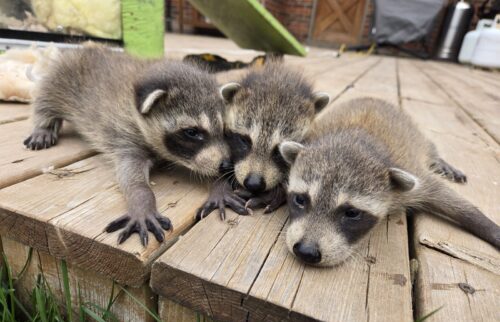
You lock the door, pack the car, and head off for a vacation you’ve been looking forward to. But while you’re gone, something else might be moving in. Empty Ontario homes and cottages are some of the best spots around for raccoons, squirrels, bats, mice, and birds, especially in summer when homes sit quiet for days or weeks.
In this blog, Skedaddle Humane Wildlife Control in Toronto walks you through why empty homes and cottages pull in so much unwanted activity and what our team does to keep your place safe while you’re away.
Empty homes attract wildlife because they offer exactly what these animals want: quiet, warmth, shelter, and no people to bother them. A home with no noise, no movement, and no one coming and going feels totally safe to a raccoon looking for a place to nest or a squirrel searching for a way in. Small gaps that no one noticed for months can suddenly become entry points used over and over. The longer a home sits empty, the more comfortable the activity inside becomes.
You don’t have to be home to keep your property safe. Our team at Skedaddle can check your home or cottage before you leave, close off every weak spot, and make sure nothing is waiting for you when you return. Acting before you travel is always easier than dealing with a problem once you’re back.
What Attracts Wildlife to Empty Homes?
The biggest thing that draws wildlife to an empty home is the fact that no one is there. The noise, movement, lights, and smells of people naturally make most animals stay back. When a home goes quiet for a long time, that caution goes away. The place starts to feel safe to check out, and small openings that were left alone before suddenly seem worth trying.
Empty homes also stop getting the regular attention that catches small problems before they grow. A gap in a soffit, a loose vent cover, or a crack near the roof might get spotted and fixed fast when someone is home every day. When a place sits empty, those same issues go unnoticed and give wildlife more time to find them and push through.
Food, water, and shelter are the three things every animal needs, and an empty home or cottage can offer all three with no one around to stop them. Leaf piles, full bird feeders, open compost bins, loose garbage, and water pooling near the foundation all bring animals closer. Add in a quiet, unwatched structure, and you have exactly the right setup for an unwanted guest or a whole family of them.
Attics
Attics are one of the most popular spots in any empty home. They are high up, dark, warm, and far from any foot traffic — everything a nesting animal looks for when picking a place to raise its young. When homes sit quiet for long stretches in summer, attics become especially appealing to raccoons, squirrels, and bats looking for a place no one will bother them.
The problem with attic activity is that it builds up slowly and quietly. By the time you come home and hear sounds, smell something off, or see a stain on the ceiling, the animals may have been there for weeks. The damage from nesting, droppings, and ripped-up insulation gets worse the longer they stay, and the cleanup after a settled attic problem can be a big job.
Here is what draws wildlife to attics in empty homes:
- Warmth and Protection From the Weather: An attic stays warm even on cooler summer nights and stays dry when it rains outside. For a mother looking for a safe place to raise her young, these conditions are exactly right. An attic in a quiet, empty home is one of the most undisturbed spots around, which is exactly what makes it such a popular choice during the summer travel season.
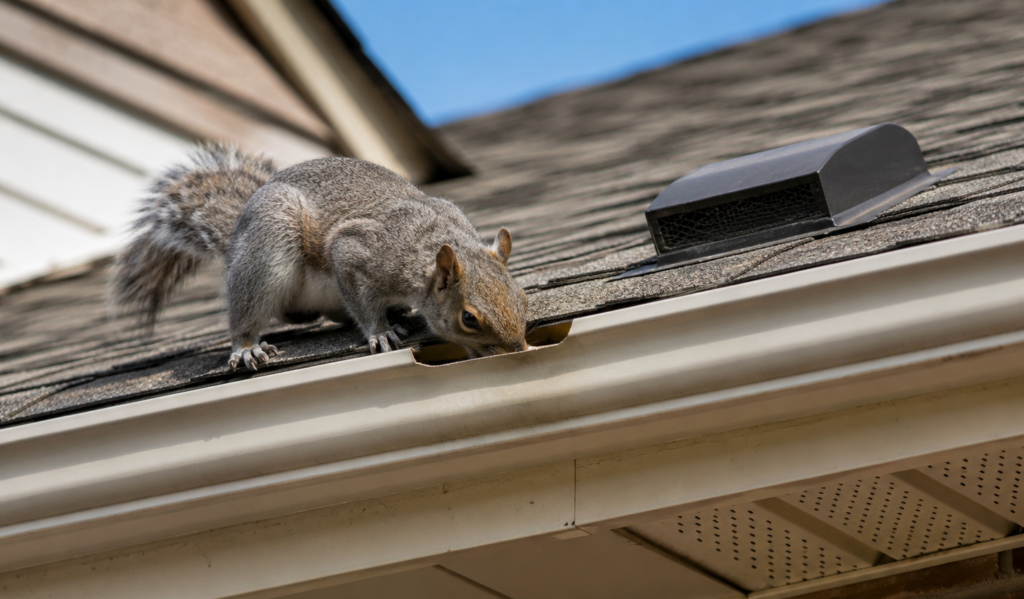
- Easy Access Through Weak Spots on the Roof: Raccoons and squirrels are great climbers and can get to a roofline using nearby trees, fences, or downspouts. Once up there, they look for weak spots – loose soffits, broken fascia boards, open roof vents – and push their way through. In an empty home, these openings can go untouched for weeks while the animals get settled and damage builds up.
- Insulation as Nesting Material: Attic insulation is soft and warm, perfect for building a nest. Animals pull it apart to make cozy spots for their young, which cuts your home’s energy performance and leaves the space full of droppings and urine. Our team checks the insulation and handles all cleanup as part of the full process after the animals have been safely removed.
Chimneys
A chimney that sits unused all summer is one of the most appealing spots a bird or raccoon can find. From the outside, an open flue looks just like a hollow tree: a tall, dry, sheltered space that keeps them safe from rain, wind, and predators. Without a cap in place, that open top is basically an open door. In a quiet, empty home, activity inside a chimney can go on for weeks without anyone finding out.
Here is what makes chimneys such a common problem in empty properties:
- Open Flues Look Just Like Natural Nesting Spots: Birds like chimney swifts and raccoons are naturally drawn to tall, enclosed spaces because they feel safe on all sides. An uncapped chimney gives them exactly that: a dry, sheltered shaft that stays quiet when a property is empty. Once a bird or raccoon finds an open flue, they move in fast and can have a full nest built within just a few days.
- Droppings and Nesting Mess in the Flue: Once they settle in, they leave droppings, nesting material, and strong smells that can work their way down through the flue and into the living space below. In an empty home, this mess builds up with no one around to notice until the owner comes back. By that point, the inside of the chimney often needs professional cleanup before it can be safely used again.
- Chimneys are One of the Most Missed Entry Points: Most homeowners think about roof vents, soffits, and windows as the spots to worry about, but chimneys are one of the most common entry points our team finds during inspections before a trip. An uncapped flue is easy to forget because it’s up high and out of sight. Our team checks every chimney and flue opening and puts proper caps in place so nothing can get in while the home sits empty.
Sheds and Garages
Sheds and garages are often the first buildings on a property that wildlife moves into when things go quiet. They tend to have more gaps, worn door seals, and older materials than the main house — and they get used less often, which means activity inside them goes unnoticed for longer.
A quiet shed or garage offers shelter from rain and heat, plenty of materials to build a nest with, and very little chance of being bothered. Stored boxes, old furniture, and equipment all make good hiding spots and nesting material. If food is kept inside — pet food, birdseed, or anything in a bag or cardboard box — that makes the space even harder to resist.
Here is what makes sheds and garages easy targets when a property sits empty:
- Gaps and Worn-Out Entry Points: Older sheds and garages often have gaps around doors, loose boards, broken vents, or spaces near the foundation that make getting inside easy. These spots are easy to miss during a quick look around but are exactly what an animal notices when it’s searching for a way in. Our team finds and closes all of these during a property check.
- Stored Items Used as Nesting Material: Boxes, fabric, old clothing, and stored goods all become nesting material for mice, squirrels, and raccoons. Soft items are especially easy to pull apart and build with. Animals that find a shed full of stored goods can build nests fast and cause a lot of damage to your belongings in a short time.
- Chewed Wiring as a Fire Risk: Mice and squirrels chew all the time, and electrical wiring in sheds and garages is a common target. Chewed wires are a real fire risk that can grow while no one is home to notice it. Our team checks all the wiring areas it can reach during the inspection and flags any signs of gnawing that need to be dealt with.
Crawlspaces
Crawlspaces under a cottage or home are cool, dark, and sheltered, conditions that become especially appealing during the heat of summer. When the space above is empty and quiet, these below-ground areas feel safe to explore and settle into. Skunks, groundhogs, and rats are the most common visitors, but raccoons will also den under structures when things feel right.
The damage that builds up in a crawlspace during a long absence can be hard to spot and even harder to fix. Droppings pile up in the soil, insulation gets ripped away from the floor above, and the smell from a skunk den can soak into the structure and stick around long after the animals have left. In an empty property, this can go on for weeks or months without anyone knowing.
Crawlspaces are also one of the harder areas for homeowners to check on their own. Low clearance, tight conditions, and the presence of droppings make it very important that a professional handle any inspection and cleanup in these spaces. Our team has the right gear to get in and assess crawlspaces safely and properly.
What Happens When Wildlife Settles Into a Vacant Property
The longer a property sits empty with wildlife inside, the worse the damage gets. What starts as one raccoon checking out an attic vent can turn into a family of five nesting in the insulation within just a few weeks. Droppings pile up, urine soaks into wood and insulation, nesting material spreads out, and the smell gets harder to deal with as each week goes by.
Chewed wiring is one of the most serious problems that can build up in an empty home. Mice and squirrels chew through electrical wiring regularly, and the fire risk from damaged wires in a home with no one inside is very real. There is no one around to smell smoke, notice a problem with the power, or catch an issue before it turns into something much bigger.
The health risks from built-up droppings and urine are also very real. Some droppings carry particles that become dangerous when the space is entered again after sitting empty for a while. Homeowners should never touch droppings, nesting material, or contaminated insulation on their own; our team handles all of it with the right protective gear and proper protocols.
Wildlife Removal and Prevention with Skedaddle
When our team arrives at a property that has been empty, the first thing we do is a full check of the whole structure, from the roofline all the way to the crawlspace. We find every entry point, locate every active or recent nesting spot, and note the extent of any damage or contamination before any work begins.
Our removal process uses one-way door systems at active entry points. These let animals leave the structure on their own but stop them from getting back in. Once the property is clear, we seal every opening with tough, long-lasting materials that hold up against future attempts to get back in. All cleanup is handled by our team; homeowners should never go near droppings, nesting material, or contaminated areas without the right gear.
For homeowners who travel often or own a seasonal property, we also offer pre-departure checks. Our team can look over your home or cottage before you leave, find any weak spots, and seal them so nothing gets a chance to move in while you’re away. That kind of early action is far easier than dealing with a settled problem after you come back.
Ontario’s Vacant Cottage Country
Ontario’s cottage country sees a big jump in wildlife activity every summer as properties fill up on weekends and sit quiet through the week. Raccoons, squirrels, bats, and birds are all very active during this time, and the pattern of quiet weekdays followed by busy weekends creates exactly the kind of low-disturbance setting these animals look for.
Older cottages in Muskoka, the Kawarthas, and other popular Ontario cottage areas often have aging materials, worn roofing, and gaps around old windows and doors that make getting inside easy. Many of these properties also have sheds, boathouses, and other outbuildings that go unchecked for long stretches.
The Toronto area sees something similar when city homeowners travel for longer periods. An empty city home sits quietly in the same way a cottage does, and the wildlife in Toronto’s ravines, parks, and older neighbourhoods is active and quick to take advantage of a quiet property. Our team works in both urban Toronto and the surrounding areas and understands the specific risks that come with each type of property.
Frequently Asked Questions
How long does a home need to be empty before wildlife moves in?
It doesn't take long. A property that sits quiet for just a few days can start attracting raccoons or squirrels looking for a new nesting spot. A week or more of steady quiet is often enough time for an animal to find a way in, check the space out, and begin setting up a den. Acting before you leave is always the safest choice.
Can wildlife get into a home through very small gaps?
Yes, mice can squeeze through an opening as small as a dime, and squirrels only need a few centimetres to push through a weak spot. Bats can get through gaps even smaller than that. This is why a professional check looks at every part of the outside of your home, not just the spots a homeowner might notice on their own.
What are the signs that wildlife has been in my home while I was away?
Common signs include droppings on the floor or along walls, shredded insulation or nesting material, gnaw marks on wood or wires, strong smells, and stains on ceilings or walls. Hearing sounds from the attic or walls when you first come home is also a clear sign. If you notice any of these things, call our team before you go near any of the affected areas.
Is it safe to re-enter a home after wildlife has been inside?
In most cases, yes, but you should stay away from any droppings, nesting material, or contaminated insulation before a professional check is done. Some droppings carry harmful particles that become dangerous when disturbed in a small space. Our team handles all cleanup professionally so you and your family are not put at risk.
Can Skedaddle inspect my cottage before I leave for a trip?
Yes, our team offers pre-departure checks that look at every vulnerable area of your property and seal any entry points before you go. This kind of early action is one of the most effective ways to protect a seasonal property during the summer travel season. Contact us to book a check before your next trip.
Don’t Come Home to Uninvited Guests — Call Skedaddle First
An empty home or cottage is one of the most attractive spots around for raccoons, squirrels, bats, mice, and birds in summer. Quiet, undisturbed, and full of good nesting spots, a vacant property sends exactly the right signals to any animal looking for a place to settle in.
The damage that builds up while you’re away. Chewed wires, ripped insulation, piled-up droppings, and lasting smells are serious and get worse with every week that goes by. Coming home to a settled problem is far more stressful and costly than stopping one before you leave.
At Skedaddle Humane Wildlife Control in Toronto, we’re ready to help. Our team checks your home or cottage, finds every weak spot, removes any animals already inside using one-way doors, and seals every entry point so nothing gets back in. We handle all cleanup professionally so you don’t have to go near any of it.
Request an estimate today and let our team make sure the only things checking into your property this summer are the ones you invited.

 Loading...







