




Wasp and hornet control
Nests in soffits, sheds and wall voids, and in the ground near walkways.
Wasp and hornet control in the GTA →Skedaddle GTA — serving Pickering, from Frenchman's Bay to Claremont, in Durham Region.
No traps. No poison. Permanent exclusion.
Skedaddle Humane Wildlife Control removes mice, squirrels, raccoons and bats from homes across Pickering, the Durham Region city between the Rouge River and Duffins Creek that runs from Frenchman's Bay on Lake Ontario north through Seaton to Claremont. Every job starts with an inspection. We match the removal method to the species, retrieve dependent young by hand and seal every entry point with durable materials. This winter, our focus is keeping mice out of basements, closing attics before squirrels nest and raccoons mate in late winter, and checking for hibernating bats before any seal.
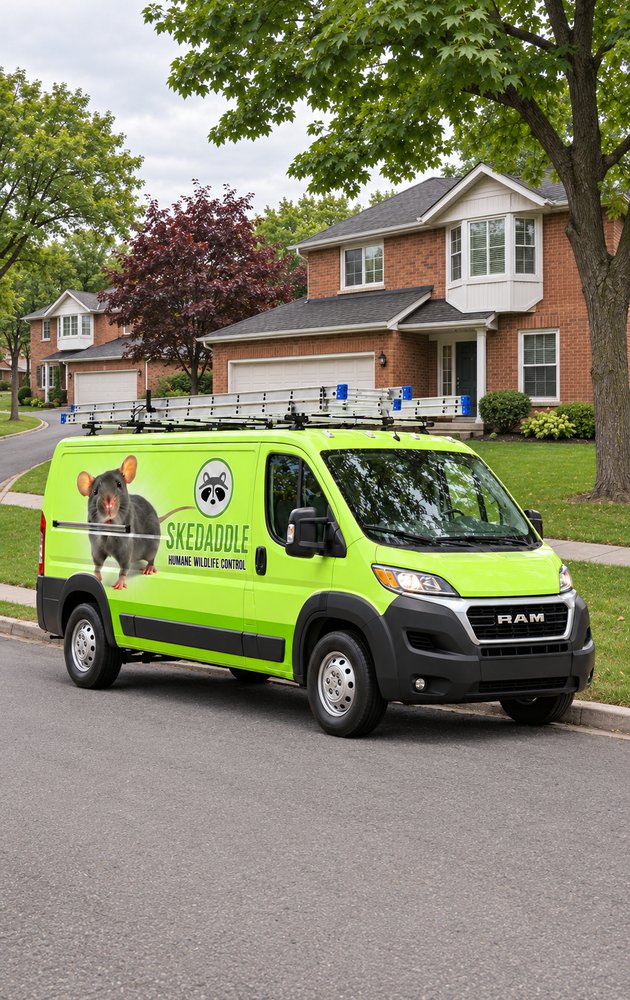
Pickering homeowners call us for the same reasons their neighbours do. They want the animal out humanely, the house sealed properly and a clear price before any work begins. Here's what stands behind that.
Pickering's creek valleys run from the lake right up through its neighbourhoods. Frenchman's Bay is one of the large coastal wetlands on Lake Ontario's north shore, the 53-hectare Altona Forest is a designated environmentally significant area, and the 70-hectare Petticoat Creek Conservation Area follows its creek down to the lake. Those corridors bring raccoons, squirrels and skunks to backyards. In the past 12 months, our GTA crews completed more than 450 wildlife and pest jobs in Pickering.
Our technicians train to written protocols for roof safety, attic entry and species-specific exclusion, and our humane methods are approved by SPCAs and Humane Societies. We follow Ontario's rules on wild animals damaging property, including releasing live-captured animals within one kilometre. That matters here because Pickering Animal Services responds to sick or injured wildlife on City streets and property, but not to wildlife living in a home, so removal from a home is left to a qualified private service.
Removing an animal solves today's problem. The seal decides whether it comes back. Every entry point we close carries a lifetime guarantee on all workmanship and materials, and if sealed work fails, we return and repair it at no charge. That is why our inspection documents every gap, from roof vents to the foundation sill, before we write a quote. Pickering's homes range from older streets in Bay Ridges, Rosebank and West Shore to new builds in Seaton and Duffin Heights, and the guarantee works the same way on all of them.

General Manager
Tisha joined Skedaddle in September 2017 as General Manager of both the Toronto and Durham Region locations. Skedaddle's approach to safety, humane wildlife treatment and customer service led her to change industries after a career managing lawn care locations in Ontario and British Columbia. She takes pride in giving homeowners permanent solutions and enjoys the unpredictability of working with wildlife.

Field Supervisor
Colin is a graduate of the Fish & Wildlife program at Fleming College. He trains and mentors new staff and shares what he knows about urban wildlife with the public. He enjoys working outdoors and hands-on with animals, and he is a Scout Leader with the 1st Newcastle troop.

Wildlife Specialist
Harley holds a diploma in Law and Public Safety from Seneca College and chose Skedaddle for its commitment to customer service. He is family- and community-oriented and volunteers regularly with Fellowship Pickering Children's Ministries. Off the job, he spends time with his wife and has a passion for woodworking.

Wildlife Technician
Chris has a sincere love for animals and enjoys fixing things, which made Skedaddle a natural fit. His favourite calls are raccoons, especially when babies are involved. Away from work, most of his time goes to his family and his five children.
Watch our team carry out a humane bat exclusion on a Pickering home, using Skedaddle wildlife sealant to close the gaps bats use so they can't get back inside.
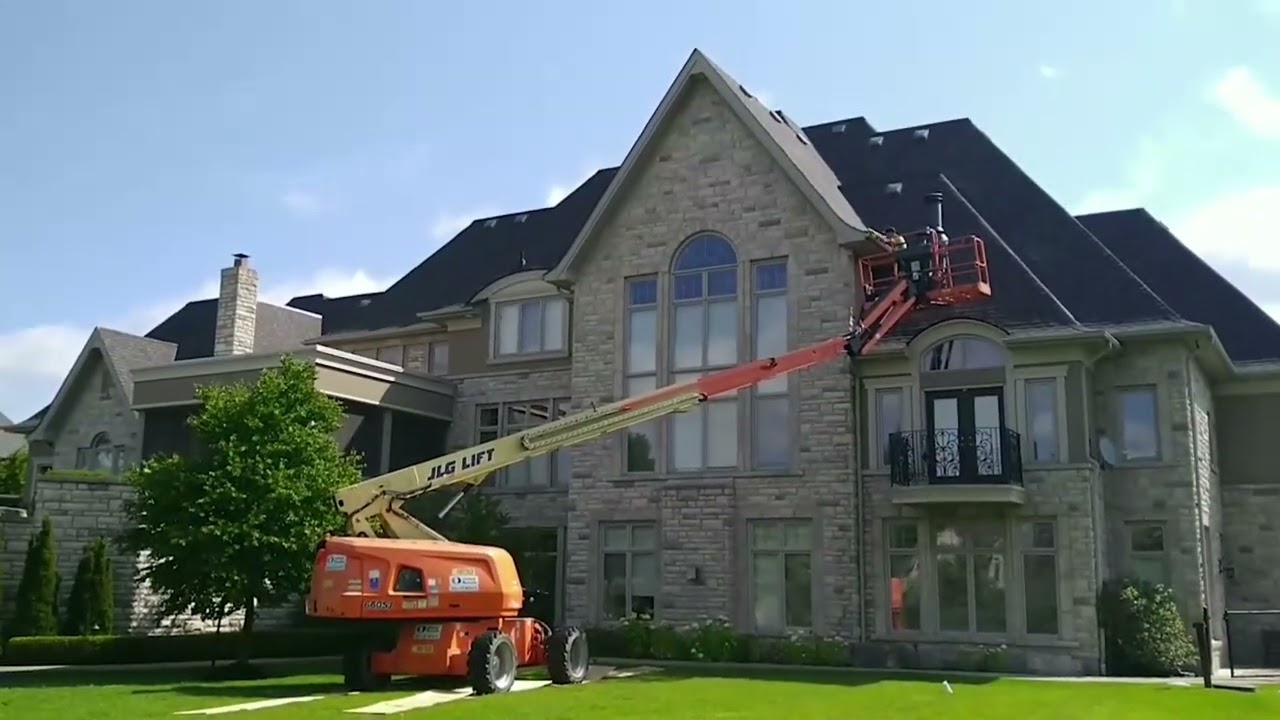
Mice, squirrels, raccoons and bats lead our wildlife work in Pickering. Petticoat, Dunbarton, Pine and Duffins Creeks carry wooded valleys from the waterfront up through the urban area, mature trees in established neighbourhoods like Rosebank and Bay Ridges put branches within reach of rooflines, and new construction in Seaton keeps disturbing the ground where rodents live. Winter changes what each animal is doing, so every section below explains what we look for right now and how we handle it humanely.
Mice are our biggest and most frequent wildlife job in Pickering, and winter is when they move indoors. The City's Property Standards By-law 7887/21 requires buildings to be kept free of rodents and foundations to be kept in good repair so rodents can't get in. That matches our approach. We trace every gap at the sill plate, utility lines and garage, seal it, then clean up the droppings and nesting left behind.
Grey squirrels don't hibernate. They breed from December to February, and first litters are born in February and March. A squirrel in a Pickering attic this winter may be a female preparing a nest, especially in homes backing onto the creek valleys. We find the entry at the soffit, gable vent or roof edge, check for young and seal with heavy-gauge material squirrels can't chew through.
Raccoons spend much of the winter resting in dens and mate in late winter, with the season starting as early as January. That makes now the time to fix the chimney cap, roof vent or soffit corner a raccoon is using, before a mother moves in with spring kits.
Big brown bats can spend the winter hibernating inside buildings. The Ontario MNR bat exclusion guide calls December to the end of March a good time to seal entrances completely, but only once no bats remain, since bats evicted in the cold would likely die. We confirm whether bats are present first. Where they are, we plan the exclusion for April, using one-way doors where appropriate.
Rats, skunks and birds round out our Pickering work. Rat removal starts at ground level with sealed foundations and tidy yards, and in 2023 the City adopted an Animal Poisoning Prevention Policy that limits rodenticide use on City property because of the harm it does to other wildlife. Skunk removal relies on a buried screen barrier under decks, porches and sheds, ideally before skunks breed in February and March. Bird removal usually means starlings or sparrows in dryer and bathroom vents, which we clear and screen before spring nesting.
Scratching at dawn, heavy thumping after dark or a faint squeak inside a wall each point to a different animal. An inspection of your Pickering home identifies what is there, finds where it is getting in and gives you a written plan before any work starts.
We serve homes across Pickering, one of the eight local area municipalities that make up Durham Region, from the Lake Ontario waterfront north through Seaton to the rural hamlets around Claremont. The names below come from the City of Pickering's Official Plan, and we confirm coverage by address when you book. If you don't see your neighbourhood, call and we'll check.
A Skedaddle inspection in Pickering is a full walk of your property, inside and out, that ends with a written plan and price. Our technician identifies the animal, finds every entry point from the roof peak to the foundation, and explains the work before anything starts. Here's how it runs:
Restoration scope is priced on the same written quote as the exclusion, so you see the whole job in one place before you approve it. Call (905) 213-5363 or book online to schedule your inspection.
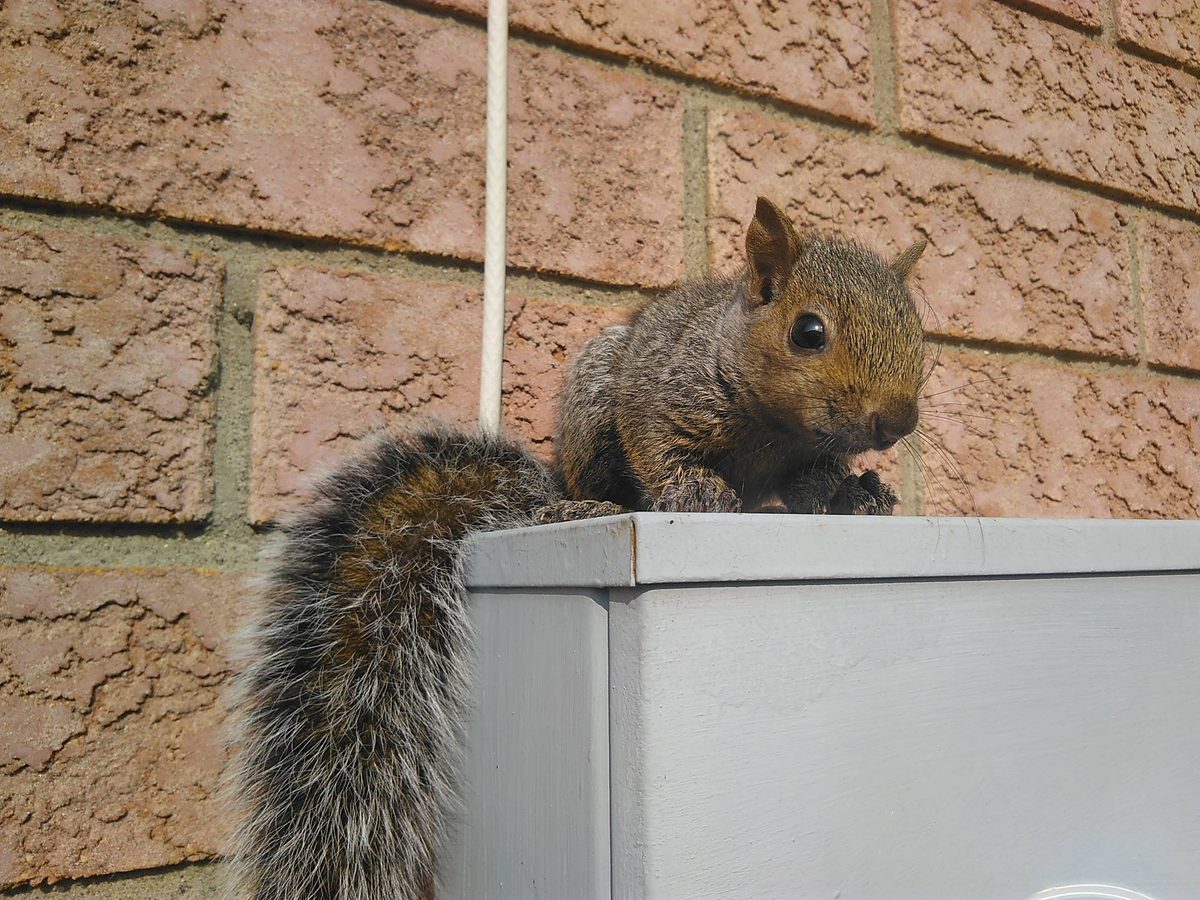

We start with a full inspection of your Pickering home, from the roofline and chimney to the garage and foundation, to identify the animal, find its access routes and check the attic, walls and crawl spaces it is using. We then choose a humane removal method suited to the species and the winter conditions, checking for dependent young and hibernating bats first. One-way devices are used only where they suit the situation, never by default.
Learn more
Once the animals are out, we assess any contamination and agree on the cleanup scope with you. In Pickering that is often mouse droppings along basement walls and garage sills, squirrel and raccoon nesting in attic insulation, or bat guano in a roof void. The work can include removing soiled material, decontaminating the affected space and restoring attic insulation where it was damaged. Many homes need only targeted cleanup, and we quote only what yours needs.
Learn more
We seal every confirmed and potential entry point once we know the animals are gone, using durable materials matched to the species, from chimney caps and roof-vent screens to sealed roofline gaps and foundation barriers. This exclusion work carries a lifetime guarantee on all workmanship and materials.
Learn morePickering sits on the Lake Ontario shoreline at the west end of Durham Region, with farmland and the Rouge and Duffins valleys to the north, cold, snowy winters and warm summers. The chart below shows what each season brings for wildlife here and how we plan our work around it. These are planning priorities, not counts of calls.
| Season | Wildlife focus | Our service focus |
|---|---|---|
| Winter (December–February) |
Mice and rats indoors; grey squirrels breeding and nesting in attics; raccoons resting in attics and chimneys and mating in late winter; big brown bats hibernating in some buildings; skunks denned | Trace and seal rodent entry; seal soffits and gable vents before squirrel litters arrive; cap chimneys; confirm no bats remain before any complete seal |
| Spring (March–May) |
Squirrel litters and raccoon kits in attics and chimneys; bats returning to roosts; skunks nesting under decks and sheds; birds nesting in vents | Hand retrieval and reunion of young; bat exclusion from April to early May, using one-way doors where appropriate; vent screening; seal once dens are empty |
| Summer (June–August) |
Bat maternity period from mid-May to mid-August; second squirrel litters; young raccoons and skunks on the move; rats active around yards and garages | No bat exclusion while flightless pups are present; deck and shed barriers; foundation sealing |
Quarterly focus: Winter (December 2026–February 2027)
Our winter priority in Pickering is keeping mice out of basements, walls and attached garages, and sealing attics and chimneys before the first squirrel litters arrive in February and raccoons mate in late winter. That means tracing rodent entry at foundations, garage doors and utility lines, sealing soffits, gable vents and roof edges, and capping chimneys. For bats, we check every roof void before we seal it, because the Ontario MNR bat exclusion guide says it is not humane to seal entrances completely while bats remain.
Every Pickering job runs on the same four commitments, whether the call is mice in a Bay Ridges basement or bats behind the fascia of a Rosebank home. The methods change with the animal and the season. The standards don't.
Our technicians choose the method after the inspection, not before. Depending on the species and the opening, that can mean one-way exclusion doors where appropriate, hand retrieval of young, species-specific exclusion hardware on vents and chimneys, or timing the work around a maternity window. In winter, that judgment matters most for bats, because a big brown bat hibernating in an attic should not be pushed out into the cold.
Squirrel litters arrive in attics from February, and raccoon kits follow in spring. When young are present, we retrieve them by hand and place them in a heated reunion box near the original entry, so the mother can move them to another den herself. We seal the opening only once the family has gone. That keeps young from being trapped and stops a frantic mother from tearing open a new hole.
Mice, squirrels, raccoons and bats leave droppings, urine and shredded insulation behind, and a winter of activity can flatten insulation across a large part of an attic. We remove contaminated material, decontaminate the affected area and restore insulation where the damage requires it, so your attic holds heat properly through the rest of the cold season. The scope is written on your quote before work begins.
Ontario rules keep evicted wildlife within a kilometre of your home, so the seal is what actually keeps it out. We close every entry point with durable materials suited to the species, from heavy-gauge screening on roof vents to sealant along rooflines and buried barriers under decks. That work carries a lifetime guarantee on all workmanship and materials, and if a sealed opening fails, we return and repair it.
PICKERING · PEST CONTROL
The same GTA crew that keeps wildlife out of Pickering homes handles pest calls too, using eco-friendly products and sealing the cracks and gaps insects use to get inside. For homes that want ongoing protection, our Four Seasons Pest Control program schedules four visits a year, each aimed at that season's pests. Restaurants, offices and plazas from Pickering City Centre to the Brock Road and Kingston Road corridors can also get a custom commercial pest control plan built around their high-traffic areas. Winter is a good time to take down old wasp nests and seal the gaps ants and other insects will use in spring. Here's what we treat:
Nests in soffits, sheds and wall voids, and in the ground near walkways.
Wasp and hornet control in the GTA →
Carpenter ants in damp wood and window frames, and pavement ants coming in from the yard.
Ant control in the GTA →
Activity in kitchens, bathrooms and the shared walls of townhouses, apartments and rentals.
Cockroach control in the GTA →
Bites, spotting on mattresses and activity after travel or a used-furniture purchase.
Bed bug control in the GTA →
Webs in basements, garages and window wells, where spiders follow the insects they feed on.
Spider control in the GTA →
Yard treatments that target standing water and shady breeding spots around decks and gardens.
Mosquito control in the GTA →

There is no flat price for wildlife removal in Pickering, because each job depends on the species, the number of entry points, the materials the seal needs and whether cleanup or insulation work is required. We inspect the property first and give you an itemized written quote on site before any work starts, so you know the full scope and cost before you decide.
Same-day service is sometimes available, but it cannot be guaranteed. We give priority to genuine urgency, such as a raccoon that has come through a ceiling into a living space or a bat flying inside the house during winter. Everything else takes the earliest available inspection, which is still the fastest route to a sealed home. Call (905) 213-5363 to check today's availability.
You can book a bat inspection now, and the timing of the exclusion depends on whether bats are still inside. The Ontario MNR bat exclusion guide calls December to the end of March a good time to seal a building completely, but only once no hibernating bats remain. If big brown bats are overwintering in your home, we plan the exclusion for April to early May, before the mid-May to mid-August pup season.
We serve homes across Pickering, from West Shore, Bay Ridges and Rosebank on the lake to Amberlea, Liverpool, Dunbarton and the City Centre in the middle of the city, Duffin Heights and Seaton to the north, and rural hamlets such as Claremont and Brougham. Pickering is part of Durham Region, and the same GTA team also serves Oshawa, Whitby and Ajax. Call with your address and we will confirm coverage.
Every job follows Ontario's wildlife rules. The Fish and Wildlife Conservation Act governs how wildlife may be handled, and provincial rules require live-captured animals to be released within one kilometre of where they were caught. We follow the MNR bat exclusion guide on timing, and our humane methods are approved by SPCAs and Humane Societies. Locally, Pickering Animal Services responds to sick or injured wildlife on City streets and property, but not to wildlife living in a home, so removal from a home is up to a qualified private service.
Mice and squirrels are the animals we are most likely to remove from Pickering homes this winter, followed by raccoons and bats. Mice move indoors as the cold sets in and keep breeding through the winter, and grey squirrels breed from December to February and look for warm attics to nest in. Raccoons rest in attics and chimneys ahead of their late-winter mating season, and some big brown bats hibernate inside buildings until spring.
Every Pickering job carries a lifetime guarantee on all workmanship and materials. If an entry point we sealed fails, we come back and repair it at no charge. Because the guarantee rests on the seal, our inspection documents every opening on your home, from the roof peak to the foundation, before we write the quote.
Once the animals are out, we assess the attic and clean up what they left behind. That can mean removing droppings, urine and nesting material, decontaminating the space and replacing soiled or flattened insulation where the damage requires it. Not every attic needs full restoration, so the cleanup scope is set out on the same written quote as the exclusion work, before anything begins.
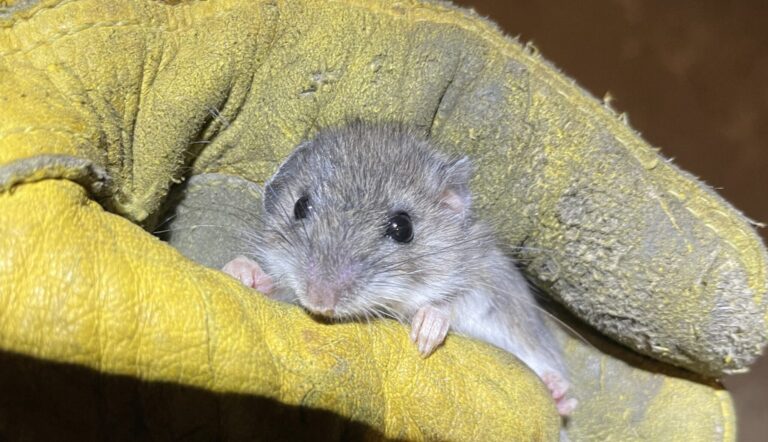
You might think mice are only a problem in the winter, but the truth is, mice don’t just pack their bags and leave when…
Read article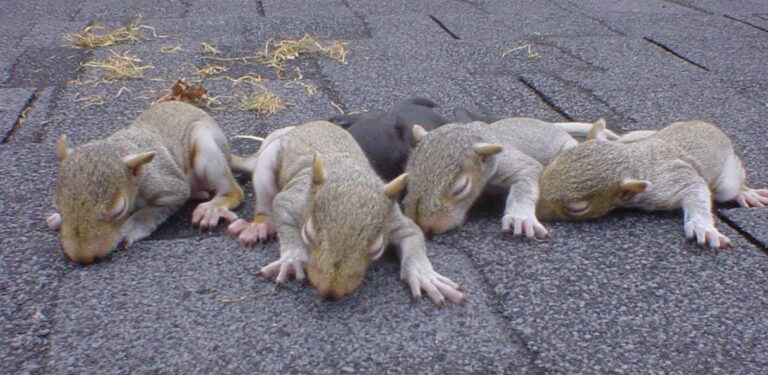
You might love watching wildlife play in the yard, but seeing them up high is a different story. If you are spotting squirrels on…
Read article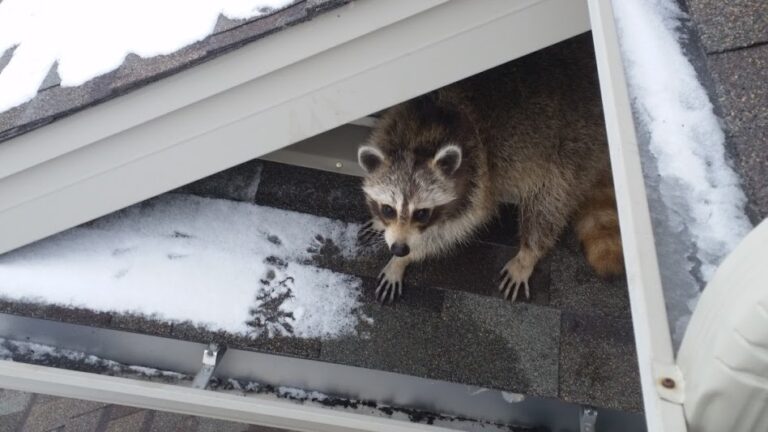
You know how bitter January feels in Canada. The snow piles high, the nights stretch long, and even stepping outside for a few minutes…
Read article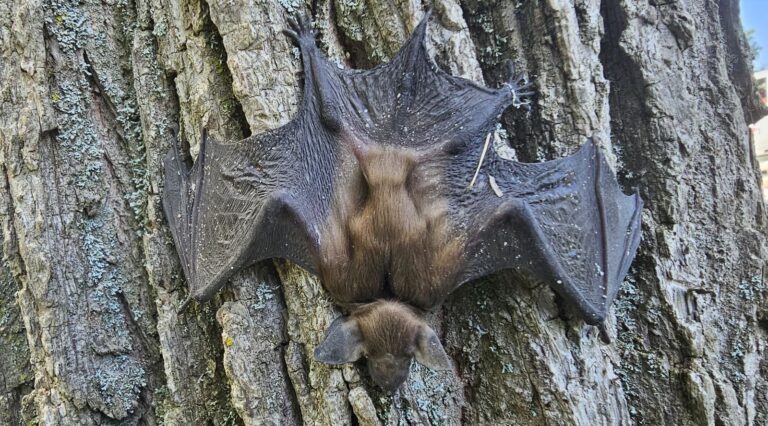
You care about your family’s safety, especially your children. When you hear about bats getting into homes in Pickering, your first thought might be:…
Read article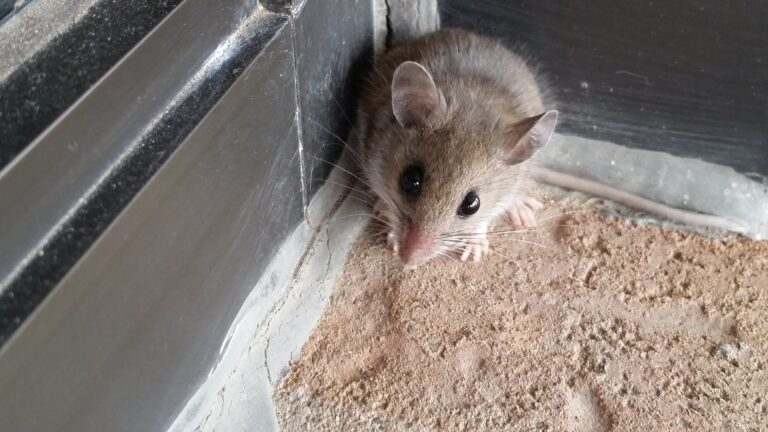
Some wildlife species that share the outdoor spaces in and around Pickering have adapted to living near humans because of the resources they provide…
Read article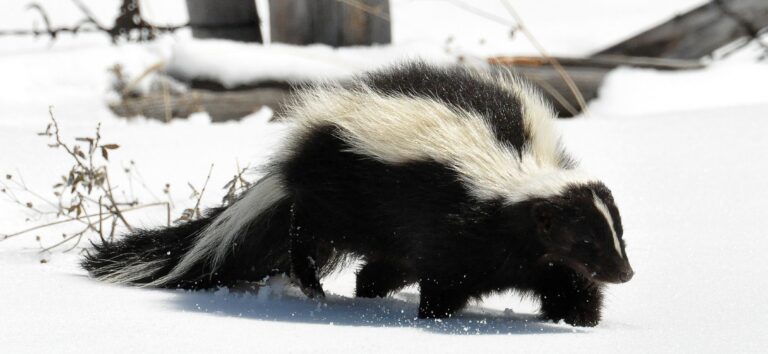
You step outside on a chilly winter morning and notice small tracks in the snow near your deck. Maybe you catch a faint smell…
Read article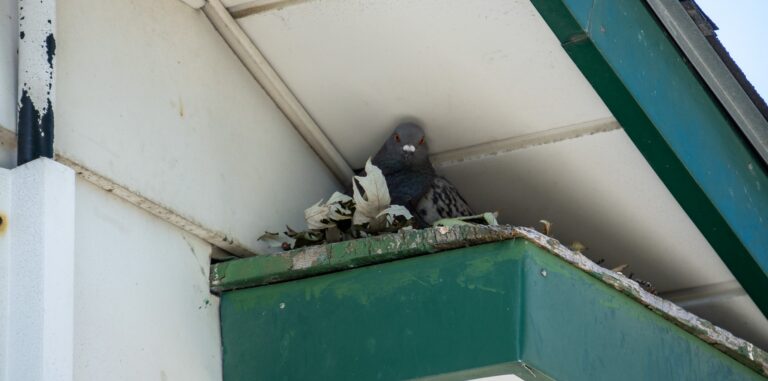
You notice sounds coming from above, soft tapping, fluttering, or chirping, and right away, you wonder what’s happening. When you hear birds in the…
Read articleMice in a Bay Ridges basement near Frenchman's Bay, squirrels in a Rosebank attic above Petticoat Creek, or bats hibernating behind the fascia of an Amberlea home: whatever you are hearing, the fix starts the same way. We identify the animal, choose a method matched to the species, retrieve any young by hand and seal every entry point, then decontaminate and restore the attic where needed. Our humane methods are approved by SPCAs and Humane Societies, and the work carries a lifetime guarantee on all workmanship and materials.
 menu