Your garage is one of the most vulnerable spots on your property when it comes to wildlife getting inside. It has more gaps, more attractants, and more ways in than almost any other part of your home, and most homeowners don’t realize it until something is already living in there. Raccoons, squirrels, skunks, and mice all target garages regularly, and Windsor properties are no exception.
You might think your garage is sealed up tight. But a worn rubber seal along the bottom of the door, a small gap at the side frame, or a bag of pet food stored on a shelf is all it takes to bring wildlife in. Once they’re inside the garage, getting into the rest of your home is often just a matter of finding the next gap, and there are usually several.
At Skedaddle Humane Wildlife Control in Windsor, we inspect and secure garages as part of almost every wildlife call we respond to. In this blog, we walk you through exactly why garages are such a common entry point, what makes Windsor properties especially vulnerable, and what our team does to fix the problem completely.
How Do I Get Mice Out of My Garage?
The right way to get mice out of your garage is to call our professional team, not to set traps and hope for the best. Traps catch individual animals but don’t address why they got in or how many are present. The only complete solution is a full inspection that finds every entry point, followed by exclusion work that seals them all properly.
Mice in your garage are almost never just in the garage. They move through gaps in the shared wall between the garage and the living space, along utility lines, and through any unsealed opening they can find. By the time most homeowners notice the signs – droppings along the wall, chew marks on stored items, or scratching sounds – the animals have likely already spread into the home beyond the garage itself.
Do not attempt to clean up droppings or handle any area of the garage where mice have been active. Mouse droppings carry harmful bacteria and need to be dealt with by our professional team with the right protective equipment. Call our team at Skedaddle right away and let us assess the full scope of the situation before anything else gets touched.
Structural Weak Points of Garage Doors
Garage doors have more vulnerabilities than most people realize and wildlife is very good at finding and using them. Here’s what our team looks for when inspecting a garage:
- The Bottom Seal: The rubber weather seal that runs along the bottom of your garage door degrades over time. It cracks, warps, and pulls away from the door, leaving a gap along the full width of the opening that mice can squeeze through with ease. Even a seal that looks intact from the outside may have soft or cracked sections that these animals chew through to get inside. Our team checks the full length of the bottom seal as part of every garage inspection.
- Rodent Chewing Along the Door Frame: Mice and other small animals will chew through soft rubber and vinyl weatherstripping when they can smell food or warmth on the other side. This kind of damage is easy to miss because it often happens in corners and along the lower edges of the frame where it’s hard to see. Once the stripping is compromised, the gap it was covering becomes an open entry point. Our team looks for chew marks and damaged stripping along every edge of the door frame.
- Side Gaps Along the Frame: A garage door that doesn’t sit perfectly flush against the side frame leaves a gap along one or both sides. Raccoons have strong claws and are capable of pulling these side seals back to create an opening large enough to squeeze through. Squirrels and mice need far less even a small misalignment in the door’s fit creates enough space for them to get in. Our team checks the full fit of the door against the frame and flags every gap that needs to be addressed.
How Human Habits Make Garages Easy Targets
The way most people use their garage creates conditions that make it easy for wildlife to get inside. Here’s how everyday habits open the door sometimes literally:
- The Go-Between Habit: Many Windsor homeowners use the garage as a constant transition zone, moving in and out multiple times a day to get tools, take out garbage, load the car, or access the backyard. Every time the garage door goes up and comes back down, there’s a window of time when wildlife near your property can move in. These animals are fast, quiet, and opportunistic and they don’t need much time to slip inside unnoticed.
- Leaving Doors Open During the Day: Leaving the overhead garage door open for extended periods, while working in the yard, during a home project, or just for fresh air, is one of the most common ways wildlife gets in. An open garage door is an open invitation. Raccoons, squirrels, and skunks will walk straight in if the door is up and they’ve already identified the garage as a food source or shelter option. Even leaving it open for 20 minutes while you work outside is enough time for an animal to move in and find a hiding spot.
- The Side Entry Door: Many garages have a separate entry door that leads to the backyard or side of the house. These doors are often less well-sealed than the main overhead door: gaps under the door, around the frame, and near the hinges are all common. If this door is left open or poorly sealed, it creates another straightforward entry point that our team checks as part of every inspection.
What’s Inside Your Garage That Attracts Wildlife
 Even if your garage is reasonably well-sealed, what’s stored inside it can draw wildlife in and give them a reason to work harder to get through. Here’s what our team looks for inside the garage:
- Stored Food Sources: Pet food, birdseed, grass seed, and garbage bins stored in the garage give off strong smells that attract raccoons, skunks, and mice from a significant distance. These animals follow their noses, and a garage that smells like food is worth investigating and pushing into. Bags of pet food stored on a shelf or on the floor are one of the most common attractants we find during garage inspections.
- Garbage and Recycling Bins: Garbage bins stored in the garage, especially those that aren’t fully sealed, create a persistent scent trail that pulls wildlife toward the building. Raccoons are especially persistent when they can smell food waste. They’ll push at weak points in the garage door seal, work at side gaps, and return night after night once they’ve identified the garage as a food source.
- Clutter and Stored Materials: Piles of boxes, seasonal items, tools, and building materials create quiet, dark, sheltered spaces that are perfect for nesting. Wildlife that gets into a cluttered garage has dozens of hiding spots available, which makes it much harder to find them and much easier for them to settle in for the long term. Our team checks the full interior of the garage during the inspection, not just the entry points.
Windsor’s Unique Environment
Windsor is a city where busy neighbourhoods sit right next to natural areas that are full of wildlife. The Detroit River corridor, nearby ravines, and the mix of city and rural land around Windsor create the perfect conditions for raccoons, skunks, squirrels, and mice to thrive. As the city grows and open land shrinks, these animals move further into residential areas, and garages are one of the first places they look.
Windsor winters are cold, and that pushes wildlife hard toward warm shelter from October through March. Garages are a great option for them, warmer than outside, full of food smells, and often easier to get into than the main part of the home. As the temperature drops each fall, the pressure on garages goes up, which is why that’s our busiest time of year for wildlife calls in Windsor.
Older neighbourhoods in Windsor add even more risk. Homes built decades ago have garage doors, frames, and seals that have worn down over time. A door installed 20 years ago with the original bottom seal is very likely letting animals in already. Our team knows exactly what to look for in these older properties and checks every weak spot during the inspection.
How the Garage Becomes a Bridge Into Your Home
A wildlife problem that starts in the garage almost never stays there. The wall shared between an attached garage and the rest of the home is usually the next step and it tends to have more gaps than homeowners expect. Pipes, wires, and utility lines all pass through that wall, and if the spaces around them aren’t properly sealed, they become an easy path from the garage into the home.
Mice are the most common animals to make this move. They can squeeze through a gap the size of a dime, so even a small unsealed opening around a pipe is enough. Once they’re through the wall, they spread into wall cavities, move through ceiling spaces, and can reach the attic quickly. A mouse problem in the garage is almost always a mouse problem in the home too even if you haven’t spotted the signs yet.
Raccoons and squirrels can also push through larger gaps and damaged areas in the shared wall or ceiling. A raccoon that has settled into your garage will look for every possible way to get further inside. Our team checks the shared wall during every garage inspection every pipe penetration, every gap, and every section where the seal has worn down. Closing off these pathways is just as important as sealing the outside entry points.
Wildlife Removal and Prevention with Skedaddle
If wildlife has gotten into your garage or is using it as a path into the rest of your home. Call our team at Skedaddle Humane Wildlife Control right away. We start with a full inspection of the garage and the outside of your home, checking every possible entry point from the bottom of the overhead door to the gaps in the shared wall. We look at the whole picture so nothing gets missed.
We use one-way door systems that let animals leave on their own without being able to get back in. We pair that with exclusion work that seals every entry point with materials that last. We never seal an opening before we know what’s on the other side because closing a gap with animals still inside makes everything harder to fix.
Prevention is the last step, and it’s just as important as removal. Once the animals are gone and the entry points are closed, we look at what was drawing them to your garage in the first place. Stored food, clutter, and worn door seals all get dealt with as part of a complete plan. Our goal is to make your garage as unappealing and hard to get into as possible and to make sure it stays that way. We handle all of it so you don’t have to do any part of it yourself.
Frequently Asked Questions
How do I know if wildlife is already inside my garage?
Look for droppings along the walls and in corners, chew marks on stored items or the door frame, nesting material in cluttered areas, and any unusual smell. Scratching sounds, especially at night, are also a strong indicator. If you notice any of these signs, call our team right away rather than investigating on your own.
Can raccoons really get in through a garage door?
Yes. Raccoons are strong and persistent. They'll push at weak seals, pull at side gaps, and work at any point along the door frame that gives them enough grip. A door that doesn't seal perfectly is enough for a determined raccoon to work with over time.
Is a detached garage safer than an attached one?
Detached garages carry less risk of wildlife spreading into the main home, but they're just as vulnerable to wildlife getting inside. The difference is that an attached garage gives animals a direct path into the living space, which makes the attached garage the higher priority for inspection and exclusion work.
What should I do if I find a raccoon or skunk in my garage?
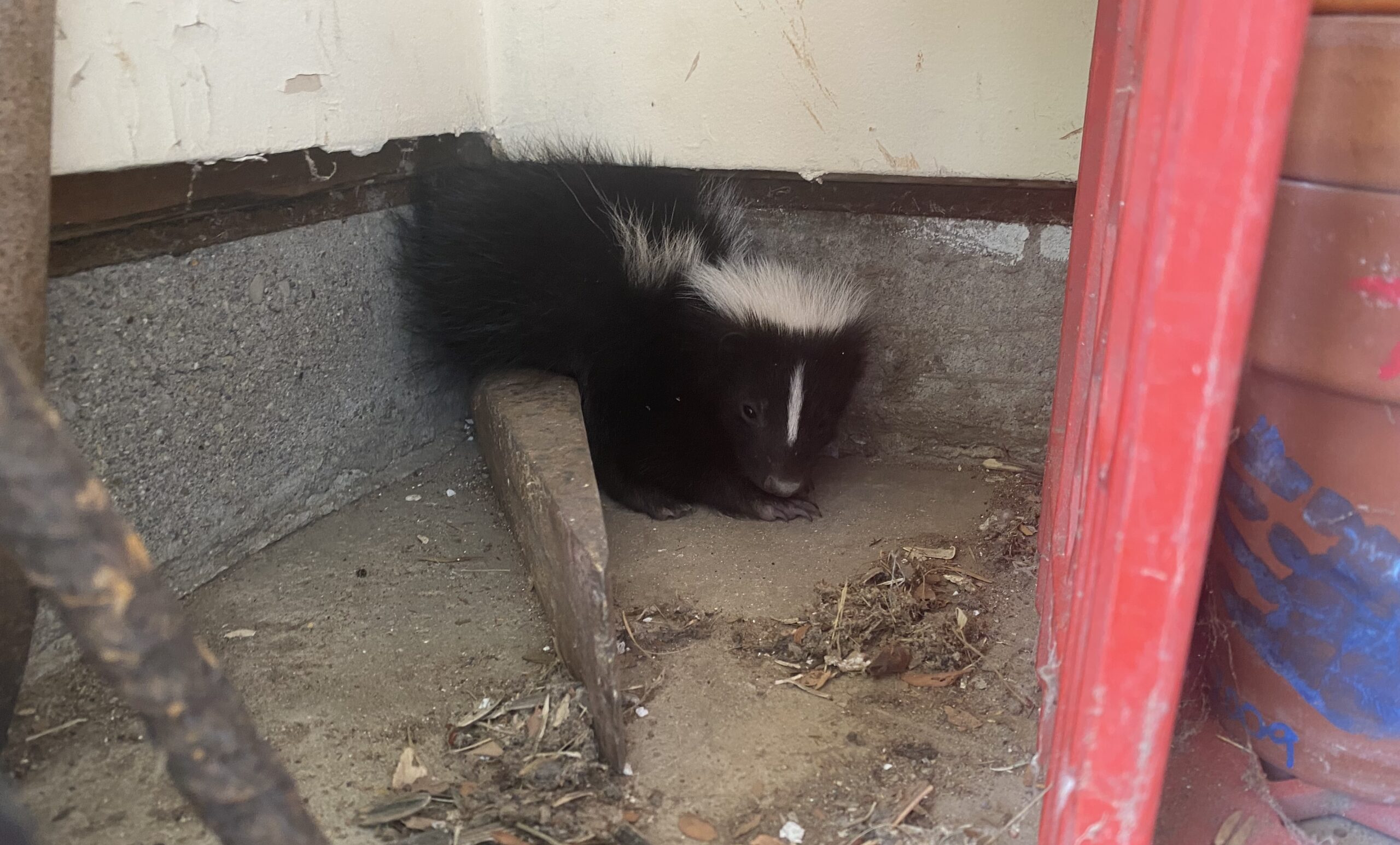
Do not approach it or try to chase it out yourself. Keep children and pets away from the garage and call our team immediately. A cornered animal will act defensively, and a skunk in particular will spray if it feels threatened. Let our team handle the removal safely.
How often should I have my garage inspected for wildlife entry points?
We recommend an inspection at least once a year, ideally in late summer or early fall before wildlife starts pushing toward warm shelter. If you've had a wildlife problem in the past or if there's been any storm damage or construction nearby, an additional inspection is a good idea.
Can mice really get from the garage into the rest of my home?
Yes, very easily. The shared wall between an attached garage and the living space is full of utility penetrations and gaps that mice can squeeze through. A mouse problem in the garage is almost always a mouse problem in the home as well, even if you haven't seen the signs yet.
Your Garage Shouldn’t Be a Welcome Mat for Wildlife, Let’s Fix That
Garages are one of the most common and most overlooked entry points for wildlife in Windsor. Worn door seals, side gaps, stored food, and cluttered storage areas all make them an easy target, and once animals are inside, the path into the rest of your home is usually a short one. The problem doesn’t fix itself, and it doesn’t stay in the garage.
The right response is a full inspection that finds every entry point and exclusion work that seals them all properly. You don’t have to figure out where they’re getting in or deal with any part of the removal yourself. That’s exactly what our team is here for.
At Skedaddle Humane Wildlife Control in Windsor, we’ll inspect your garage and the surrounding exterior, identify every entry point, and take care of everything from removal to prevention. Contact us today to request an estimate and find out how we can help protect your home from the garage door in.

 Loading...