Help with birds in your vents, soffits or balcony, with a plan built around the nest, the young and the kind of bird that built it.
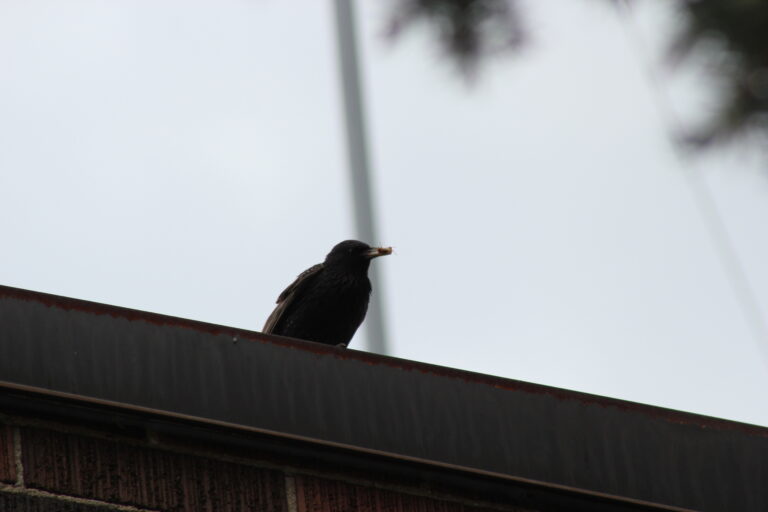
Skedaddle removes nesting birds from dryer, bathroom and kitchen vents, soffits and roof openings across Toronto and the Greater Toronto Area, from Oshawa and Newmarket to Mississauga and Burlington. We identify the bird and check for eggs or young first. Where it's safe to do so, baby starlings go into a temporary nest by the vent. Then we clear the nest, replace or screen the vent and seal the openings.
Lifetime guarantee on all workmanship and materials
Why homeowners choose Skedaddle
Birds build fast, they come back to the same openings, and there are often eggs or young in the nest by the time you notice. Our GTA team plans every bird job around the bird, the nest and the building.
An inspection built around your home
Before we recommend anything, we identify the bird, find the nest and check for eggs or young. We look over every vent, soffit, roof edge and ledge too, because a bird shut out of one opening will try the next one.
Humane removal, then prevention
Where it's safe to do so, baby starlings stay close to their parents in a temporary nest while we work. Then we clear the nest and replace or screen the vent, so the fix holds after we leave. For pigeons, we add deterrents for ledges and balconies where needed.
A guarantee on the work we do
Every vent and entry point we screen or seal carries our lifetime guarantee on all workmanship and materials. If a protected point fails, we come back and repair it. The guarantee covers the exclusion work set out in your quote.
Signs of nesting birds and how they get in
Birds in a vent or soffit are usually heard before they're seen. Here's what usually points to nesting birds, and what we look at when we arrive.
SIGNS
Signs worth checking
Chirping or scratching in a vent or ceiling, especially early in the morning, birds flying in and out of the same spot, nesting material or feathers near an opening, droppings on the siding or walkway below, and less airflow from a dryer or bathroom fan, as the older Toronto bird page lists. Musty or odd smells when a vent runs are another clue.
ACCESS POINTS
How birds get in
Starlings, sparrows and pigeons nest in dryer and bathroom exhaust vents, behind soffits and under rooftop equipment, as the GTA hub explains. Many vent covers are lightweight plastic that breaks down over time and leaves an open gap, according to General Manager Tisha Hicks's post on birds in vents.
NEST AND DAMAGE
What our inspection checks for
Starlings pack dry grass and twigs into vents, and that material is a fire risk next to a dryer or exhaust fan. A blocked vent is also a moisture and airflow problem, and the vent assembly often needs replacing rather than clearing.
Not sure what is getting in?
Scratching or chirping in a wall could be birds, a squirrel or mice. Our technician will confirm the animal, check for eggs or young and show you how it's getting in before anything is quoted.
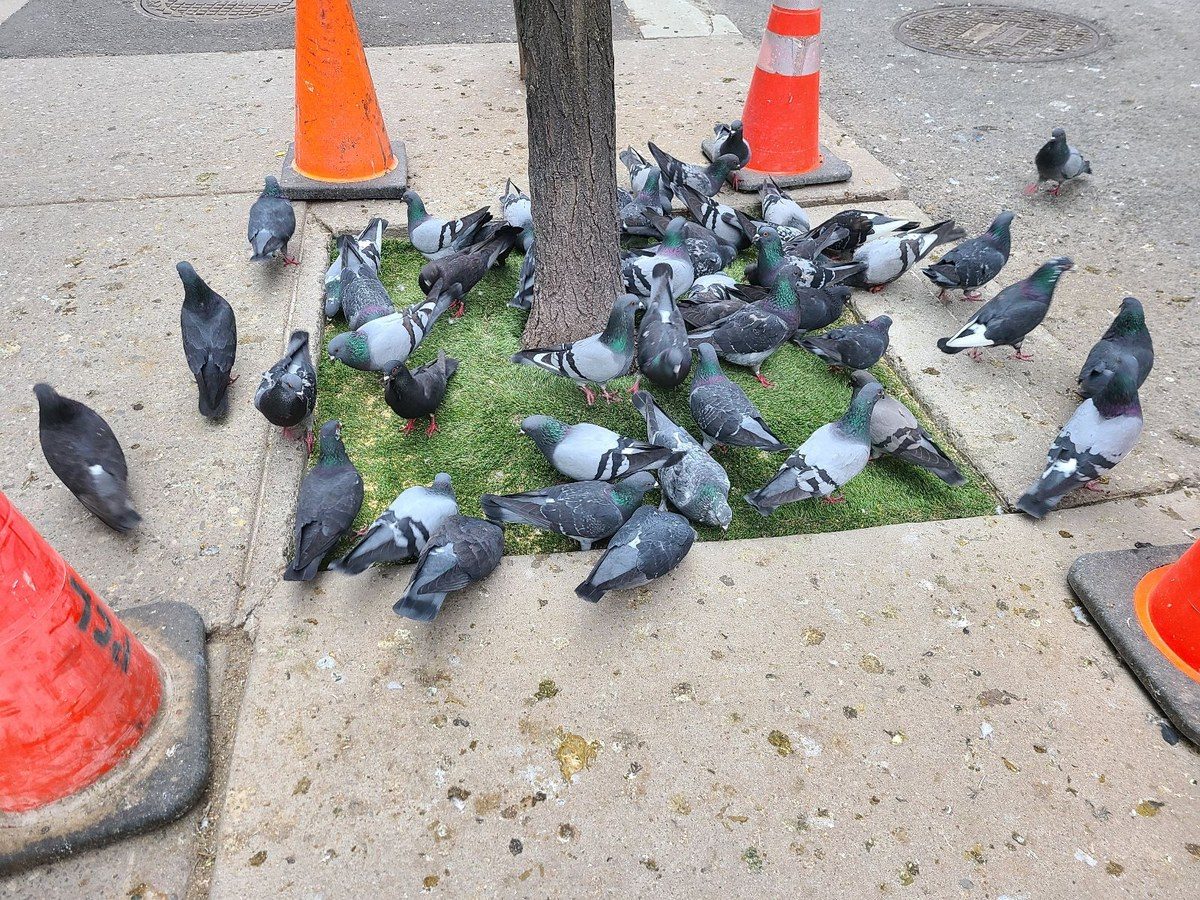
The birds that cause the most trouble in GTA homes aren't native. European starlings, house sparrows and rock pigeons were all introduced to North America and now thrive in cities (Environment and Climate Change Canada). Starlings and sparrows are the usual birds in a dryer or bathroom vent. In a city of condos and towers, pigeons also settle on ledges, balconies and sills, as the GTA hub notes.
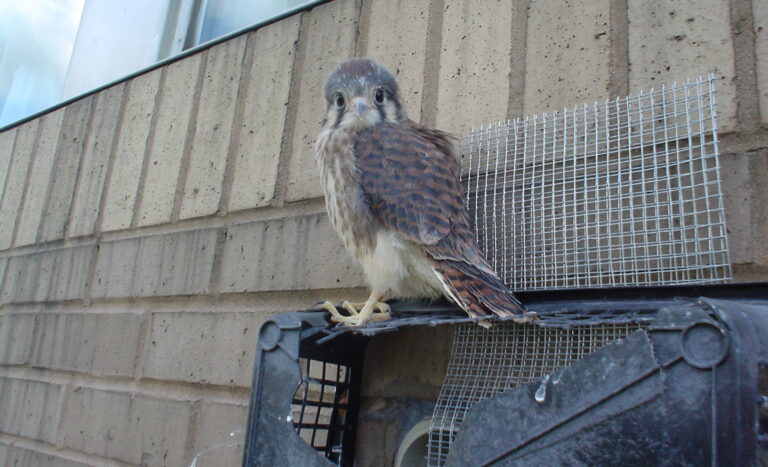
Which bird it is matters, because the rules are different. Ontario doesn't require approval under the Fish and Wildlife Conservation Act to remove the nest of a house sparrow or European starling (Government of Ontario), and no federal permit is needed for pigeons, house sparrows or starlings (Transport Canada). Most native birds are different: their nests are protected under the federal Migratory Birds Regulations while they hold a live bird or a viable egg, including on private land (Environment and Climate Change Canada).
So we identify the bird before we touch the nest, and we plan the removal around the rules that apply to it. Most chicks depend on their mother in the nest for about their first three weeks and can't fly yet, so removal usually waits until the young can fly. The rare exception is young starlings in a kitchen or bathroom vent, which can be moved safely by hand into a temporary nest.
What to expect from a Skedaddle inspection
Every bird job starts with an inspection of the vents, soffits, roofline, chimney, balconies and ledges. We confirm which bird it is, where it's nesting, whether there are eggs or young, and every opening birds could use. Then we write up the removal, vent work and sealing your home needs.
Species and activity: We confirm whether it's a starling, house sparrow, pigeon or a protected native bird, and whether the nest is active.
Entry and backup openings: The vent or gap in use, plus the other vents, soffit gaps and roof edges birds could move to next.
Nest, young and affected areas: Where the nest is, whether there are eggs or nestlings, and how far nesting material and droppings reach into the vent, wall or attic.
Removal, vent and cleanup scope: Whether the young can be moved to a temporary nest or the removal has to wait, whether the vent needs replacing or screening, which openings need sealing and which areas need cleaning.
Your technician walks you through what they found and leaves an itemized written quote on site, so you know the plan and the price before any work begins.
Skedaddle's Three-Step Wildlife Removal Process
Step 1
Assess and Remove
We identify the bird and check for eggs and young. Where it's safe to do so, baby starlings in a vent are lifted out by hand into a temporary nest container secured to the outside wall, so the parents can keep feeding them. Otherwise, the removal waits until the young can fly.
Once the nest is out, we clear the packed nesting material and droppings, clean the affected areas and replace the vent assembly where it's needed, as set out in your quote.
We fit screened vent covers, seal the gaps birds were using and add deterrents for ledges and balconies where needed. Once the young can fly, we come back to remove any temporary nest. All of it carries our lifetime guarantee on all workmanship and materials.
Bird activity in the GTA follows the nesting season, and so does the way we plan your removal.
Season
What may change
What it means for the homeowner
Winter(Dec–Feb)
What may changePigeons can nest year-round and raise up to six broods a year (All About Birds). Starlings and sparrows aren't nesting yet, though birds that stay for the winter look for sheltered spots in vents and eaves.
What it means for the homeownerA good time to clear old nests and screen vents before spring nesting, and to plan pigeon deterrents.
Spring(Mar–May)
What may changeBirds start building nests in vents. Starling eggs hatch after about 12 days (All About Birds).
What it means for the homeownerIf you hear chirping in a vent, there are probably eggs or young. We plan the removal around them.
Summer(Jun–Aug)
What may changeThe busiest nesting season runs from late spring through early August. Starlings raise one or two broods a year, and young leave the nest 21 to 23 days after hatching (All About Birds).
What it means for the homeownerAn unscreened vent can be used again for a second nest. We screen it once the young are out or moved to a temporary nest.
Fall(Sep–Nov)
What may changeStarling and sparrow nesting winds down, while pigeons keep using ledges and balconies. Mites left in an empty nest look for a new host.
What it means for the homeownerEmpty nests can be cleared and vents replaced or screened before next spring.
Nesting material packed into a dryer or exhaust vent burns easily, so we clear the nest completely, not only the part you can see from outside.
A humane approach to bird removal
Birds nest fast, protect their young and come back to the same openings, so how we handle the nest matters. Here's how we approach a bird job.
Removal led by the inspection
Every bird removal needs its own plan, based on the species, where the birds are and how they're behaving. For starlings and sparrows in vents, that means planning around the nest and any young. For pigeons on a balcony or ledge, it means deterrents built for that spot where needed.
Keeping the young in the removal plan
Where it's safe to do so, we lift baby starlings out of a kitchen or bathroom vent by hand and place them in a temporary nest container on the outside wall. We screen the vent, the parents move into the temporary nest and keep feeding the young, and we come back to remove the container once they can fly. Otherwise, and always for protected native birds, the removal waits until the young have flown.
Cleanup and repair
Nesting material and droppings can create contamination and odour inside vents and attics. We remove the nests and debris and clean the space, as the older Toronto bird page describes. Where a vent assembly is damaged or clogged, we replace it rather than just clearing it.
Long-term exclusion
We fit screened vent covers, seal gaps at the soffit and roofline, and add deterrents for ledges and balconies where needed. Our lifetime guarantee covers all workmanship and materials on the exclusion work in your quote. Parts of the building we didn't protect aren't covered.
Ready for a property-specific plan?
Tell us what you're hearing and where. We'll inspect the vents, roofline and ledges, identify the bird, check for young, and set out the removal, vent work and sealing in a written quote.
In Toronto, bird removal is often pigeons on balconies and ledges, or starlings and sparrows nesting in dryer and bathroom vents. As a vertical city, Toronto's apartments, condos and office towers are particularly prone to pigeons, which roost on many roofs but settle into one spot to nest. In North York, it usually means pigeons on condo balconies along Yonge Street.
Condo balconies bring their own problems. Birds nest in covered planters, tear up cushions for nesting material, and build in vents and drain covers, where a blocked vent or drain can cause moisture damage, as Tisha Hicks explains in her post on condo balconies. Bringing seed-based pet food indoors and keeping the balcony clean helps, the post notes.
Beyond the city, vents are the usual problem. In Ajax, bird removal is mostly starlings or sparrows in dryer and bathroom vents, which we clear and screen. Summer is the busiest nesting season there, with the most calls about blocked vents, attic sounds and strange smells coming in from late spring through early August, as Tisha describes in her post on birds in vents. Homes from Oshawa and Newmarket to Mississauga, Oakville and Burlington have the same dryer, bathroom and kitchen vents on their outside walls, and the same work applies.
Our GTA team knows these buildings. General Manager Tisha Hicks has led the Toronto and Durham Region locations since 2017 and writes many of our local bird posts, and Field Supervisor Colin Sears, a graduate of Fleming College's Fish & Wildlife program, trains and mentors our new technicians. Whether it's a balcony on a Yonge Street condo, a dryer vent in Ajax or a bathroom fan in Burlington, we follow the same steps: identify the bird, protect the young and seal the way in.
Frequently asked questions about bird removal
Have a question about birds at your home or building? Here are the ones we hear most.
How much does bird removal cost in the GTA?
The cost depends on the kind of bird, where it's nesting, whether there are eggs or young, and whether the vent needs clearing, replacing or screening. One dryer vent is a different job from a row of roof vents or pigeons on a condo balcony. We inspect first and leave an itemized written quote on site before any work begins.
Can you remove birds the same day I call?
Same-day service is often available, and many customers mention our quick response in their reviews. It isn't guaranteed, because availability depends on crew scheduling and the time of year. A bird loose in your living space gets priority, the same as with our Ottawa team, so tell the office right away when you call.
How do you remove birds from a vent humanely?
We identify the bird and check for eggs or young first. Where it's safe to do so, baby starlings are lifted out by hand into a temporary nest container on the outside wall, so the parents can keep feeding them. Otherwise, removal waits until the young can fly. Then we clear the nest and replace or screen the vent.
Which areas do you serve?
Skedaddle removes birds across the GTA: Toronto, North York and Scarborough; Oshawa, Whitby, Ajax and Pickering in Durham Region; Markham and Newmarket in York Region; Mississauga in Peel Region; and Oakville and Burlington in Halton Region. Call (289) 801-0601 with your address and we'll confirm service.
What does the guarantee cover?
Our lifetime guarantee covers all workmanship and materials on the vents and entry points we screen or seal as part of your bird job. If one of those points fails, we come back and repair it. The guarantee applies to the exclusion work in your quote, not to parts of the building we didn't protect.
Is cleanup or restoration included?
Cleanup is assessed during the inspection and written into your quote when it's needed. That can mean pulling packed nesting material out of a vent, replacing the vent assembly, removing droppings and cleaning the area. We don't assume every vent needs replacing; we tell you what we found and why.
What happens if there are baby birds in my vent?
Where it's safe to do so, we lift baby starlings out by hand into a temporary nest on the outside wall, screen the vent, and come back for the container once they can fly. Young starlings leave the nest about three weeks after hatching (All About Birds). Otherwise, removal waits until the young have flown.
Is it legal to remove a bird nest in Ontario?
It depends on the bird. Ontario doesn't require approval to remove house sparrow or European starling nests (Government of Ontario). Nests of most native birds are protected under federal law while they hold a live bird or a viable egg (Environment and Climate Change Canada). We identify the bird first and plan around the rules.
GTA Wildlife Resources & Guides
Birds
Bird Watching Tips During Winter!
For birdwatchers, winter often means less time looking for their favourite feathered friends, and more time patiently waiting for their return. Many different species…
Skedaddle has been removing wildlife humanely since 1989. We plan every GTA bird job around the nest and any young, and we back our screening and sealing work with a lifetime guarantee on all workmanship and materials. We'll inspect your home or building, remove the nest humanely, replace or screen the vent and protect every opening birds were using.