




Cockroach control
Roaches in kitchens and bathrooms, or travelling through the shared walls of condos, apartments and rentals.
Cockroach control in the GTA →Skedaddle GTA — humane wildlife control for Toronto homes, from The Beaches to Etobicoke, in the City of Toronto.
No traps. No poison. Permanent exclusion.
Toronto homeowners in the City of Toronto turn to Skedaddle Humane Wildlife Control for mice, raccoons, squirrels and rats, from lakefront streets and midtown semis to houses between the Don Valley, the Humber River and Etobicoke. A technician inspects first, then uses a removal method that suits the animal, takes out any dependent young by hand and closes every gap with durable materials. Over the winter, most of our Toronto calls are about mice and rats in basements and walls, and about sealing rooflines before raccoon mating starts.
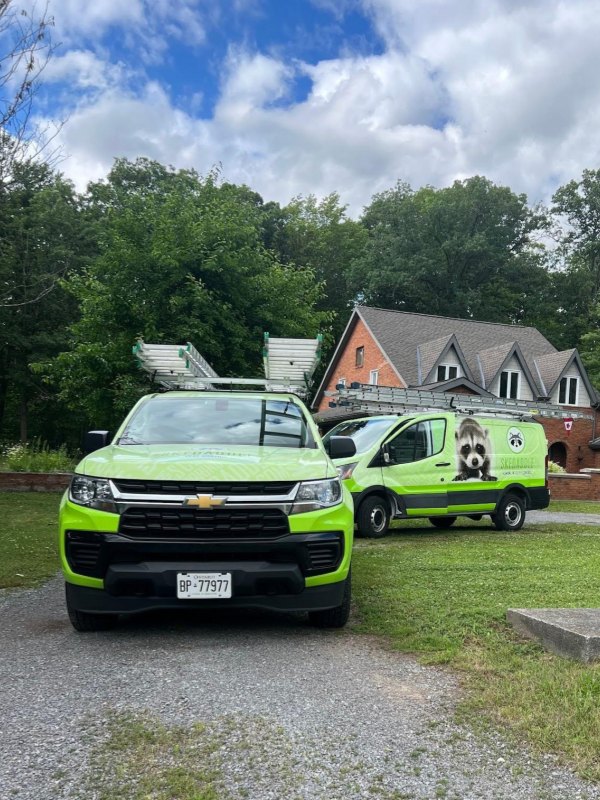
In a city this dense, wildlife problems rarely stay small. A mouse in one semi can mean mice in the shared wall, and a raccoon on one roof can reach the next. Toronto homeowners tell us they want the animal gone humanely, the house properly closed up and the cost spelled out first. Here's how we handle each of those.
Few cities have as much ravine land as Toronto. According to the City's Ravine Strategy, the network runs for more than 300 kilometres and covers 17 per cent of the city, and roughly 30,000 private addresses sit on ravine land. Between the Don and Humber valleys, the 160-hectare High Park and the waterfront, raccoons, skunks and squirrels have green pathways straight into city backyards. Our GTA crews handled more than 3,000 wildlife and pest jobs in Toronto over the last 12 months.
Skedaddle technicians work to written protocols for roof safety, getting into attics and species-by-species exclusion, and our humane methods carry the approval of SPCAs and Humane Societies. Provincial rules on wild animals damaging property guide the work, including the requirement to release live-captured animals within one kilometre. In Toronto, Toronto Animal Services only attends to sick, injured or distressed wildlife, so getting a healthy animal out of a house is a job for a qualified private company.
Getting an animal out of the house is only half the job; the other half is making sure it can't get back in. We stand behind every entry point we seal with a lifetime guarantee on all workmanship and materials, and we'll return and repair any sealed spot that fails at no cost. To make that possible, the inspection records every opening, chimney flashing and foundation sill included, before we quote. It applies equally to a century semi in the Annex or Riverdale and a postwar bungalow in Etobicoke.

General Manager
Tisha has managed Skedaddle's Toronto and Durham Region locations as General Manager since September 2017. Her earlier career was in lawn care, managing locations in Ontario and British Columbia, and she switched industries because of how Skedaddle approaches safety, humane wildlife treatment and customer service. Giving homeowners a lasting solution is what she's proudest of, and she likes that no two wildlife calls are the same.

Field Supervisor
Colin trained in Fleming College's Fish & Wildlife program and now coaches and mentors Skedaddle's newer technicians. He enjoys being outside and working directly with animals, and he's always glad to share what he knows about city wildlife with the public. He also volunteers as a Scout Leader with the 1st Newcastle troop.

Skedaddle Manager
Andrew owns and runs Skedaddle's Toronto and Durham locations. He grew up in Ontario's Niagara region and spent years managing and expanding lawn care businesses in Ontario and British Columbia before settling in Whitby; today, he and his family live in Lindsay. He has loved animals all his life, which is what drew him to Skedaddle's humane approach, and he cares a great deal about building strong teams and giving customers a great experience.

Wildlife Specialist
Harley earned a Law and Public Safety diploma at Seneca College and picked Skedaddle because of its focus on customer service. Family and community come first for him, and he volunteers regularly with Fellowship Pickering Children's Ministries. Away from work, he spends his time with his wife and on his woodworking.

Wildlife Technician
Animals and fixing things are Chris's two big interests, so Skedaddle suited him from the start. He likes raccoon calls best, particularly when there are babies in the picture. When he isn't working, he's usually with his family and their five children.
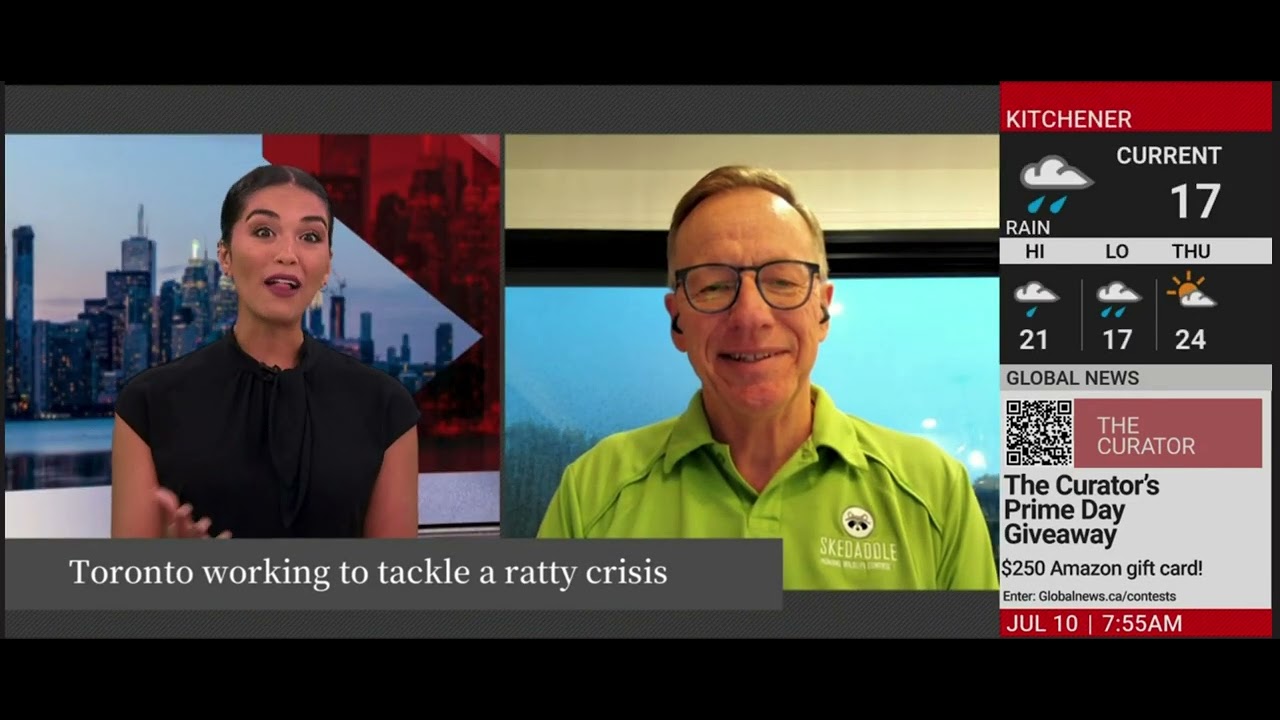
In this Global News Toronto segment, Skedaddle founder Bill Dowd explains what's behind the city's rat problem and what it means for homeowners.
Mice keep us busiest in Toronto, followed by raccoons, squirrels and rats. Brick homes with shared semi walls hide plenty of rodent routes, tall street trees lean over rooftops, and the ravines bring wildlife from the valleys right onto residential streets. Here's how each animal gets in and how we handle it humanely; the seasonal chart lower down covers timing through the year.
No animal brings us more Toronto work, or more calls, than mice, and indoors they can breed in every month. Under the City's Property Standards By-law, properties must be kept free of pests such as mice and rats and of the conditions that draw them in. Our technicians follow each gap at the sill plate, utility lines and garage, close it permanently and then remove droppings and nests.
Toronto raccoons treat attics, chimneys and roof voids as dens, and the one you're hearing could be a mother with kits, so we always look for young before closing anything up. Next, the chimney cap, roof vent or soffit corner it used is rebuilt with materials a raccoon can't pull apart. Feeding wildlife on public or private property is banned under Toronto's Animals By-law.
Toronto's grey squirrels don't hibernate, so you can hear one in your attic in any month, and it's often a female getting ready to raise her young. We track down the soffit, gable vent or roof-edge opening she's using, check for babies and seal it with heavy-gauge material she can't chew through.
Rats are an issue right across the city. In 2025, City Council adopted a Rat Response Plan stating that controlling rats takes action from residents and property owners, not just the City, and the City's rat control guidance makes rats on private property the owner's responsibility. Our crew locates burrows and runways, closes foundation cracks and gaps around the house, garage and shed, and recommends the tight-lidded bins the City asks residents to use.
We also handle birds, skunks and bats across Toronto. Bird removal is often pigeons on balconies and ledges, or starlings and sparrows nesting in dryer and bathroom vents; we clear them out and screen the opening. For skunk removal, we install a buried screen barrier under decks, porches and sheds, the same L-shaped "prevention skirt" the City recommends, once the den is confirmed empty. Bat removal is timed to the Ontario MNR guidance, starting with a check for bats roosting inside.
What you hear says a lot: early-morning scratching, thumping late at night and a quiet squeak behind the drywall usually come from different animals. Our inspection of your Toronto home confirms what's there and how it gets in, and you get a written plan before we begin.
Our Toronto page covers the former City of Toronto plus East York, York and Etobicoke, from the lakeshore to midtown, all within the City of Toronto; North York and Scarborough each have their own page. The neighbourhood names below follow the City of Toronto's neighbourhood map. We confirm coverage by address when you book, and if your area isn't on the list, give us a call and we'll check.
Every Toronto inspection covers your property from the roof peak to the basement, inside and out, and wraps up with a written plan and price. The technician pins down which animal you have, finds every entry point and explains what the work involves before starting. Here are the steps:
The exclusion and the restoration appear together on one written quote, so you can review the entire job before giving the go-ahead. To book, call (416) 417-2939 or book online.
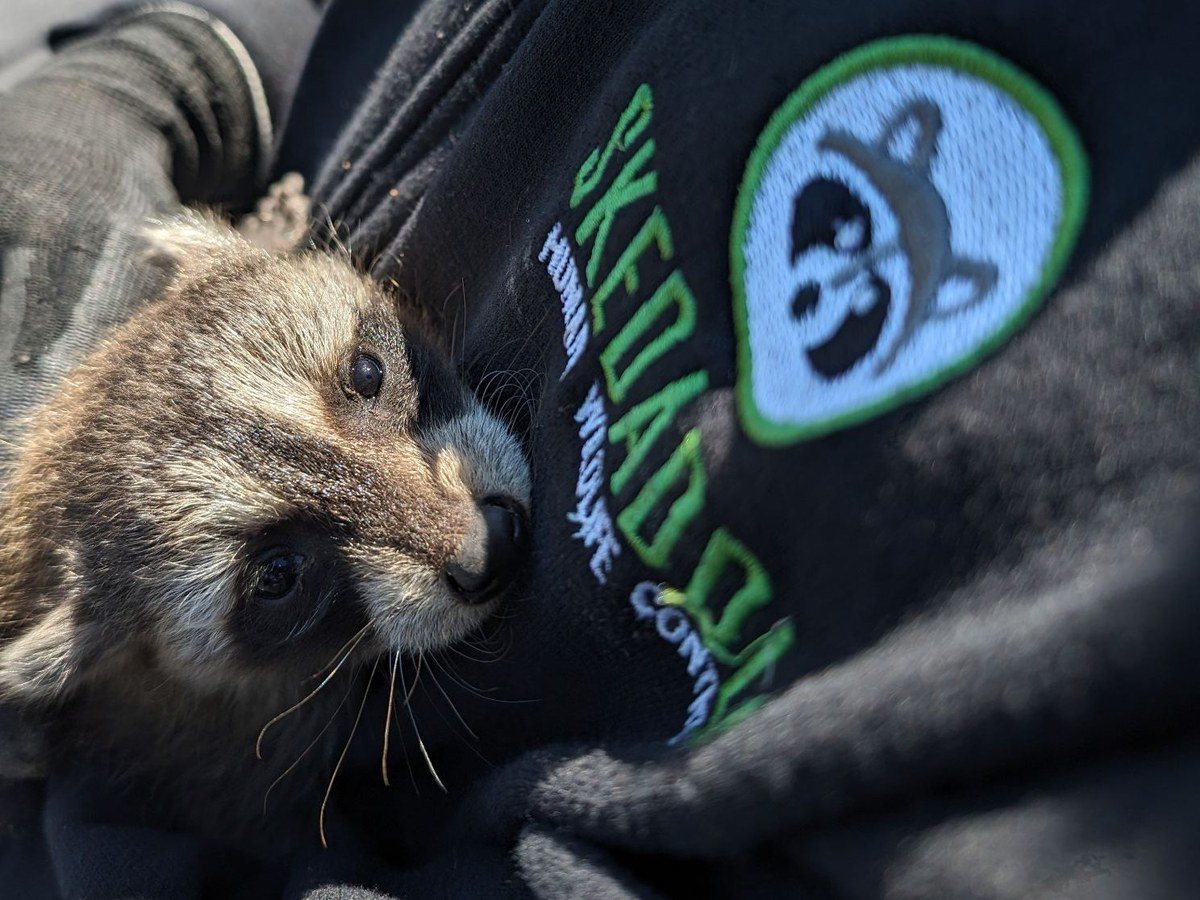

The technician goes through your Toronto home to confirm the animal, find out how it gets in and see which parts of the attic, walls or crawl spaces it's using. We then decide on a humane removal method that fits the species and the timing, and we look for dependent young before doing anything else. One-way devices are only installed when they suit the situation, never by default.
Learn more
After the animals have left, we check what contamination remains and agree with you on how much cleanup is needed. That can range from removing droppings, nesting and soiled insulation to decontaminating the space and restoring damaged attic insulation. Many homes only need some targeted cleanup, and you're only quoted for what your home needs.
Learn more
When we're certain the animals are out, we close every confirmed and potential entry point with durable materials suited to the species, whether that's a chimney cap, a roof-vent screen or a foundation barrier. This exclusion work comes with a lifetime guarantee on all workmanship and materials.
Learn moreToronto's lakeside location means cold, snowy winters and warm summers. The chart lays out what the city's wildlife tends to do in each season and how we plan our work to match. It reflects priorities, not how many calls we get.
| Season | Wildlife focus | Our service focus |
|---|---|---|
| Winter (December–February) |
Mice and rats living indoors; raccoons denned in attics and chimneys, with mating starting; grey squirrels mating and nesting in attics; skunks tucked away in dens; some big brown bats hibernating in buildings | Track down and seal rodent entry; fit chimney caps and close rooflines ahead of raccoon kits; make sure no bats are inside before a complete seal |
| Spring (March–May) |
Raccoon kits and squirrel litters in chimneys and attics; skunks raising young under decks and sheds; birds building nests in vents; bats coming back to roosts | Take young out by hand so mothers can move them; screen vents; bat exclusion between April and early May, with one-way doors where appropriate; seal dens once empty |
| Summer (June–August) |
Bat maternity period, mid-May to mid-August; squirrels' second litters; young raccoons and skunks roaming; rats busy in yards and laneways | No bat exclusion until pups can fly; barriers under decks and sheds; sealing foundations against rats |
Quarterly focus: Winter (December 2026–February 2027)
Through this winter in Toronto, we're concentrating on keeping mice and rats out of basements, walls and garages, and on getting rooflines and chimneys closed before raccoons mate and squirrels have their first litters in February. On most jobs, that means tracking rodent entry around foundations and utility lines, fitting chimney caps and sealing soffits and gable vents. We also check each roof void for bats before sealing, since the Ontario MNR bat exclusion guide says entrances shouldn't be fully sealed while bats are still inside.
Mice in a Leslieville semi and a raccoon in a Roncesvalles chimney need very different fixes, but the same four commitments apply to both and to every other Toronto job. We adapt the method to the animal; we don't adapt these standards.
The method is chosen only after we've inspected. Depending on what we find, that may be one-way exclusion doors where appropriate, taking young out by hand, exclusion hardware made for the species on vents and chimneys, or scheduling the job around a maternity window. Bats need this most, because provincial timing guidance controls when they can be excluded.
In Toronto, squirrels, raccoons and skunks often have their young in the very attic, chimney or deck we've been asked to close. If we find babies, we carry them out and settle them in a heated reunion box beside the entry, so their mother can move them to a new den herself. We only seal the opening once the whole family is gone. That way nothing is trapped inside, and the mother isn't left trying to tear her way back in.
What mice, raccoons and squirrels leave behind is droppings, urine and ripped-up insulation, and after a few months insulation can be flattened across much of the attic. We take out the contaminated material, decontaminate the area and replace insulation where it's damaged, so the attic does its job of keeping heat in. Your quote spells out the scope before we start.
Because Ontario requires us to release wildlife within a kilometre of where it was caught, the seal is the thing that really keeps it away from your home. Every entry point is closed with durable materials picked for the animal, like heavy-gauge vent screening or barriers buried below decks. That work is backed by a lifetime guarantee on all workmanship and materials, and we'll return to fix any sealed opening that fails.
TORONTO · PEST CONTROL
Toronto's pest problems come to the same GTA team that handles wildlife, and we treat them with eco-friendly products and by sealing the cracks and gaps insects slip through. Restaurants, condo buildings, offices and storefronts across Toronto can get a commercial pest control plan tailored to their busiest areas. Homeowners who want ongoing protection can choose our Four Seasons Pest Control program, with four planned visits a year, each one targeting that season's pests. In heated apartments and shared walls, cockroaches and bed bugs never really go quiet, so it's always worth dealing with them right away. Here's what we treat:
Roaches in kitchens and bathrooms, or travelling through the shared walls of condos, apartments and rentals.
Cockroach control in the GTA →
Bites in the morning, small stains on sheets, or activity that starts after a trip or a second-hand furniture purchase.
Bed bug control in the GTA →
Carpenter ants tunnelling into damp wood and window frames, and pavement ants trailing in from outside.
Ant control in the GTA →
Wasp and hornet nests under soffits, inside sheds and wall voids, or in the ground beside walkways.
Wasp and hornet control in the GTA →
Spiders and their webs in basements, garages and window wells, close to the insects they feed on.
Spider control in the GTA →
Yard treatments for standing water and the shady spots near decks and gardens where mosquitoes breed.
Mosquito control in the GTA →

Toronto wildlife removal is priced job by job, because the animal, the number of entry points, the sealing materials and any cleanup or insulation work all change the cost. We inspect first and give you an itemized written quote on site, so you know exactly what's included and what it costs before you decide.
Same-day visits are possible on some days, but we can't promise one. True emergencies come first, such as a raccoon that has broken through a ceiling into the living space or a bat flying around the house. Other calls are booked into the earliest open inspection, still the quickest route to a sealed home. Call (416) 417-2939 to check what's available today.
Bat inspections can be booked whenever you like, but the exclusion date depends on whether bats are roosting inside at the time. Our timing follows the Ontario MNR bat exclusion guide, which sets out when a building may be sealed completely and rules out exclusion while flightless pups are present. After we've confirmed whether you have a roost, we book the exclusion into the next window the guide allows; the seasonal wildlife chart on this page shows when those windows usually come up.
Our Toronto coverage stretches from The Beaches, Riverdale and the Danforth in the east, through the Annex, Forest Hill and Yonge-Eglinton in midtown, and west past High Park, the Junction and Weston to Mimico and Long Branch in Etobicoke. This page covers the former City of Toronto with East York, York and Etobicoke, all part of the City of Toronto, and the same GTA team also looks after North York and Scarborough. Give us your address and we'll confirm coverage.
All of our Toronto work follows Ontario's wildlife rules. The Fish and Wildlife Conservation Act sets the rules for handling wildlife, and provincial rules require live-captured animals to be released within one kilometre of the capture site. Bat exclusions are timed to the MNR guide, and SPCAs and Humane Societies approve our humane methods. Toronto Animal Services attends only to sick, injured or distressed wildlife, which leaves removal from a home to a qualified private service.
Mice are the biggest share of our wildlife work in Toronto homes, with raccoons, squirrels and rats after them. Mice get in through gaps around foundations and utility lines, raccoons den in attics and chimneys, squirrels nest in soffits and roof voids, and rats burrow along foundations and get in at ground level. We also remove birds, skunks and bats across Toronto.
A lifetime guarantee on all workmanship and materials covers every Toronto job. If a sealed entry point ever fails, we'll come back and repair it free of charge. The guarantee depends on the seal, so before we quote, the inspection records every opening on your home from the roof peak to the foundation.
When the animals have left, we inspect the attic and clean up what they've left behind. That might involve removing droppings, urine and nesting, decontaminating the space and replacing insulation that's been soiled or flattened. Not every attic needs a full restoration, so the cleanup is listed on the same written quote as the exclusion before any work begins.
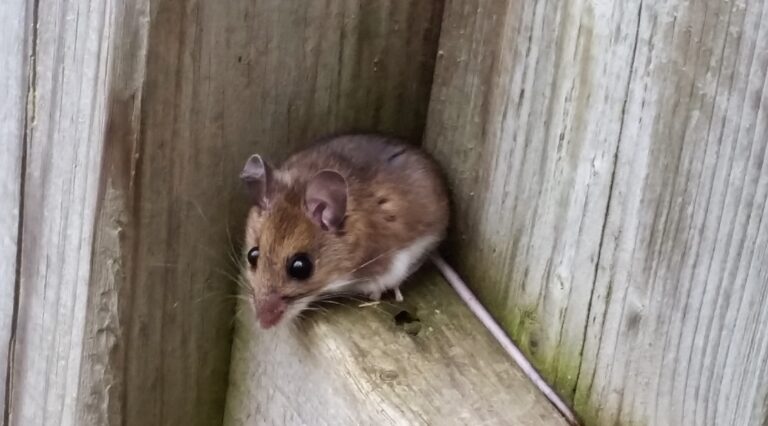
You feel the cold the moment winter hits the city. Sidewalks freeze, snow piles up, and staying warm becomes a daily focus. But while…
Read article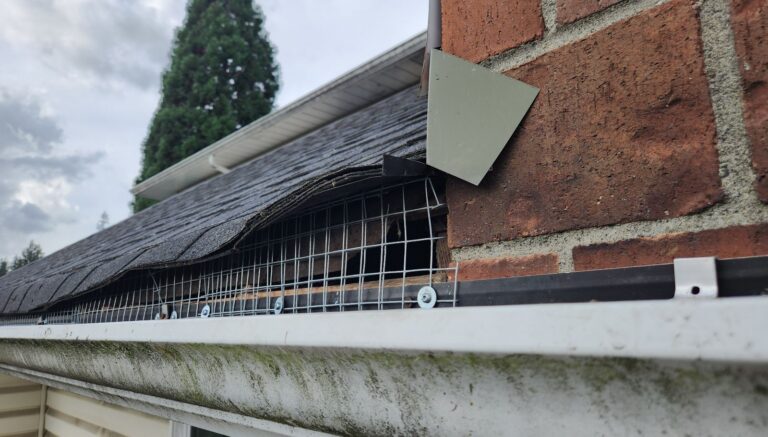
Living beside a Toronto ravine means your home needs a full wildlife-proofing checklist. You need more than a quick look at the yard. A…
Read article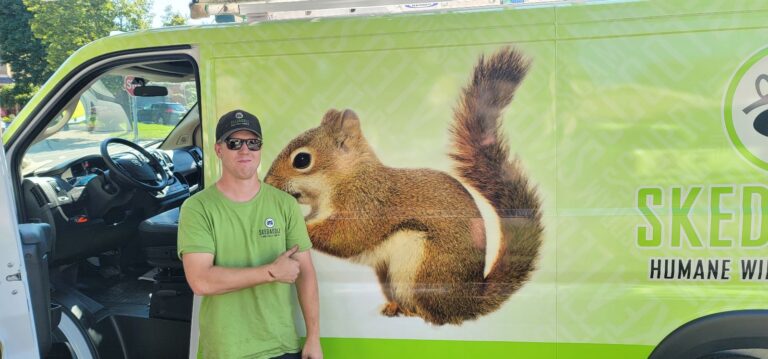
You may notice scratching sounds above your ceiling and wonder what is going on. Yes, attics in Toronto often attract squirrels because they offer…
Read article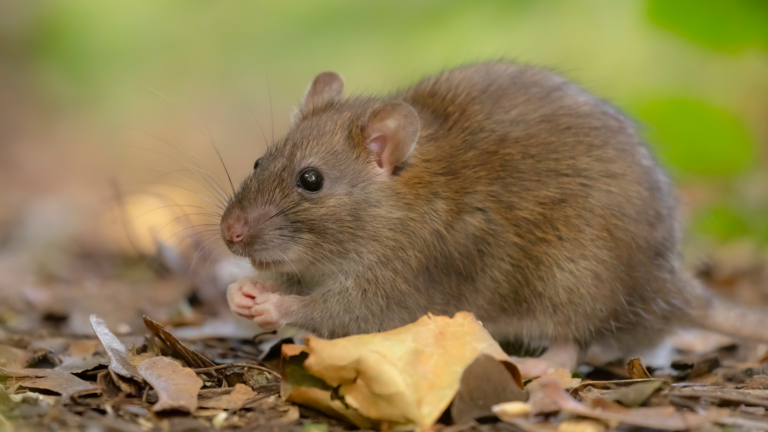
You don't have to spot one to have a problem. Rats are showing up more and more in Toronto and other busy Ontario neighbourhoods,…
Read article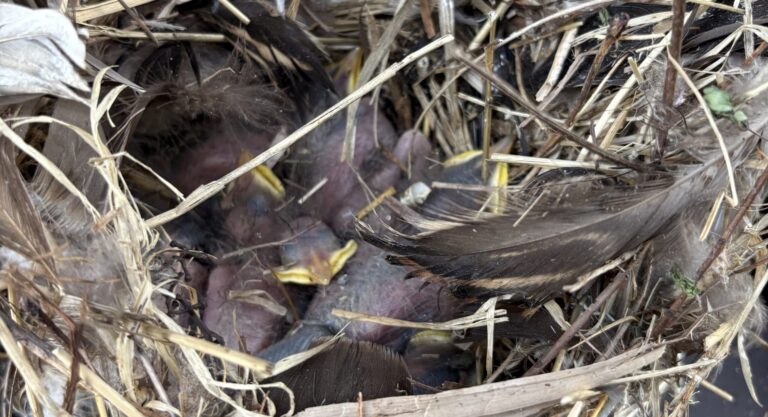
The short answer? It depends on the species. Some birds, like eagles and storks, are loyal to their nests, returning to the same one…
Read article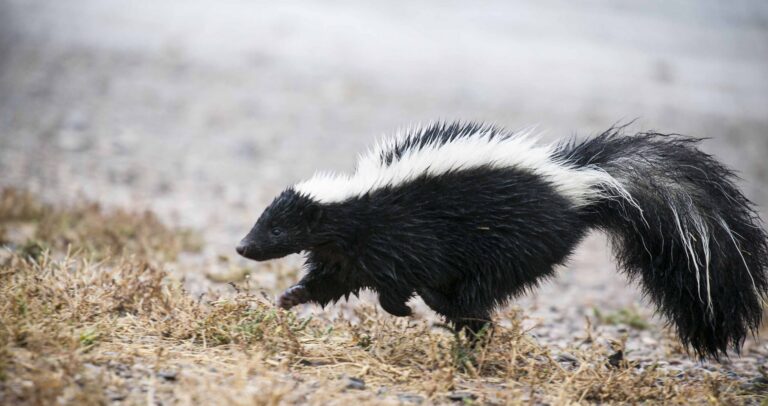
Skunks are attracted to properties that offer two things: food and shelter. If your yard has either of these, there's a good chance you'll…
Read article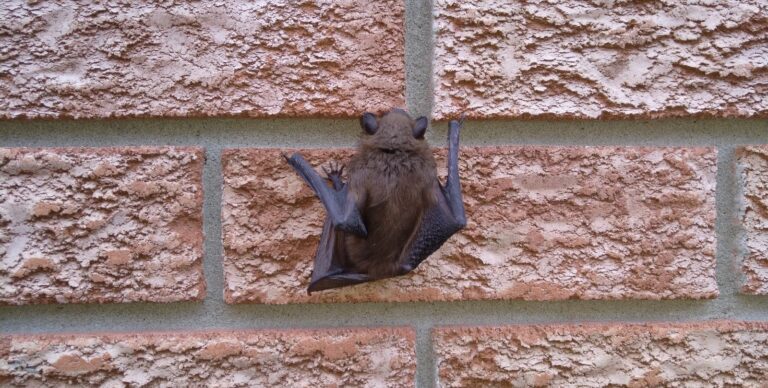
You may hear light scratching above your ceiling late at night or notice a strange smell that doesn’t seem to have a clear source.…
Read articleMice in a Riverdale basement, a raccoon in an Annex chimney or rats along a garage foundation near High Park all start with the same first steps. We identify the animal, use a method that suits it, take out any young by hand and seal every way in, then decontaminate and restore the attic if it needs it. SPCAs and Humane Societies approve our humane methods, and a lifetime guarantee on all workmanship and materials stands behind the work.
 menu