




Wasp and hornet control
Paper nests tucked into soffits, sheds and wall voids, plus ground nests beside paths.
Wasp and hornet control in the GTA →Skedaddle GTA — serving Burlington, from Aldershot to Alton, in Halton Region.
No traps. No poison. Permanent exclusion.
Burlington homeowners in Halton Region call Skedaddle Humane Wildlife Control when mice, squirrels, raccoons or bats find a way inside, whether the house sits near the Burlington Bay shoreline, in Aldershot or close to the Niagara Escarpment. We inspect first, choose a removal method that suits the animal, lift any dependent young out by hand and close each opening with durable materials. Our winter work centres on mice getting into basements and garages, squirrels looking for attic nest sites before their first litters, and bats that may be hibernating in roof voids.
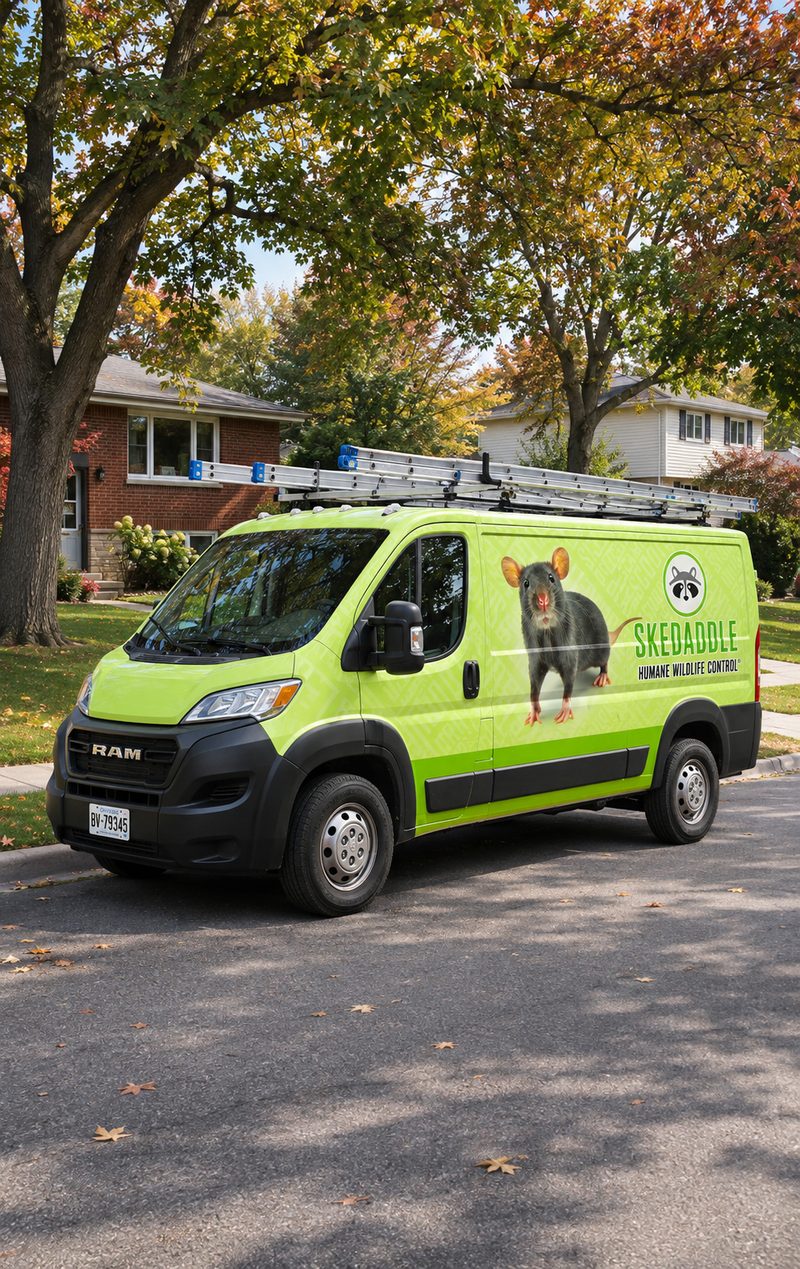
Most Burlington calls start with a noise in the ceiling or droppings in the basement. What homeowners want from us is a humane fix, a seal that lasts and a price in writing up front. The three cards below explain how we deliver on that.
The City's Official Plan describes a Burlington shaped by the Niagara Escarpment, the shorelines of Lake Ontario and Burlington Bay, and the creeks and woodlands running between them. Down at the lake, Paletta Lakefront Park protects the Shoreacres Creek flood plain, among the last natural areas of its kind on the Halton shoreline. Corridors like these let raccoons, skunks and squirrels travel from green space to backyard with little effort. Over the past 12 months, our GTA crews finished more than 510 wildlife and pest jobs across Burlington.
Every Skedaddle technician works from written protocols covering roof safety, attic entry and exclusion for each species, and SPCAs and Humane Societies approve our humane methods. Provincial rules on wild animals damaging property shape how we work, including the requirement to release any live-captured animal within one kilometre. For a sick, injured or orphaned animal, Burlington's Animal Services is the place to call, but for bats inside the house, Halton Region Public Health points residents to a wildlife or pest control company such as Skedaddle.
Getting the animal out only fixes today's problem; whether it returns depends on the seal. Each entry point we close comes with a lifetime guarantee on all workmanship and materials, and if a sealed spot fails, we come back and repair it at no charge. That is why the inspection records every gap on the house, from the chimney flashing down to the sill plate, before a quote is written. The guarantee works the same on the long-established lakeside streets of Roseland and Shoreacres as it does in Orchard and Alton, which were developed early this century.

Business Development Manager
Brandon joined Skedaddle in 2002 and has been part of its growth across Canada and into the United States. Originally from St. George, Ontario, he earned his diploma from Sir Sandford Fleming College in 1999. On larger residential and commercial jobs, he draws on a working knowledge of construction, plumbing and heating, along with training in attic restoration, insulation and Ontario energy audits. When he is not working, he is usually outside with his two young sons.

Supervisor
Keith trained at Northern College, qualifying as a Veterinary Technician in 2002 and as a Veterinary Wildlife Technologist in 2006. Before Skedaddle hired him in 2011, he worked with animals at the Temiskaming Wildlife Centre, the Shepreth Wildlife Sanctuary and the Muskoka Wildlife Centre. He believes people and wildlife can live side by side, and that teaching homeowners how to do it is a big part of getting there.

Wildlife Specialist
Dillon studied at Sir Sandford Fleming College, where he completed diplomas in both Forestry and Fish and Wildlife Technology. Working outdoors with animals is what drew him to wildlife control. On his days off, you will often find him fishing or spending time with family and friends.

Wildlife Technician
A Newfoundlander by birth, Ben was raised in Ontario and completed Fleming College's Fish and Wildlife program before coming to Skedaddle Humane Wildlife Control. Canoe trips and camping keep him outdoors whenever he has free time.

Assistant Manager
After finishing the Fish and Wildlife Technician program at Fleming College in 2014, Joseph spent time on roofing, framing and decorative concrete jobs. He pairs that construction experience with his wildlife training to keep clients' homes sealed. He has pulled coyote pups out from under a client's shed by hand and freed an adult skunk from a window well without getting sprayed. Outside work, he fishes, keeps reptiles and plays paintball.

Wildlife Specialist
Before moving into humane wildlife control, James worked in education and IT, having spent most of his life in the United Kingdom. What he enjoys most is giving homeowners peace of mind when wildlife becomes a problem. Away from the job, he plays soccer with his son and daughter and cheers on London's Arsenal F.C.

Wildlife Technician
Brad spent more than eight years in restaurants, building the teamwork, communication and customer-service skills he brought to Skedaddle in 2018. He also has hands-on experience in carpentry, welding and automotive work. Reuniting mother raccoons with their kits is his favourite part of the job, and a mother fox with six pups under a shed stands out as one of his most memorable calls.
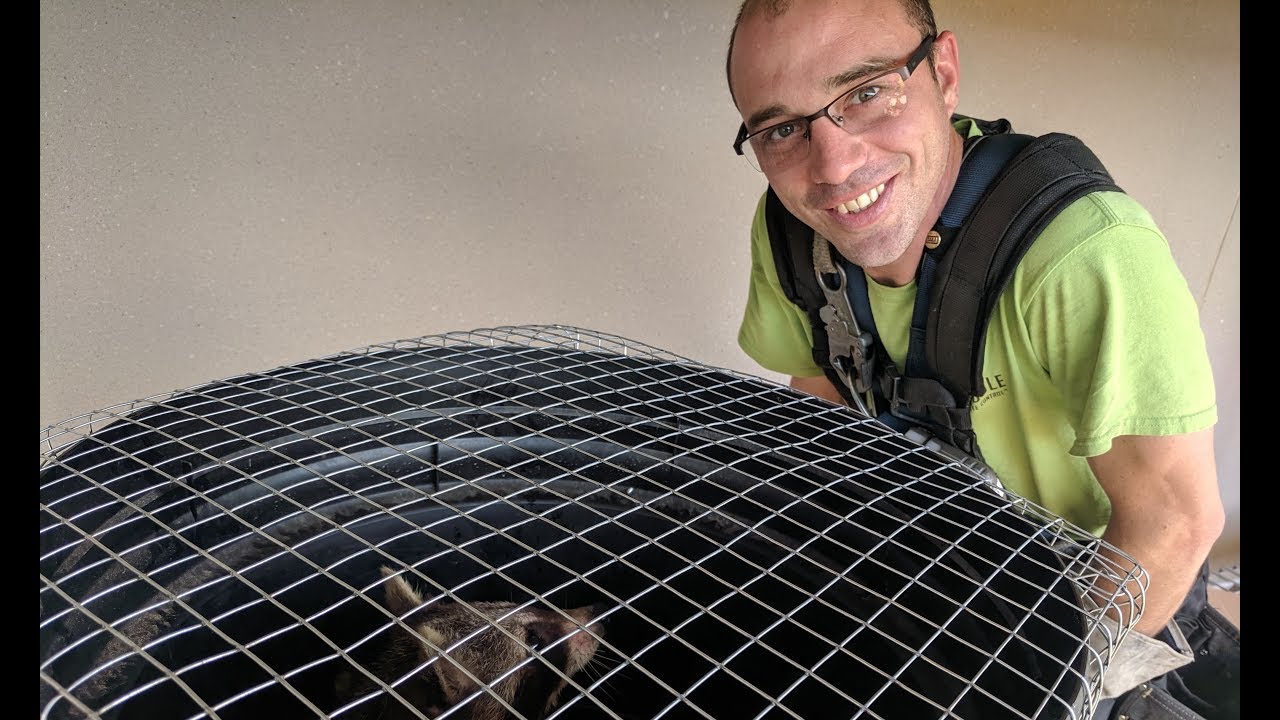
Staff at the Lowe's garden centre in Burlington called Skedaddle when a mother raccoon and her babies moved into a flower pot. This video follows how our technician moved the family out safely, so the mother could settle her young in another den nearby.
In Burlington, mice bring us the most wildlife work, followed by squirrels, raccoons and bats. Gaps in older foundations near the lake let rodents in, big trees hang over many roofs, and the escarpment and creek valleys bring animals right into neighbourhoods. Here is how each one tends to get in and how we deal with it. The seasonal picture is in the wildlife-by-season chart further down the page.
No animal keeps us busier in Burlington than the house mouse, and once mice are inside, they can breed all year. Under the City's Property Standards By-law, compost, pet food and animal feed have to be stored in a way that won't draw rodents or wildlife. Our technicians follow mouse activity back to the sill plate, utility penetrations and garage, seal every gap they find and clear away the droppings and nesting.
Because grey squirrels never hibernate, a Burlington attic can host one in any month, and the scurrying overhead may be a female building a nest for her young. We track down where she is getting in, whether at a soffit, gable vent or roof edge, check carefully for young and close the opening with heavy-gauge material she can't chew through.
Raccoons treat chimneys, roof vents and soffit corners as ready-made dens, and a mother may have her kits with her, so we always check for young before closing anything. Once the den is empty, we repair the opening with materials a raccoon can't pull apart. Feeding wildlife can also bring a fine under the City's Lot Maintenance By-law.
Halton Region identifies big brown and little brown bats as the two species that usually roost in homes. Because the Ontario MNR bat exclusion guide sets out when it is humane to seal a building, our first step is to confirm whether any bats are inside. If they are, the exclusion is timed to that guidance, with one-way doors used where appropriate.
We also handle skunks, birds and rats in Burlington. For skunk removal, we bury a screen barrier around decks, porches and sheds, much like the trench and heavy-wire screening the City recommends to keep foxes from denning under structures, once we've confirmed no skunks are denned underneath. Bird removal usually involves pigeons on ledges and balconies, or starlings and sparrows nesting in vents, which we clear out and screen. With rat removal, we start at the foundation, because Halton Region points out that a rat can squeeze through a hole the size of a quarter.
Each animal has its own sound. Squirrels tend to scurry around early in the morning, raccoons make heavier thuds at night, and mice give themselves away with soft scratching inside the walls. When we inspect your Burlington home, we pin down which animal it is and how it's getting in, and you get a written plan before anything is done.
Our crews cover all of Burlington in Halton Region, from the waterfront and Burlington Bay up to the escarpment, and from Aldershot in the west to Burloak Drive in the east. The communities listed here come from the City of Burlington's Official Plan, and when you book, we'll confirm coverage for your street. Don't see yours? Give us a call and we'll check.
In Burlington, a Skedaddle inspection covers the whole property, inside and outside, and finishes with a written plan and price in your hands. The technician works out which animal is involved, finds every way in from the peak of the roof to the foundation and walks you through the work before it begins. The visit follows five stages:
Because restoration is priced on the same written quote as the exclusion, you can review the full job at once before you approve anything. To book your inspection, call (905) 858-3379 or book online.

Your Burlington home gets a complete inspection so we can identify the animal, trace how it is getting in and see which parts of the attic, walls or crawl spaces it is using. From there, we pick a humane removal method that fits the species and the time of year, always checking for dependent young first. We use one-way devices only where they suit the situation, never as a default.
Learn more
After the animals have left, we look at any contamination and agree with you on how much cleanup is needed. That may mean removing droppings, nesting and soiled insulation, decontaminating the space and replacing attic insulation where it was damaged. Plenty of homes only need targeted cleanup, and your quote covers only what your home needs.
Learn more
When we are sure the animals are out, we seal every confirmed and potential entry point with durable materials chosen for the species, including chimney caps, roof-vent screens and foundation barriers. All of this exclusion work is backed by a lifetime guarantee on all workmanship and materials.
Learn moreWinters in Burlington, between Lake Ontario and the Niagara Escarpment in Halton Region, are cold and snowy, and summers are warm. The chart sets out what wildlife is doing in each season and how that shapes our schedule. It shows planning priorities rather than numbers of calls.
| Season | Wildlife focus | Our service focus |
|---|---|---|
| Winter (December–February) |
Mice moving into homes; grey squirrels mating and nesting in attics; raccoons denning in attics and chimneys, with mating beginning; some big brown bats hibernating indoors; skunks holed up under decks and sheds | Find and seal mouse entry points; close rooflines and cap chimneys ahead of squirrel litters and raccoon kits; make sure no bats remain before a complete seal |
| Spring (March–May) |
Raccoon kits and squirrel litters in chimneys and attics; bats coming back to their roosts; skunks raising young under decks and sheds; birds building nests in vents | Retrieve young by hand and reunite them with their mothers; bat exclusion from April to early May, with one-way doors where appropriate; screen vents; seal dens once empty |
| Summer (June–August) |
Bat maternity season, mid-May to mid-August; second squirrel litters; young raccoons and skunks moving around | No bat exclusion while pups can't fly; barriers under decks and sheds; roofline repairs |
Quarterly focus: Winter (December 2026–February 2027)
This winter in Burlington, we're concentrating on two things: stopping mice from getting into basements, walls and garages, and sealing rooflines and chimneys before raccoons mate and the first squirrel litters arrive in February. In practice, that means following mouse activity to gaps at foundations and utility lines, closing soffits and gable vents and putting caps on chimneys. Bats need extra care, so every roof void is checked before it is sealed; the Ontario MNR bat exclusion guide says sealing entrances completely while bats are still inside is not humane.
Whether we're sealing a Headon basement against mice or moving squirrels out of a Roseland soffit, four commitments guide every Burlington job. Our methods shift with the species and the time of year, but these standards stay fixed.
We don't decide on a method until we've inspected. Depending on the animal and the opening, the answer might be one-way exclusion doors where appropriate, hand retrieval of young, exclusion hardware made for that species on vents and chimneys, or scheduling the job around a maternity period. With bats it counts most of all, since their exclusion has to fit the provincial timing guidance rather than our schedule.
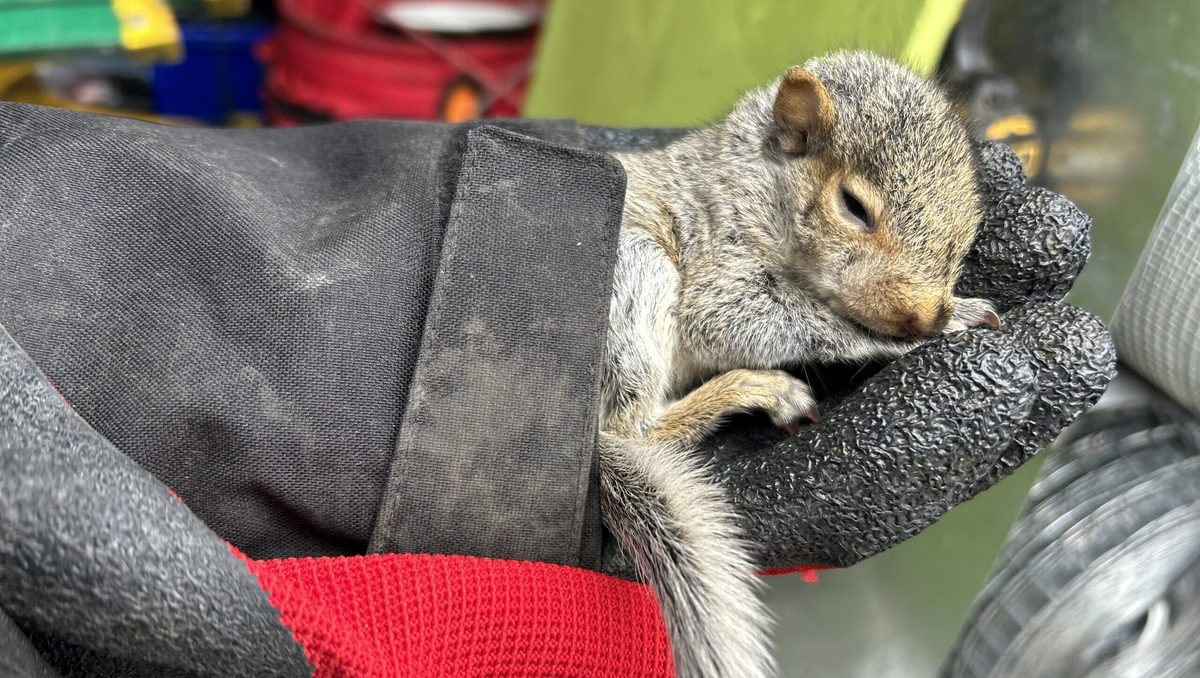
Mother squirrels and raccoons often have their young with them in an attic or chimney. If we find young, we take them out by hand and set them in a heated reunion box beside the original entry, which lets the mother carry them to a new den on her own. The opening is sealed only after the whole family has left, so no young are shut inside and a desperate mother doesn't chew a fresh hole to reach them.
Droppings, urine and torn-up insulation are what mice, squirrels and raccoons leave behind, and a few months of activity can flatten insulation over much of an attic. We clear the contaminated material, decontaminate the area and replace insulation where the damage calls for it, so the attic insulates your home properly again. Your quote spells out the scope before we start.
Ontario rules require us to release wildlife within a kilometre of where it was caught, so it's the seal that stops it from coming back. We close each entry point with durable materials chosen for the species, such as heavy-gauge screening over roof vents and buried barriers beneath decks. A lifetime guarantee on all workmanship and materials covers that work, and if a sealed opening ever fails, we return and repair it.
BURLINGTON · PEST CONTROL
Burlington's pest calls go to the same GTA crew that handles its wildlife work. We use eco-friendly products and close the cracks and gaps insects rely on to get indoors. For restaurants, offices, industrial units and property managers in Burlington, we build custom commercial pest control plans focused on high-traffic areas. Homeowners who want protection all year can join our Four Seasons Pest Control program, with four visits a year, each one targeting the pests of that season. Here's what we treat:
Paper nests tucked into soffits, sheds and wall voids, plus ground nests beside paths.
Wasp and hornet control in the GTA →
Carpenter ants working through wet wood and window frames, and pavement ants moving indoors from the yard.
Ant control in the GTA →
Yard treatments aimed at standing water and the shaded spots around gardens and decks where mosquitoes breed.
Mosquito control in the GTA →
Spiders settling into window wells, garages and basements, wherever the insects they eat collect.
Spider control in the GTA →
Roaches in kitchens and bathrooms, and in the shared walls of condos, townhomes and rental units.
Cockroach control in the GTA →
Bed bugs that show up as bites or spotting on a mattress, often after a trip or a second-hand furniture purchase.
Bed bug control in the GTA →

Our team frequently collaborates with both the Hamilton/Burlington SPCA as well as the Burlington Humane Society, engaging with community members at events and fundraisers. Through these engagements, we share our knowledge with residents and help them proactively protect their property from wildlife. Through these efforts, we aim to empower residents of Burlington with the tools and understanding needed to coexist responsibly with wildlife. We even help to spread the joy of the holiday season to these invaluable community organizations by decorating their shelters with lights.

The cost of wildlife removal in Burlington varies from job to job, so there is no single flat price. It depends on the animal, how many entry points need sealing, which materials the seal calls for, and whether the attic needs cleanup or new insulation. After inspecting the property, we give you an itemized written quote on site, so you see the full scope and price before deciding.
Same-day service can't be guaranteed, though it is sometimes possible. Real emergencies come first, like a raccoon that has broken through a ceiling into a living area or a bat loose inside the house. Other calls are booked into the next open inspection, which is still the quickest way to get your home sealed. To see what's available today, call (905) 858-3379.
A bat inspection can be booked whenever you notice bats, but when the exclusion happens depends on whether any are still in the building. Our timing follows the Ontario MNR bat exclusion guide, which says when a building can be sealed completely and rules out exclusion while flightless pups are in the roost. After the inspection, we book your exclusion into the next window the guide allows, and the seasonal chart on this page shows when those windows open.
Our team covers all of Burlington. That includes Downtown, Roseland and Shoreacres by the lake, Aldershot and Tyandaga on the west side, Brant Hills, Headon and Millcroft to the north, and Tansley, Orchard and Alton out toward Oakville. Burlington belongs to Halton Region, where the same GTA team also looks after Oakville. Give us your address when you call and we'll confirm you're covered.
All of our work follows Ontario's wildlife rules. The Fish and Wildlife Conservation Act sets limits on how wildlife can be handled, and the province requires any live-captured animal to be released within one kilometre of the capture site. For bat timing, we follow the MNR bat exclusion guide, and SPCAs and Humane Societies approve our humane methods. In Burlington, Animal Services looks after sick, injured or orphaned wildlife, and Halton Region Public Health recommends that residents call a wildlife or pest control company for bats inside the home.
Mice account for more of our Burlington wildlife work than any other animal, followed by squirrels, raccoons and bats. Mice get in through small gaps at the foundation and utility lines, squirrels and raccoons use soffits, vents and chimneys, and bats roost in attics and wall voids. Skunks, birds and rats make up the rest of the wildlife we handle in Burlington.
A lifetime guarantee on all workmanship and materials comes with every Burlington job. Should an entry point we sealed ever fail, we return and fix it free of charge. Since the guarantee depends on the seal, our inspection records every opening on your home, top to bottom, before we put the quote together.
After the animals are gone, we look over the attic and deal with the mess they left. Depending on the damage, that might include taking out droppings, urine and nesting material, decontaminating the area and replacing insulation that has been soiled or flattened. Many attics don't need a full restoration, so the cleanup is listed on the same written quote as the exclusion, before any work starts.
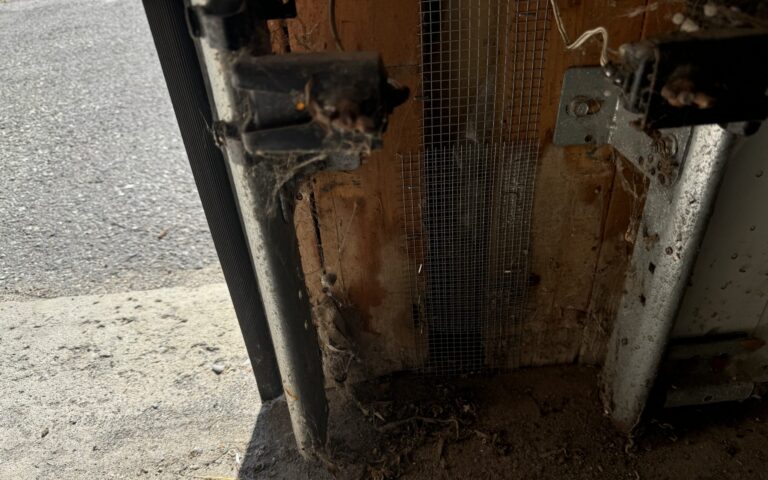
You may think of your attached garage as a separate space, but it can give mice a direct route into your Oakville home. Gaps…
Read article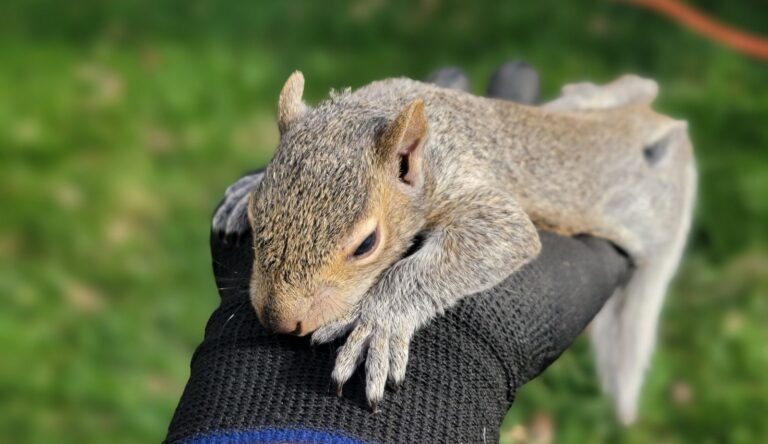
In February 2025, a squirrel caused a power failure at a downtown Toronto transmission station, knocking out electricity for thousands of people across the…
Read article
If you’ve noticed unusual noises in your ceiling during a cold Oakville winter, especially near areas like Lakeside Park or the shores of Lake…
Read article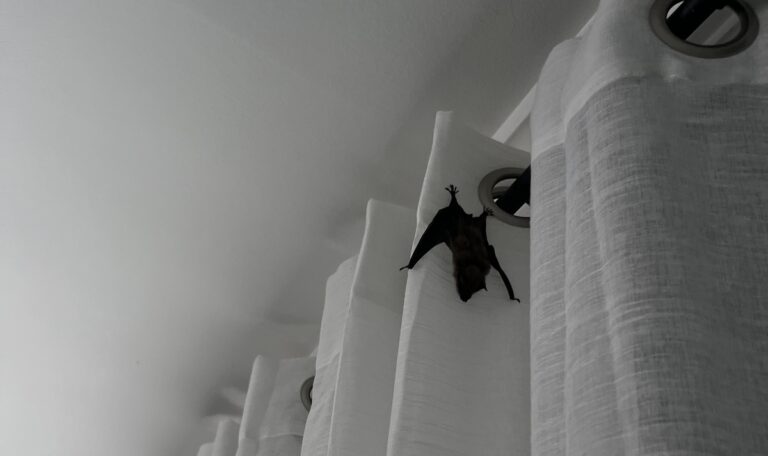
You should keep your distance, keep others away, and contact a professional wildlife removal team if a bat flies into your home. Do not…
Read article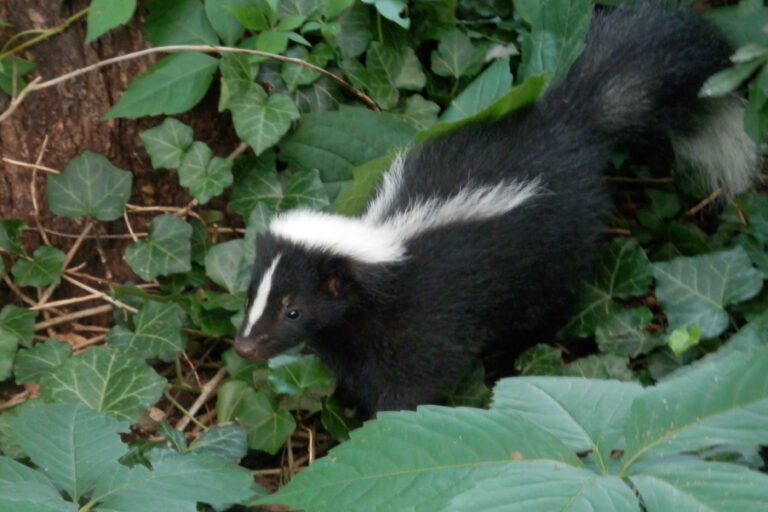
Skunks are one of nature's most recognizable and misunderstood creatures. Their distinctive black and white coloration serves as a warning to potential threats, but…
Read article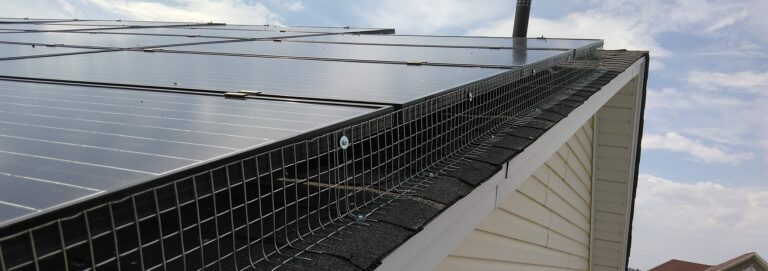
You may notice more activity around your home once winter sets in. As temperatures drop, animals begin searching for warmth, shelter, and quiet places…
Read article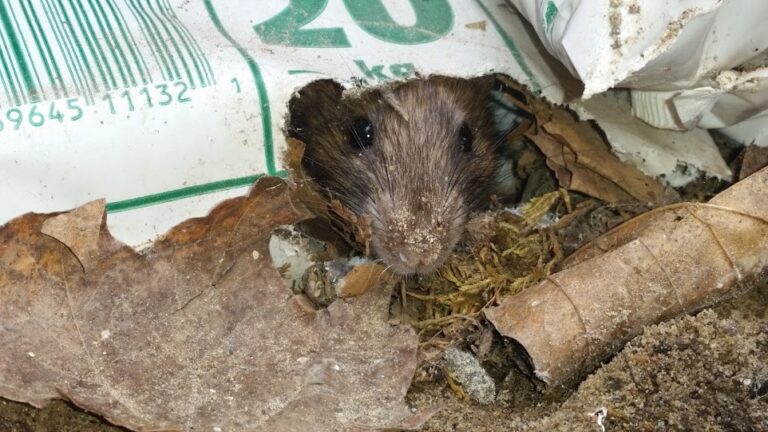
If you live near a local landmark like the Oakville Lighthouse, you know Oakville is a beautiful and inviting community. But unfortunately, our homes…
Read articleWhether it's a raccoon in a chimney near Spencer Smith Park, squirrels in a Roseland soffit or mice in a Headon basement, the solution starts in the same place: an inspection. From there we confirm the animal, choose a species-appropriate method, lift out any young by hand and seal each entry point, with attic decontamination and restoration where it's needed. SPCAs and Humane Societies approve our humane methods, and every job is backed by a lifetime guarantee on all workmanship and materials.
 menu