Humane Raccoon Removal in the Greater Toronto Area
Help with raccoons in your attic, chimney or under your deck, with a plan built around the den, any kits and every way back in.
Skedaddle removes raccoons from attics, chimneys, roofs and decks across Toronto and the Greater Toronto Area, from Oshawa and Newmarket to Mississauga and Burlington. Every job starts with an inspection to find the den, any kits and every way in. We use one-way doors where appropriate, lift kits out by hand for their mother, seal openings with steel and clean up where needed.
Lifetime guarantee on all workmanship and materials
Why homeowners choose Skedaddle
A raccoon in the attic is strong, determined and often a mother with young. Our GTA team plans each job around the animal, the den and the house in front of us.
An inspection that finds the den
We confirm it's a raccoon, find where it's denning and check for kits before we recommend anything. We walk the whole roof line, vents and chimney too, because a raccoon that loses one way in will test the next weak spot.
Humane removal, then prevention
We get raccoons out alive and plan every step to keep a mother and her kits together. Once the family has moved on, we close the way in with steel, so the fix holds after we leave.
A guarantee on the work we do
Every entry point we seal carries our lifetime guarantee on all workmanship and materials. If a sealed point fails, we come back and repair it. The guarantee covers the exclusion work set out in your quote.
Signs of raccoons and how they get in
Raccoons are hard to miss once they're inside, but their noise can be mistaken for other animals. Here's what usually points to a raccoon, and what we check when we arrive.
SIGNS
Signs worth checking
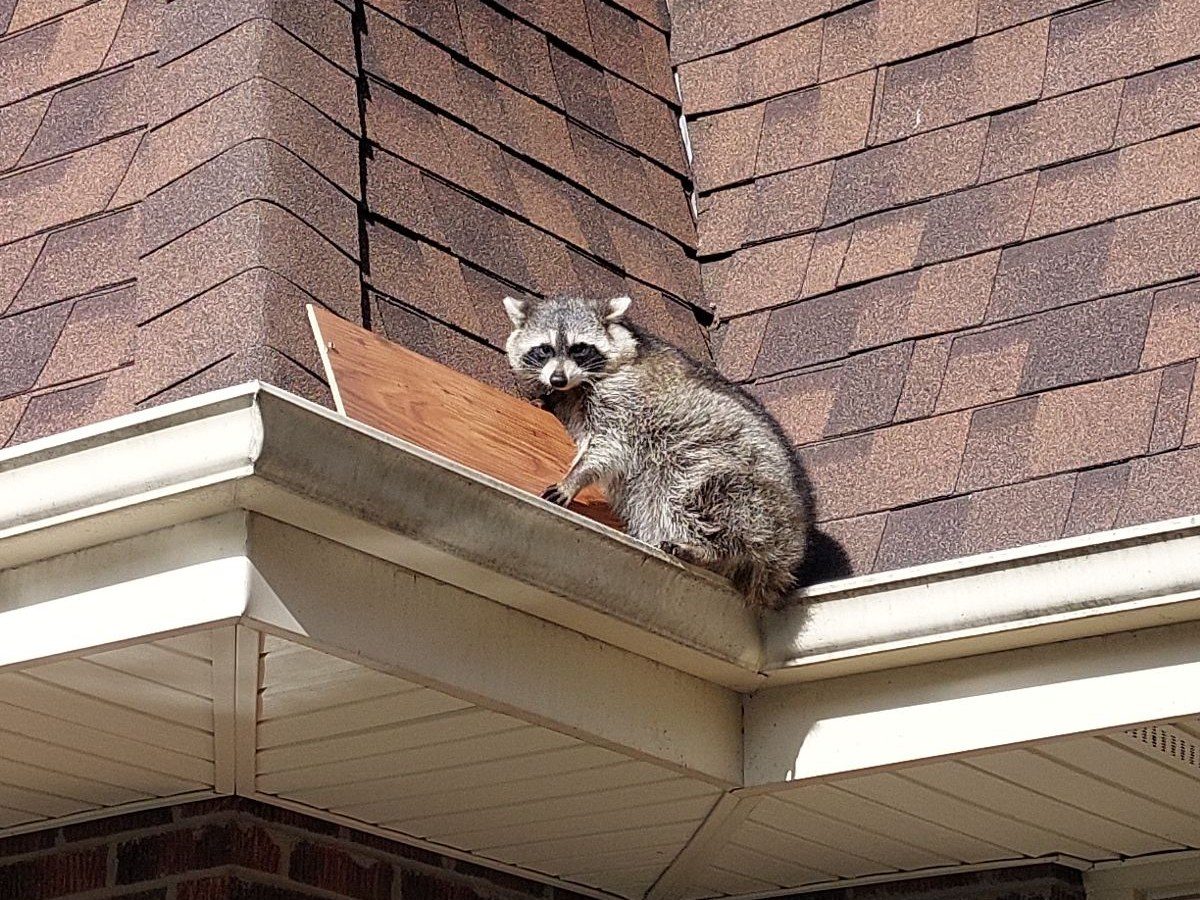
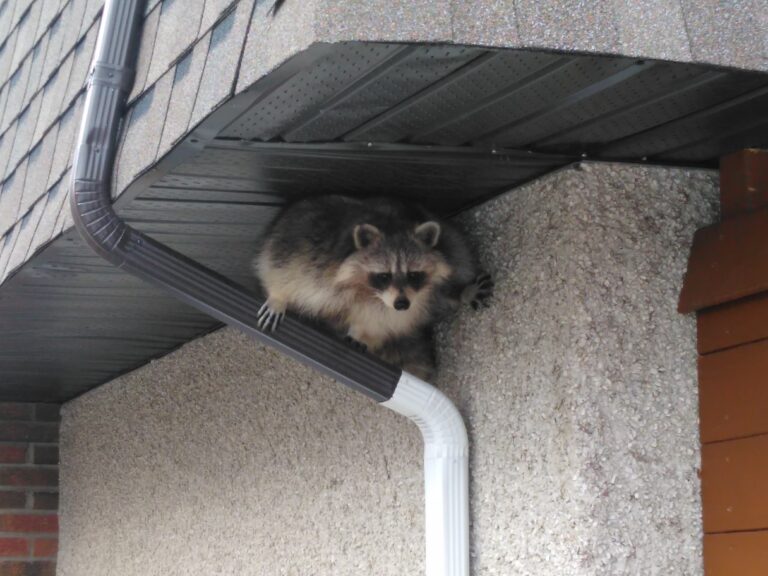
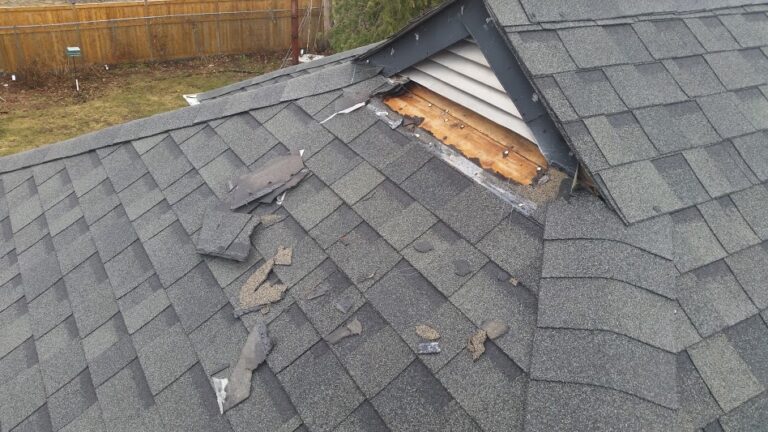
Heavy thumping or walking overhead at night, chattering or crying from kits, and a strong smell from the attic. Outside, look for bent vents, torn shingles or soffits and muddy prints on downspouts or siding, as our Toronto team describes in its post on what could be in your attic. The City of Toronto's raccoon guidance for residents notes raccoons also dig small round holes and roll back sod to find grubs in lawns.
ACCESS POINTS
How raccoons get in
The City of Toronto lists uncapped chimneys, loose shingles and openings in attics, roofs, eaves, garages and sheds, and raccoons also den under decks. A raccoon usually needs an opening of about four inches or more, but it's strong enough to tear open a soffit or shingles where there was no gap before.
DAMAGE AND CONTAMINATION
What our inspection checks for
Raccoons flatten and soil insulation, pull at vents and roofing, and use one spot as a latrine. We check how far the droppings and damage reach, whether kits are present and which vents, soffits or roof sections need repair before the opening can be sealed.
Not sure what is getting in?
Thumping at night could be a raccoon, a squirrel or something else. Our technician will confirm the animal, check for young and show you how it's getting in before anything is quoted.
The raccoon in GTA attics is the common raccoon, with its black mask, ringed tail and very dexterous front paws. The City of Toronto's Mammals of Toronto guide says raccoons are intelligent, mostly nocturnal and so adaptable that they thrive in the city, where they find much of their food in garbage. They use their front paws to pry things open, which is why a loose vent or soffit rarely stays closed.
Raccoons mate between January and April, and after about eight weeks a mother has three to five kits in spring. She raises them herself, and they stay with her for months. They aren't true hibernators: raccoons rest in a warm den through the coldest weeks and may come out on milder days, the City of Toronto explains. That's why a raccoon in your attic in late winter or spring is often a mother getting ready for her kits, or already raising them.
Two GTA details shape how we plan a raccoon job. First, neither the City of Toronto nor the province responds to routine wildlife conflicts on private property; prevention is the property owner's responsibility, according to a City of Toronto staff report. Second, raccoons are common here. The same report cites research estimating 7 to 12 raccoons per square kilometre across Toronto, and as many as 100 in some areas. So when one family leaves, others nearby will still be looking for a den, and sealing the way in matters as much as the removal.
What to expect from a Skedaddle inspection
Every raccoon job starts with an inspection of the attic, roof line, vents, chimney and outside of the house. We confirm where the raccoon is denning, whether kits are present and every opening it could use. Then we write up the removal, sealing and cleanup your home needs.
Species and activity: We confirm it's a raccoon, not a squirrel or another animal, and how recently the space has been used.
Entry and backup openings: The main opening, plus the roof vents, soffits, fascia, chimney and roof edges a raccoon could open next.
Den, kits and affected areas: Where the family is, whether young are present, and how far droppings, latrine material and damaged insulation reach.
Removal, sealing and cleanup scope: Whether a one-way door is needed and where it goes, how the kits will be removed, which openings need steel and which areas need cleaning or restoring.
Your technician walks you through what they found and leaves an itemized written quote on site, so you know the plan and the price before any work begins.
Skedaddle's Three-Step Wildlife Removal Process
Step 1
Assess and Remove
We find the den and every opening, then place a one-way door over the main entry where appropriate, so the raccoon can leave but can't get back in. Kits can't walk out on their own, so we lift them out by hand and set them in a heated reunion box outside, where their mother can collect them and carry them to another den.
Once the family has moved on, we remove droppings, latrine material and nesting debris from the areas they used. We decontaminate those spaces to cut the odour and the scent that draws raccoons back, and replace insulation where it was soiled or crushed, as set out in your quote.
If we used a one-way door, we remove it and seal the opening with steel. Roof vents get heavy-gauge steel screens bolted to the roof deck, so air still moves but a raccoon can't rip them off, and chimneys can get a screened steel cap. All of it carries our lifetime guarantee on all workmanship and materials.
Raccoon activity in the GTA follows the seasons, and so does the way we plan your removal.
Season
What may change
What it means for the homeowner
Winter(Dec–Feb)
What may changeRaccoons rest in warm dens and slow down through the coldest weeks, but they aren't true hibernators. Mating begins in late winter, and females start looking for den sites as early as February.
What it means for the homeownerA quiet attic can still have a raccoon in it. We confirm the den is empty before anything is sealed.
Spring(Mar–May)
What may changeKits are born in spring, usually three to five in a litter. The City of Toronto advises checking for babies between March and July before any opening is closed.
What it means for the homeownerAssume a raccoon in the attic is a mother with young. We plan the removal around the kits.
Summer(Jun–Aug)
What may changeKits can't leave the den on their own until they're about eight to twelve weeks old. Then families start moving around together.
What it means for the homeownerFamilies are larger and more mobile, so we look for every opening they're using.
Fall(Sep–Nov)
What may changeKits stay with their mother until late fall, and raccoons can weigh twice as much as in spring as they get ready for a winter rest.
What it means for the homeownerA good time to seal weak spots. Ontario recommends removing animals in autumn, once the young have left the den.
Waiting for a raccoon family to leave a chimney on its own can take eight to ten weeks. If that isn't workable for your home, we remove the family humanely and keep the kits in the plan.
A humane approach to raccoon removal
Raccoons are big, clever and protective of their young, so no single tool suits every job. Here's how we approach them.
Removal led by the inspection
We choose the method after we've seen the den and the house. That can mean a one-way door where appropriate, hand removal of kits, or both. We don't use poison, and we never try to smoke raccoons out of a chimney or attic, which the City of Toronto warns can suffocate or burn them.
Keeping dependent young in the removal plan
From late winter through summer, a raccoon in your attic is probably a mother with kits. We find the litter, lift the kits out by hand and place them in a heated reunion box by the entry. Their mother usually returns for them and carries them to another den nearby. We can't promise every family reunites, but we plan for it on every job. Ontario requires captured wildlife to be released within 1 kilometre of where it was caught, so trapping a raccoon and driving it across the GTA isn't an option.
Cleanup and repair
Raccoons use one area as a latrine, and their droppings can carry raccoon roundworm. The disease is very rare, but the City of Toronto notes it can cause a severe brain infection, and a Toronto child in 2005 was the first known case in Canada. We remove droppings, soiled insulation and nesting material, decontaminate the affected areas and restore insulation where the raccoons damaged it.
Long-term exclusion
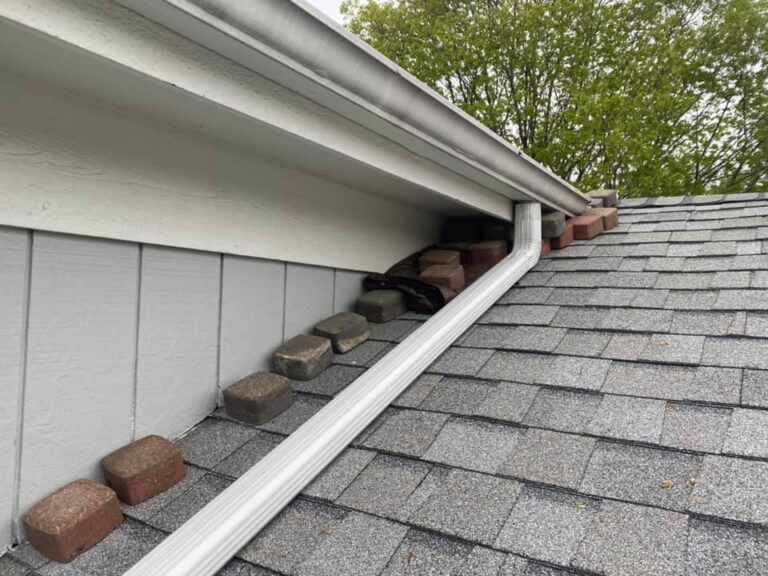
We seal the opening the raccoons used and the weak spots around it, using galvanized steel screening and materials built to stand up to a raccoon's strength. Our lifetime guarantee covers all workmanship and materials on the exclusion work in your quote. Parts of the house we didn't seal aren't covered.
Ready for a property-specific plan?
Tell us what you're hearing and where. We'll inspect the attic, roof and chimney, find the den and any kits, and set out the removal, sealing and cleanup in a written quote.
Raccoons move through the GTA along its green spaces. Toronto's ravine system runs more than 300 kilometres and covers about 17 per cent of the city's land, according to the City of Toronto's Ravine Strategy report. As our Toronto team puts it in its post on baby boxes, ravines, parks and green spaces act as corridors that bring animals right into residential streets, from East York to Scarborough.
Beyond the city, Rouge National Urban Park spans parts of Toronto, Markham and Pickering, and the Oak Ridges Moraine stretches 160 kilometres across the region's northern edge. Out west, Burlington backs onto the Niagara Escarpment at Mount Nemo, one of Conservation Halton's parks. Homes near any of them sit close to the woods and valleys raccoons already use.
Raccoons in Durham are a year-round concern too. In Oshawa, they ride out the cold months in attics, wall cavities and chimneys without proper caps, and females start looking for den sites as early as February, as General Manager Tisha Hicks explains in her post on raccoons in winter.
Our GTA team knows these houses. Tisha Hicks has led the Toronto and Durham Region locations since 2017 and writes many of our local raccoon posts, and Field Supervisor Colin Sears, a graduate of Fleming College's Fish & Wildlife program, trains and mentors our new technicians. Whether your home is a Riverdale semi, a Mississauga two-storey or a newer house in Whitby, we follow the same steps: find the den, check for kits and seal every way in.
Frequently asked questions about raccoon removal
Have a question about raccoons at your home? Here are the ones we hear most.
How much does raccoon removal cost in the GTA?
The cost depends on where the raccoons are denning, whether kits are present, how many openings need sealing and how much cleanup the space needs. A chimney den is a different job from a family spread across an attic. We inspect first and leave an itemized written quote on site before any work begins.
Can you remove raccoons the same day I call?
Same-day service is often available, and many customers mention our quick response in their reviews. It isn't guaranteed, because availability depends on crew scheduling and the time of year. If a raccoon has come into your kitchen or living space, tell the office right away. Those calls get priority, the same as with our Ottawa team.
How do you get rid of raccoons humanely?
We find the den and check for kits first. A one-way door over the entry, where appropriate, lets the adult leave but not return. Kits are lifted out by hand and placed in a heated reunion box for their mother to collect. Then we seal the opening with steel. We don't use poison or smoke.
Which areas do you serve?
Skedaddle removes raccoons across the GTA: Toronto, North York and Scarborough; Oshawa, Whitby, Ajax and Pickering in Durham Region; Markham and Newmarket in York Region; Mississauga in Peel Region; and Oakville and Burlington in Halton Region. Call (289) 801-0601 with your address and we'll confirm service.
What does the guarantee cover?
Our lifetime guarantee covers all workmanship and materials on the entry points we seal as part of your raccoon job. If one of those sealed points fails, we come back and repair it. The guarantee applies to the exclusion work in your quote, not to parts of the house we didn't seal.
Is cleanup or restoration included?
Cleanup is assessed during the inspection and written into your quote when the space needs it. That can include removing droppings, latrine material and nesting debris, decontaminating the area and replacing insulation the raccoons soiled or crushed. We don't assume every attic needs all of its insulation replaced.
What happens if a raccoon has young in the home?
We plan the job around them. Kits can't walk out through a one-way door, so we find the litter, lift them out by hand and set them in a heated reunion box beside the entry. Their mother usually returns and carries them to another den. We can't promise every family reunites, but we plan for it.
Are raccoon droppings dangerous?
They can be. Raccoon droppings can carry raccoon roundworm, which the City of Toronto notes can cause a severe brain infection, although cases are very rare. Raccoons also use the same spot as a latrine, so droppings build up in one place. We remove the latrine and soiled insulation and decontaminate the area as part of the cleanup.
GTA Wildlife Resources & Guides
Raccoons
What To Do If A Raccoon Bites You?
Although all animal bites are potentially dangerous, getting bitten by a raccoon can be life-threatening. Even if the bite looks small and insignificant, you…
The do-it-yourself mentality is prevalent in residential areas, with many homeowners feeling household tasks and maintenance are cheaper when self-performed. While DIY thinking is…
Skedaddle has been removing wildlife humanely since 1989. We plan every GTA raccoon job around the den and any kits, and we back our sealing work with a lifetime guarantee on all workmanship and materials. We'll inspect your home, get the family out humanely, seal the way in and clean up wherever the inspection shows it's needed.