




Wasp and hornet control
Wasp and hornet nests built under soffits, in sheds and wall voids, or in the ground near paths.
Wasp and hornet control in the GTA →Skedaddle GTA — humane wildlife removal for Oakville homes from Bronte Village to Iroquois Ridge, Halton Region.
No traps. No poison. Permanent exclusion.
When raccoons, squirrels, mice or skunks move in, Oakville homeowners in Halton Region call Skedaddle Humane Wildlife Control. We cover the whole town, from the Lake Ontario shoreline up past Dundas Street and from Bronte Creek across to Winston Churchill Boulevard. Each visit begins with an inspection, followed by a removal method suited to the animal, hand retrieval of dependent young and a durable seal on every opening. For the winter, our Oakville crews are capping chimneys and closing rooflines ahead of raccoon mating, and keeping mice out of basements, walls and garages.
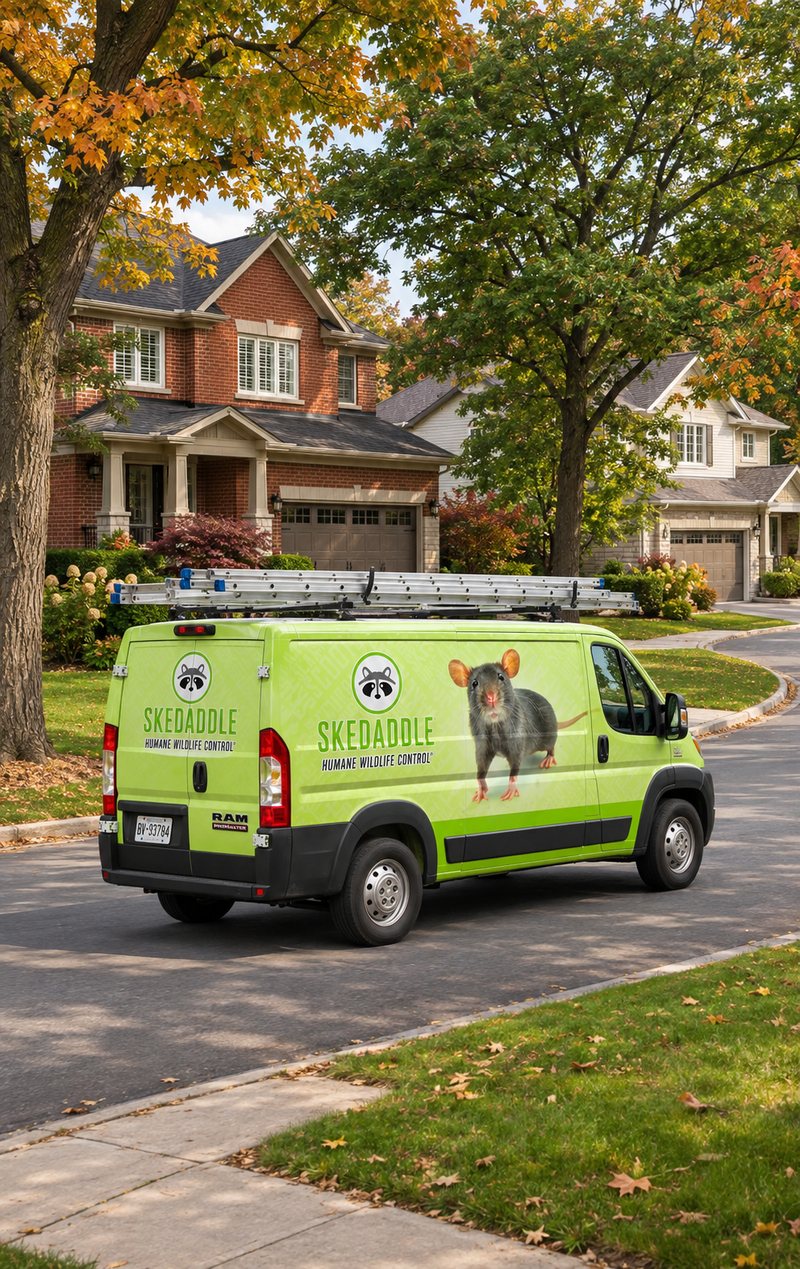
Oakville is a green town, and that greenery brings wildlife right up to the eavestrough. When homeowners call us, they're usually hoping for three things: an animal removed without harm, a house closed up so it stays that way, and a price they can see before agreeing. This is how we deliver on each.
Sixteen Mile Creek cuts through the heart of Oakville, and more than 200 kilometres of Town trails link every community, winding through ravines such as Morrison Valley and Iroquois Shoreline Woods, one of the biggest woodlots in town. On the western edge, by the Burlington border, lies Bronte Creek Provincial Park. For raccoons, skunks and squirrels, all that green space makes an easy path into backyards. Over the past 12 months, our GTA crews completed more than 540 wildlife and pest jobs in Oakville.
Every technician we send is trained on written protocols for roof safety, attic entry and exclusion for each species, and SPCAs and Humane Societies approve the humane methods they use. We work within Ontario's rules on wild animals damaging property, which include releasing live-captured animals within one kilometre. Locally, the Humane Society of Oakville, Milton & Halton looks after sick, injured or orphaned wildlife, and for animals living inside a home, it refers residents to a humane wildlife control company.
Removal clears out today's animal, but it's the seal that keeps the next one out. Every opening we close carries a lifetime guarantee on all workmanship and materials, and if one of our seals ever fails, we come back and fix it without charge. That's also why we document every gap during the inspection, from chimney flashing down to the foundation sill, before writing the quote. The guarantee covers older homes in Old Oakville and Kerr Village just as it covers newer subdivisions near Dundas Street.

Business Development Manager
Brandon has been with Skedaddle since 2002 and has helped the company expand across Canada and into the United States. He grew up in St. George, Ontario, and graduated from Sir Sandford Fleming College in 1999. His knowledge of construction, plumbing and heating, plus training in attic restoration, insulation and Ontario energy audits, helps on large residential and commercial projects. Off the job, he enjoys time outdoors with his two young boys.

Supervisor
Keith graduated from Northern College as a Veterinary Technician in 2002 and as a Veterinary Wildlife Technologist in 2006. He worked at the Temiskaming Wildlife Centre, the Shepreth Wildlife Sanctuary and the Muskoka Wildlife Centre before joining Skedaddle in 2011. He shares Skedaddle's goal of helping wildlife and people live in harmony, and of giving the public the education needed to make that happen.

Wildlife Specialist
Dillon holds diplomas in Fish and Wildlife Technology and in Forestry from Sir Sandford Fleming College. He loves being outdoors and working with animals, which makes his role as a wildlife technician a natural fit. Away from work, he is an avid angler and spends as much time as he can with friends and family.

Wildlife Technician
Ben was born in Newfoundland and grew up in Ontario. He graduated from the Fish and Wildlife program at Fleming College before joining Skedaddle Humane Wildlife Control. He loves spending time outdoors and regularly goes canoeing and camping.

Assistant Manager
Joseph graduated from Fleming College's Fish and Wildlife Technician program in 2014 and then gained construction experience on roofing, framing and decorative concrete projects. He combines that background with his wildlife training to keep clients' homes sealed. Memorable calls include removing coyote pups by hand from under a client's shed and rescuing an adult skunk from a window well without being sprayed. Off the job, he enjoys fishing, keeping reptiles and playing paintball.

Wildlife Specialist
James spent most of his life in the United Kingdom, working in education and IT before moving into humane wildlife control. He is passionate about giving homeowners peace of mind with their wildlife problems. In his own time, he plays soccer with his son and daughter and follows London's Arsenal F.C.

Wildlife Technician
Brad joined Skedaddle in 2018 after more than eight years in restaurants, where he learned teamwork, communication and customer service. He also has a background in carpentry, welding and automotive work. His favourite part of the job is reuniting mother raccoons with their babies, and one of his most memorable calls was removing a mother fox and six pups from under a shed.

Director of Technical Operations
Corey began at Skedaddle as a technician in 1999 and now heads the company's technical operations. A Sir Sandford Fleming College graduate in Fish and Wildlife Technology, he has served on the Board of Environment Hamilton and as a natural environment advisor to the Region of Niagara's Water Quality Protection Strategy. His awards include the Dr. Victor Cecilioni Environmentalist of the Year Award in 2001 and the National Wildlife Technician of the Year Award for 2001/2002. He is also a member of the Hamilton Naturalists' Club and the Ontario Field Ornithologists.

Pest Technician Supervisor
Before Skedaddle, Clayton worked for over a decade as a produce and store manager at a national grocery chain. He made the move for a fresh challenge and a job that keeps him outside. Helping homeowners and businesses sort out their pest problems, and explaining what's going on, is the part he enjoys most. Family time and fishing on the lake fill his days off.
In this short clip, filmed on a Hamilton building, a Skedaddle technician shows how a raccoon climbed the wall and got into the attic through a gap at the top of a window, with staining that marks its route. It is the kind of opening we check for on Oakville homes too.

Oakville's top four wildlife jobs are raccoons, squirrels, mice and skunks. Big trees overhang rooflines, creek valleys lead wildlife deep into residential streets, and decks and sheds offer skunks a dry den. Below, each card covers how the animal gets in and how we remove it humanely, and the Oakville seasonal chart further down explains timing.
Raccoons account for more of our Oakville wildlife work than any other animal. They settle into attics, chimneys and roof voids, and because a mother may have kits with her, we search for young before sealing anything. The chimney cap, roof vent or soffit corner it used is then rebuilt with materials a raccoon can't rip through. Feeding raccoons is prohibited by the Town under its Lot Maintenance and Parks By-laws.
With no hibernation to slow them down, grey squirrels can show up in an Oakville attic in any month, and the one overhead may well be a female preparing a nest for her litter. We locate her entry at a soffit, gable vent or roof edge, look for babies and close the gap with heavy-gauge material that won't give way to chewing.
Mice generate more Oakville calls than any other animal, and house mice keep breeding all year once they're indoors. The Town's wildlife guidance asks residents to seal holes around doors, windows and roofs and to shut garage and shed doors at night. We take that further, tracking every gap along the sill plate, utility lines and garage, closing each one and then cleaning up droppings and nests.
Decks, porches and sheds are classic skunk dens in Oakville, and a female may use the same spot to raise her young. Once we've confirmed nobody is home, we bury a screen barrier along the base of the structure. It's a permanent version of the Town's advice to fill holes under stairs and place gravel around the base of buildings so animals can't dig.
We also remove bats, birds and rats in Oakville. Bat removal is timed to the Ontario MNR guidance, beginning with a check for bats roosting inside. A bat found near Queen Mary Drive and Bond Street in February 2025 later tested positive for rabies, Halton Region Public Health confirmed. Bird removal is mostly starlings and sparrows nesting in dryer, stove and bathroom vents, which we clear and screen. Rat removal focuses on the foundation, because Halton Region points out that a rat can squeeze through a hole the size of a quarter.
Different sounds usually mean different animals: light scratching around sunrise, heavy footsteps overhead at night, or a tiny squeak from a wall cavity. We'll inspect your Oakville home to find out what's there and how it's getting in, then give you a written plan before work starts.
Our crews cover all of Oakville in Halton Region, from the lakeshore north past Dundas Street and from Bronte Creek across to Winston Churchill Boulevard. We've used the community and ward names from the Town of Oakville's own descriptions for the list below. When you book, we'll confirm coverage for your address, and if your neighbourhood isn't here, call us and we'll check.
An Oakville inspection takes in your whole property, inside and outside, and you finish with a plan and price in writing. Your technician identifies the animal, finds every entry point between the roof peak and the foundation, and explains the work in advance. It goes like this:
Restoration is quoted alongside the exclusion on one written estimate, so nothing about the job is hidden before you approve it. Book your inspection by calling (905) 858-3379 or booking online.
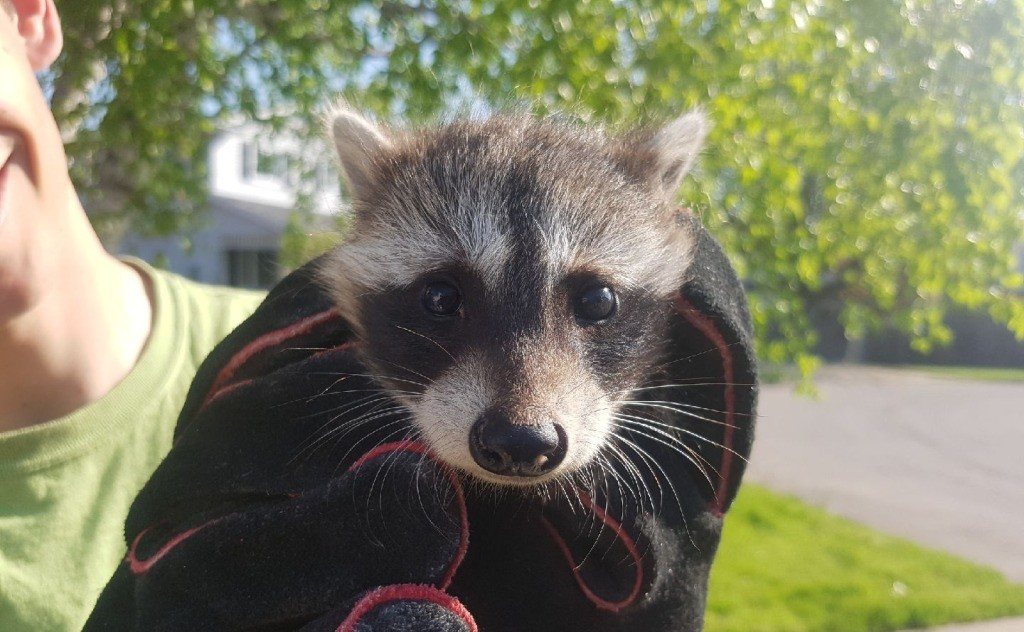

Your Oakville home gets a thorough inspection so we can confirm the animal, find its route inside and see which areas of the attic, walls or crawl spaces it's using. We then settle on a humane removal method suited to the species and the timing, after first checking for dependent young. One-way devices are used only when they suit the situation, not as standard practice.
Learn more
Once the animals have gone, we look at the contamination and work out the cleanup scope with you. Depending on the home, that can include removing droppings, nesting and soiled insulation, decontaminating the space and restoring damaged attic insulation. Many homes need only a targeted cleanup, so we quote just what yours requires.
Learn more
With the animals confirmed gone, we seal every confirmed and potential entry point using durable, species-specific materials such as chimney caps, roof-vent screens and foundation barriers. This exclusion work is backed by a lifetime guarantee on all workmanship and materials.
Learn moreOn the Lake Ontario shore in Halton Region, Oakville gets cold, snowy winters and warm summers. Here's how local wildlife behaves through the year and how we organize our work around it. The chart shows planning priorities, not call totals.
| Season | Wildlife focus | Our service focus |
|---|---|---|
| Winter (December–February) |
Raccoons denned in attics and chimneys as mating begins; grey squirrels mating and building attic nests; mice living indoors; skunks holed up under decks and sheds; some big brown bats hibernating in buildings | Fit chimney caps and seal rooflines ahead of raccoon kits; find and close mouse entry; close off deck and shed openings before skunk breeding; check no bats remain before any complete seal |
| Spring (March–May) |
Raccoon kits and young squirrels in chimneys and attics; skunks raising young under decks and sheds; birds nesting in vents; bats moving back into roosts | Hand-retrieve young and let mothers relocate them; screen vents; bat exclusion April to early May, using one-way doors where appropriate; seal dens when they're empty |
| Summer (June–August) |
Bats raising pups from mid-May to mid-August; second litters for squirrels; young raccoons and skunks exploring | Hold bat exclusion until pups can fly; barriers under decks and sheds; roofline repair |
Quarterly focus: Winter (December 2026–February 2027)
This winter in Oakville, our main jobs are getting chimneys and rooflines sealed before raccoons mate and squirrels have their first February litters, and keeping mice out of basements, walls and garages. That covers fitting chimney caps, sealing soffits and gable vents, following mouse entry to foundations and utility lines, and closing the space under decks ahead of skunk breeding. Each roof void is checked for bats before it's sealed, because the Ontario MNR bat exclusion guide says entrances should not be sealed completely while bats are still inside.
A raccoon in a Bronte chimney and mice in a Glen Abbey garage call for different tactics, yet the same four commitments sit behind both, and behind every Oakville job. The animal sets the method; these standards stay put.
We only settle on a method after the inspection. Based on the animal and the opening, the plan might include one-way exclusion doors where appropriate, hand retrieval of young, species-specific exclusion hardware on vents and chimneys, or a schedule built around a maternity window. Bats are the clearest case, because provincial timing guidance sets when their exclusion can go ahead.
Oakville's squirrels, raccoons and skunks regularly raise their families in the exact spot a homeowner wants closed. When there are babies, we lift them out and place them in a heated reunion box next to the entry, so the mother can carry them to a different den herself. We close the opening only when the whole family has left. Nothing ends up trapped, and the mother has no reason to chew a new hole to get back in.
Raccoons, squirrels and mice all leave droppings, urine and torn insulation, and months of activity can pack insulation down across a large share of the attic. We remove the contaminated material, decontaminate the area and restore insulation where it's damaged, so the attic can hold heat again. The scope is set out on your quote before work begins.
Ontario requires wildlife we remove to be released within a kilometre of your home, so it's the seal, not distance, that keeps it out. We close each entry point with durable materials suited to the animal, from heavy-gauge vent screening to barriers buried under decks. A lifetime guarantee on all workmanship and materials covers that work, and we return to repair any sealed opening that fails.
OAKVILLE · PEST CONTROL
Oakville's pest calls are handled by the same GTA team that deals with wildlife, using eco-friendly products and sealing the cracks and gaps insects use to get in. Restaurants, offices, storefronts and property managers around town can get a commercial pest control plan designed around their busiest spaces. For homes, our Four Seasons Pest Control program provides ongoing protection with four visits a year, each targeting that season's pests. We treat:
Wasp and hornet nests built under soffits, in sheds and wall voids, or in the ground near paths.
Wasp and hornet control in the GTA →
Carpenter ants damaging damp wood and window frames, and pavement ants heading indoors from the yard.
Ant control in the GTA →
Spiders spinning webs in basements, garages and window wells where their insect prey gathers.
Spider control in the GTA →
Yard treatments that tackle standing water and shady breeding areas near decks and gardens.
Mosquito control in the GTA →
Cockroaches in kitchens and bathrooms, or moving through shared walls in townhomes, condos and rentals.
Cockroach control in the GTA →
Bites after sleeping, spots on the mattress, or activity that begins after travel or a used-furniture purchase.
Bed bug control in the GTA →
We don't charge a flat rate for wildlife removal in Oakville, because the species, the number of entry points, the sealing materials and any cleanup or insulation work all affect the price. After the inspection, you get an itemized written quote on site, so the full scope and cost are clear before you make a decision.
Same-day appointments do happen, but they can't be promised. Urgent cases are handled first, such as a raccoon that has come through the ceiling into a room or a bat flying through the house. Other calls go into the next available inspection, which is still the fastest path to a sealed home. Call (905) 858-3379 to see what's open today.
Book a bat inspection whenever it's convenient; the exclusion date depends on whether bats are still roosting in your home. We follow the Ontario MNR bat exclusion guide, which sets out when a building can be completely sealed and rules out exclusion while flightless pups are in the roost. Once we know whether there's a roost, the exclusion is scheduled for the next window the guide allows, and the Oakville seasonal chart on this page shows when those windows typically are.
We cover Oakville from Old Oakville, Kerr Village and Bronte along the lake, through Glen Abbey, College Park, River Oaks and Iroquois Ridge in the centre, up to Palermo, Joshua's Meadows and Glenorchy north of Dundas Street. Oakville is in Halton Region, and the same GTA team serves Burlington as well. Send us your address and we'll confirm you're covered.
Each Oakville job is carried out under Ontario's wildlife rules. The Fish and Wildlife Conservation Act controls how wildlife may be handled, and provincial rules require live-captured animals to be released within one kilometre of the capture point. Our bat exclusions follow the MNR guide's timing, and SPCAs and Humane Societies approve our humane methods. The Humane Society of Oakville, Milton & Halton cares for sick, injured or orphaned wildlife and refers residents to humane wildlife control companies.
Raccoons are the largest part of our wildlife work in Oakville homes, followed by squirrels, mice and skunks, while mice are the single most common call. Raccoons den in attics and chimneys, squirrels nest in soffits and roof voids, mice get in through gaps at foundations and utility lines, and skunks dig under decks, porches and sheds. We also handle bats, birds and rats around Oakville.
Oakville work comes with a lifetime guarantee on all workmanship and materials. If a sealed entry point fails, we return and repair it free of charge. Because the guarantee rests on the seal, the inspection logs every opening on your home, roof peak to foundation, before the quote is prepared.
Once the animals have left, we assess the attic and clean up after them. That may include removing droppings, urine and nesting, decontaminating the area and replacing insulation that's soiled or compressed. Not every attic needs full restoration, so the cleanup appears on the same written quote as the exclusion, before work begins.
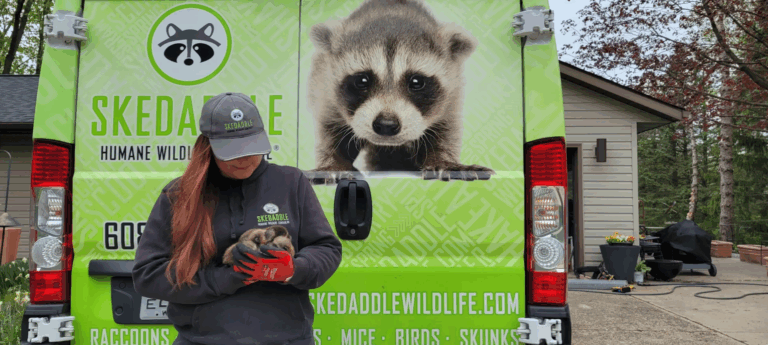
If you’ve noticed unusual noises in your ceiling during a cold Oakville winter, especially near areas like Lakeside Park or the shores of Lake…
Read article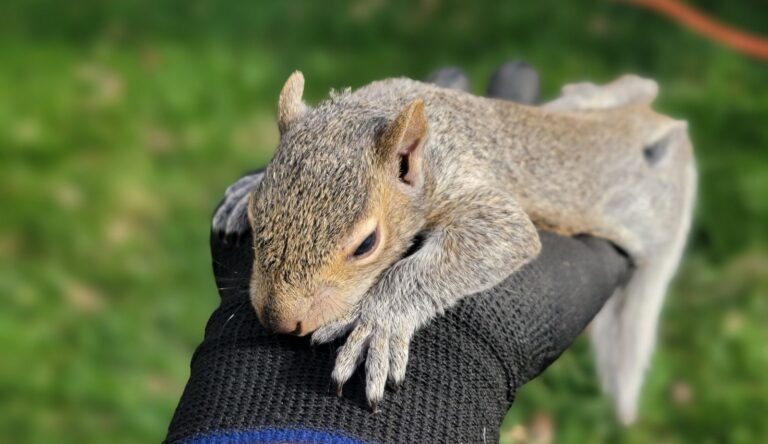
In February 2025, a squirrel caused a power failure at a downtown Toronto transmission station, knocking out electricity for thousands of people across the…
Read article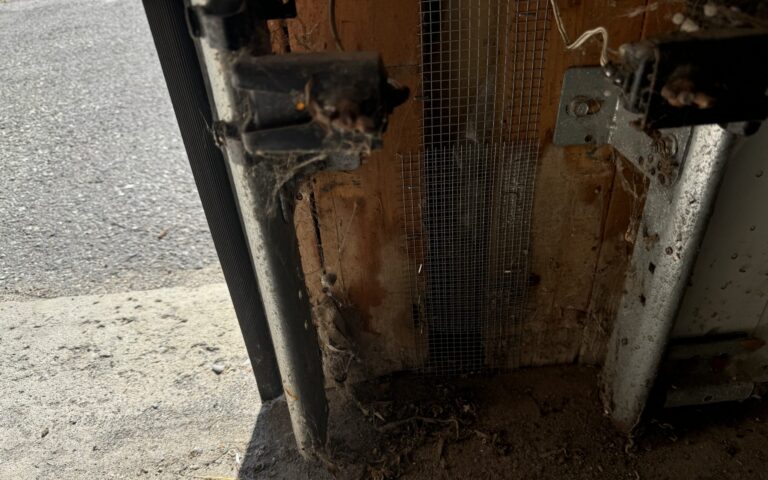
You may think of your attached garage as a separate space, but it can give mice a direct route into your Oakville home. Gaps…
Read article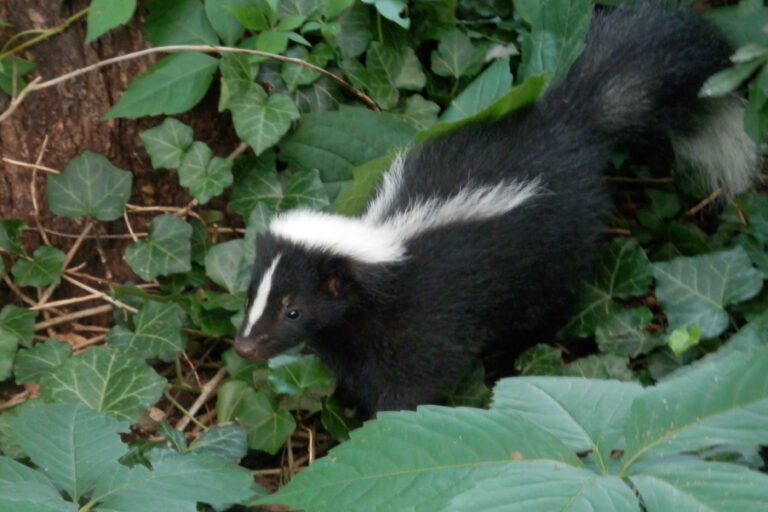
Skunks are one of nature's most recognizable and misunderstood creatures. Their distinctive black and white coloration serves as a warning to potential threats, but…
Read article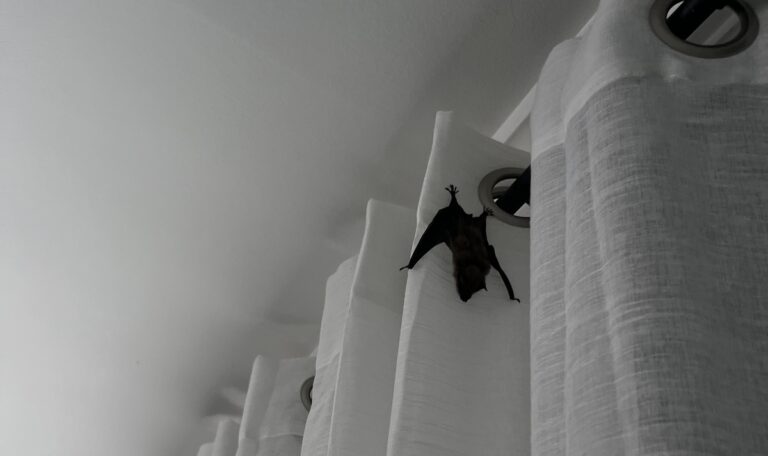
You should keep your distance, keep others away, and contact a professional wildlife removal team if a bat flies into your home. Do not…
Read article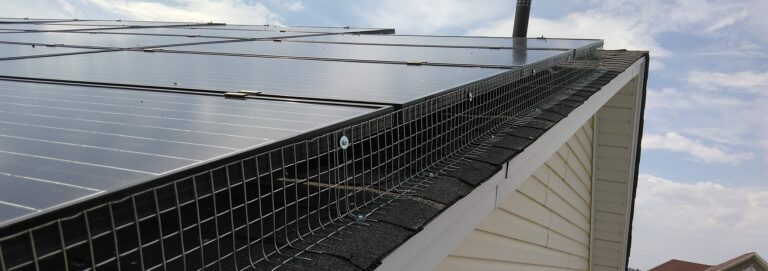
You may notice more activity around your home once winter sets in. As temperatures drop, animals begin searching for warmth, shelter, and quiet places…
Read article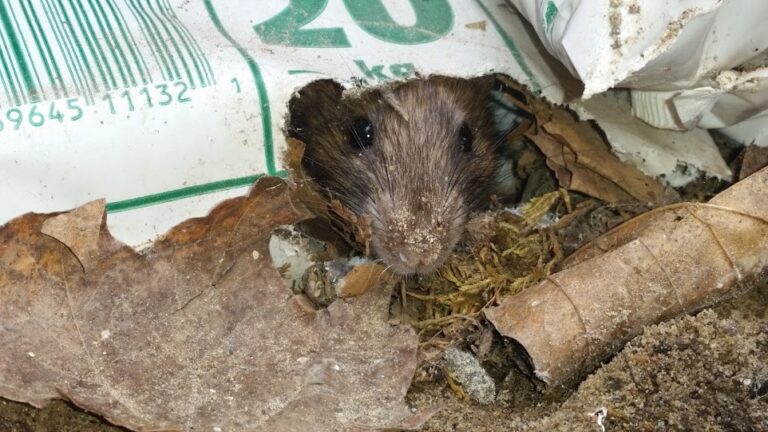
If you live near a local landmark like the Oakville Lighthouse, you know Oakville is a beautiful and inviting community. But unfortunately, our homes…
Read articleWhether it's a raccoon in a Bronte chimney, squirrels in a Glen Abbey soffit or mice along a garage foundation near Sixteen Mile Creek, we start the same way. We identify the animal, use a method suited to it, retrieve young by hand and seal every entry, then decontaminate and restore the attic where needed. SPCAs and Humane Societies approve our humane methods, and every job is covered by a lifetime guarantee on all workmanship and materials.
 menu