





Humane wildlife removal and exclusion for homes and businesses in Hamilton, protecting properties from raccoons, squirrels, skunks, bats, mice, and other urban wildlife.
With more than 30 years of experience in ethical wildlife control and thousands of successful removals throughout Southern Ontario, Skedaddle offers reliable, professional service to Hamilton and surrounding communities, often providing same-day response when possible.
This city’s mix of older neighbourhoods, new residential developments, and abundant green spaces – including forests, parks, and the escarpment – creates prime habitats for urban wildlife.
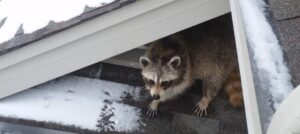
Raccoons often find their way into attics along rooflines and eaves, squirrels gnaw through insulation and garages, and skunks take shelter beneath decks and sheds. Bats, mice, and rats can slip through tiny gaps around vents, rooflines, and foundations, turning quiet spaces into unwelcome nesting areas.
Skedaddle’s team thoroughly inspects every potential entry point, removes wildlife using humane methods, sanitizes and restores affected areas, and secures homes and businesses to prevent future intrusions.
Safe Wildlife Control Solutions for Hamilton Homes and Businesses
Hamilton properties often experience wildlife intrusions from raccoons, squirrels, skunks, bats, and rodents exploiting rooflines and foundation gaps. Skedaddle Humane Wildlife Control delivers humane removal and structural sealing to eliminate access points, ensuring long-term prevention. Our approach prioritizes animal safety while protecting homes and businesses throughout the area.

Ongoing Wildlife Challenges in Residential Areas
Hamilton’s unique mix of urban neighbourhoods, green spaces, and escarpment terrain creates ideal conditions for persistent wildlife activity. As seasons change, animals continually adapt by seeking shelter, food, and nesting sites in and around homes. This leads to recurring challenges for property owners, especially when entry points are not identified and properly secured.
Below are the most common wildlife-related issues homeowners experience:
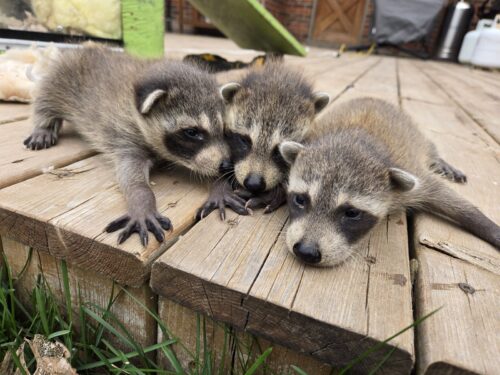
- Raccoons: Repeated attic break-ins, damaged roofing materials, torn insulation, tipped garbage bins, and strong nesting behaviour that can lead to long-term occupancy of homes
- Squirrels: Chewed electrical wiring that increases fire risk, attic and wall nesting, insulation damage, and frequent re-entry through rooflines and soffits
- Bats: Accumulation of guano in attic spaces, strong odours, staining of building materials, and potential exposure to airborne contaminants associated with long-term roosting
- Birds: Nesting in vents, chimneys, and roof eaves, blocked airflow systems, persistent noise disturbances, and corrosive droppings that damage exterior surfaces
- Mice & Rats: Ongoing food contamination risks, rapid reproduction leading to large infestations, gnawed wiring and structural materials, and movement through hidden interior voids
- Skunks: Burrowing under decks, porches, and sheds, persistent odour issues from spray incidents, yard damage from digging, and potential disease concerns
Because these issues are often cyclical—especially during breeding and seasonal sheltering periods—short-term fixes rarely solve the problem completely. Wildlife will often return to familiar structures unless exclusion work is completed thoroughly.
That’s why homeowners rely on Skedaddle Humane Wildlife Control for humane removal and long-term prevention strategies that address both the animals and the entry points they exploit.
Year-Round Wildlife Movement and Habits
Hamilton Summer Wildlife Protection from Escarpment to Urban Neighbourhoods
Hamilton’s mix of urban neighbourhoods, older homes, mature trees and escarpment green space can lead to increased wildlife activity in summer. Raccoons may explore chimneys and roof vents, squirrels can access attics from nearby branches, and skunks may dig under porches, sheds or decks. Birds and bats may use small gaps near soffits or vents, while mice and rats can enter through foundation cracks and garage openings. Homeowners may notice scratching sounds, droppings, nesting materials, damaged insulation or recurring animal activity around the same part of the home.
Skedaddle’s humane wildlife control in Hamilton helps homeowners address these seasonal problems with safe removal, cleaning and prevention. Our technicians inspect the full property, identify active entry points and secure vulnerable areas with lasting exclusion solutions. Summer is a smart time to protect your home before wildlife activity creates damage, odours or ongoing access issues.
Fall Transition: Wildlife Seeking Indoor Access
In the fall, animals begin preparing for the colder months. Raccoons and squirrels intensify their search for warm nesting sites, skunks look for denning spots under decks or sheds, and birds may attempt to roost in attics. Rodents continue to seek food and shelter, sometimes entering homes through small gaps in foundations or siding.
Deep Winter Behaviour: Seeking Warm Structures
Winter brings unique challenges as food sources are scarce. Many animals, including raccoons, squirrels, and bats, seek warmth inside attics, crawl spaces, and garages. Skunks may stay under decks or sheds, and mice and rats often make their way indoors, taking advantage of quiet, undisturbed areas. These intrusions can lead to property damage and potential health risks if not addressed promptly.
Spring Surge: Birth Season and Shelter Searching
Spring is a busy time for wildlife as animals emerge from winter and begin looking for food, water, and shelter. Raccoons and squirrels are especially active, often exploring attics, garages, and sheds for safe places to raise their young. Skunks may begin to dig around yards and under decks, while birds return to nest in eaves and vents. Mice and rats are drawn indoors as they search for warmer nesting spots, and bats become more active as they move between roosting areas and foraging grounds.
During this season, homeowners may notice increased signs of wildlife activity, such as scratching or rustling in attics, gnawed wires, or droppings near entry points. Early intervention is important to prevent damage and reduce the risk of disease transmission.
Trusted Local Experts in Wildlife Removal
Skedaddle Humane Wildlife Control has been serving Hamilton since 1989, growing from a single service vehicle into one of Southern Ontario’s most trusted names in humane wildlife removal and exclusion. With decades of experience in the area, our team understands how the mix of urban neighbourhoods, parks, backyard gardens, and the Niagara Escarpment shapes local wildlife behaviour. That insight allows us to provide solutions that are both effective and compassionate, protecting your property while respecting the animals we manage.
What sets Skedaddle apart is our commitment to going beyond simple removal. Every job begins with a thorough property assessment to identify entry points, determine which species are present, and evaluate the best way to prevent future intrusions. Our skilled technicians use proven, humane methods to safely evict wildlife, sanitize and restore affected areas, and install durable exclusion measures tailored to your home or business. This comprehensive approach ensures that once wildlife is removed, they don’t come back.
We take pride in being a trusted part of this community, serving neighbourhoods such as Ancaster, Dundas, Stoney Creek, Waterdown, and Binbrook. Over the years, we’ve helped thousands of homeowners and businesses solve problems caused by raccoons, squirrels, bats, skunks, and other urban wildlife. Our local knowledge means we can anticipate seasonal wildlife behaviours, address urgent situations quickly, and provide long-term solutions that keep your property safe year-round.
Choosing Skedaddle means partnering with a team that values both your home and the well-being of the animals we handle. From our initial consultation to the final exclusion and cleanup, we focus on safety, efficiency, and peace of mind. With our proven track record and dedication to humane wildlife control, you can trust that your home or business is in capable hands, and that you’re helping protect the wildlife that shares our city.
Our Safe and Humane Removal Method Explained
At Skedaddle, we follow a thoughtful, proven process to ethically remove wildlife from your property and prevent their return, restoring peace of mind to your home or business. Our method isn’t about setting traps and hoping for results; it’s about understanding the unique situation at your property and applying hands‑on techniques that respect both your space and the animals.
In‑Depth Property Assessment
Every successful wildlife removal starts with a complete assessment of your home or building. When our trained technicians arrive, they perform a detailed 35 to 50‑point inspection of your exterior and interior, including difficult‑to‑reach spots like attics, rooflines, foundation areas, vents, and crawlspaces.
This step helps us identify the species involved, locate all entry points, evaluate any damage or contamination, and understand how wildlife are moving through your property. You’ll receive a clear explanation of our findings and a customized plan for removal and prevention.
Humane Removal Techniques
Instead of simply placing traps and waiting, Skedaddle uses hands‑on removal methods that are humane, efficient, and tailored to the behaviour of the wildlife present. We consider factors like the species involved and the time of year, especially during spring and summer when animals may be raising young.
Our team works carefully to remove animals with as little stress as possible, keeping families together when appropriate and minimizing harm while ensuring the problem is fully resolved. These methods are endorsed by local humane societies and reflect more than three decades of experience in ethical wildlife control.
Cleaning and Restoration
Wildlife intrusions can leave behind more than noise and damage; they often contaminate insulation, leave droppings, and create unsafe conditions in attics and crawlspaces. After removal, Skedaddle technicians thoroughly clean and sanitize affected areas to eliminate health risks and address damage caused by animal activity. Where necessary, we provide restoration services such as insulation replacement to return your space to a safe, healthy condition.
Prevention and Exclusion
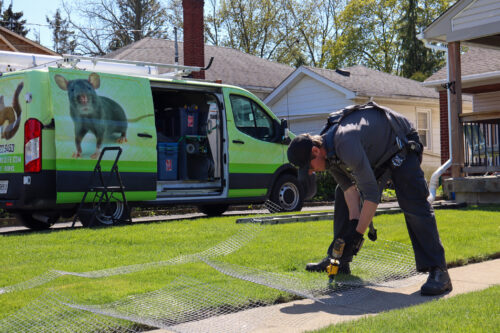
The final and most crucial step is preventing wildlife from ever returning. Our team identifies all current and potential entry points and secures them using industrial‑grade exclusion materials that are resistant to chewing, clawing, and weathering.
We reinforce vulnerable areas around rooflines, vents, foundations, and eaves so that once wildlife has been removed, they stay out. Because long‑term protection matters, our workmanship and materials are backed by a lifetime warranty, giving you lasting peace of mind.
By combining a detailed assessment with humane removal, thorough cleanup, and fortified prevention, Skedaddle offers a comprehensive process that addresses your wildlife issues from start to finish. Whether you’re dealing with raccoons in the attic, skunks under the deck, or bats in the chimney, our team works efficiently and compassionately to resolve the problem for good.

Health Hazards Linked to Wildlife Intrusions
Wildlife living in and around homes can create a variety of health and safety concerns. In this city, where urban neighbourhoods meet abundant green spaces, it’s not uncommon for animals like raccoons, squirrels, bats, skunks, and rodents to find their way indoors.
Understanding these risks can help homeowners take action before small problems turn into expensive or dangerous situations.
Unpleasant Odours: Animals that take up residence in attics, crawlspaces, or under decks often leave behind urine, feces, and other organic matter. Over time, these materials can create strong, lingering odours that are difficult to remove and may seep into living spaces. Skunks, in particular, can leave a pungent smell if they feel threatened or have been living near your home.
Property Damage: Wildlife can cause significant damage to homes and landscaping. Raccoons and squirrels may tear insulation, chew wiring, or break into vents, while rodents gnaw on wood and plastic, potentially compromising structural integrity. Skunks and other burrowing animals can disrupt soil around decks, patios, and gardens, leading to costly repairs.
Health Risks: Wildlife droppings, urine, and nesting materials can carry bacteria, parasites, and viruses that pose health risks to humans and pets. Exposure to raccoon roundworm, hantavirus from rodents, and histoplasmosis from bat droppings are just a few examples of potential dangers that make timely removal and cleanup essential.
Fire Hazards: Rodents and squirrels often chew electrical wiring in attics, basements, or garages, which can increase the risk of electrical shorts and even house fires. Damaged insulation or debris left by nesting animals can further contribute to fire hazards if left unaddressed.
Noise and Disturbance: Animals living inside walls, attics, or crawlspaces can create constant noise, scratching, and movement that disturb daily life. Bats and birds, in particular, can be noisy during their active hours, and nocturnal creatures like raccoons may disrupt sleep with rummaging in garbage or attics at night.
Wildlife issues aren’t just inconvenient; they can pose real health and safety risks for your family and property. If you notice signs of wildlife activity, it’s important to contact Skedaddle Humane Wildlife Control. Our team handles removals humanely while addressing the risks associated with odours, property damage, and contamination, helping to keep your home safe and secure.
Long-Term Protection for Your Home and Property
Wildlife can be fascinating to watch, but when animals move into your attic, crawlspace, or yard, they quickly become more than just a curiosity. From property damage to health risks and persistent odours, unchecked wildlife can disrupt your daily life and create ongoing problems for your home or business. With the mix of urban neighbourhoods, green spaces, and growing residential areas, it’s important to act quickly when you notice signs of raccoons, squirrels, bats, skunks, or rodents.
Skedaddle offers a trusted, humane solution for every wildlife issue. Our experienced team carefully removes animals, restores affected areas, and seals entry points to prevent them from returning. Don’t wait until a small problem turns into a big one. Contact Skedaddle Humane Wildlife Control today and protect your property with expert care and compassion.
Hamilton Insights
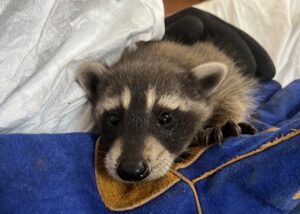
Should You Approach A Raccoon In Distress?
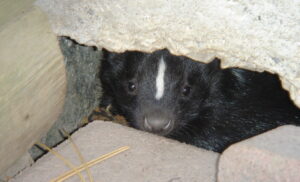
Do Skunks Return to the Same Yard Year After Year?